Moving to Miami, Florida requires practical preparation grounded in the city’s real-life demands. This isn’t about tropical postcards or tourist spots—it’s about understanding daily living, money matters, housing, work, and the environment. If you’re thinking about living in Miami Florida, knowing what to expect can help you settle in smoothly. This guide covers key points including Miami cost of living, housing, jobs, transportation, lifestyle, weather, paperwork, and common challenges for newcomers.
Why People Move to Miami
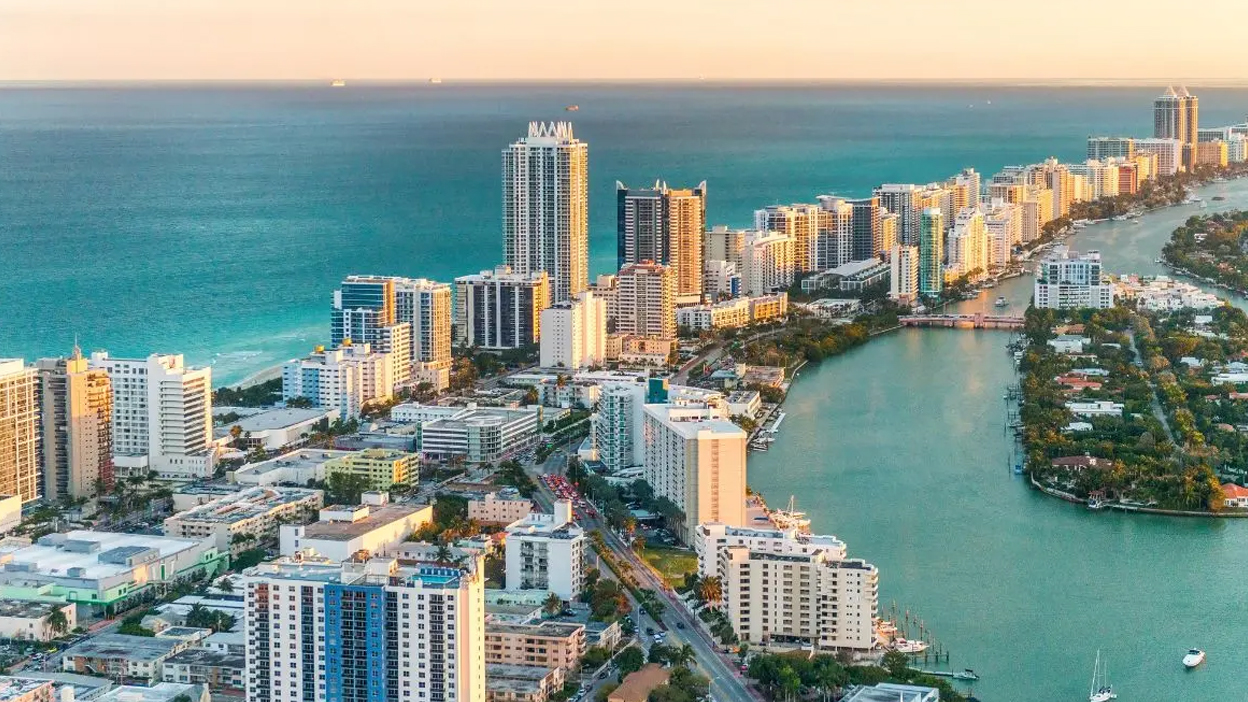
Many people move to Miami for practical reasons beyond the sunny beaches. The city offers jobs across different fields such as healthcare, finance, and tourism. Living near the coast gives easy access to water activities and a warm climate year-round, making it appealing for those who enjoy outdoor life. Miami also benefits from no state income tax, which can help residents keep more of what they earn. Family ties and cultural communities add to the draw, with people often relocating to be closer to relatives or groups that share their background.
When thinking about moving, keep in mind these are real-life reasons—jobs, climate, and community—not just vacation perks. Miami is one of several Florida coastal cities that attract residents for these sensible factors.
How the Cost of Living Affects Daily Life
One of the biggest things to know before moving to Miami, Florida is how the cost of living affects everyday spending. Housing takes up the largest part of most budgets here. Compared to other expenses, paying for a place to live is noticeably higher, which often forces people to balance size and location carefully.
You might decide between a small apartment close to work or the beach or a larger home farther out that costs less but means longer drives. Groceries and utilities run somewhat above what you might expect elsewhere, while healthcare is often a bit more affordable. Transportation and entertainment expenses also lean toward being more expensive than average.
These realities shape how people manage their money day to day, requiring thoughtful budgeting and smart choices on where to shop, live, and spend spare time.
Housing and Neighborhoods Newcomers Should Understand
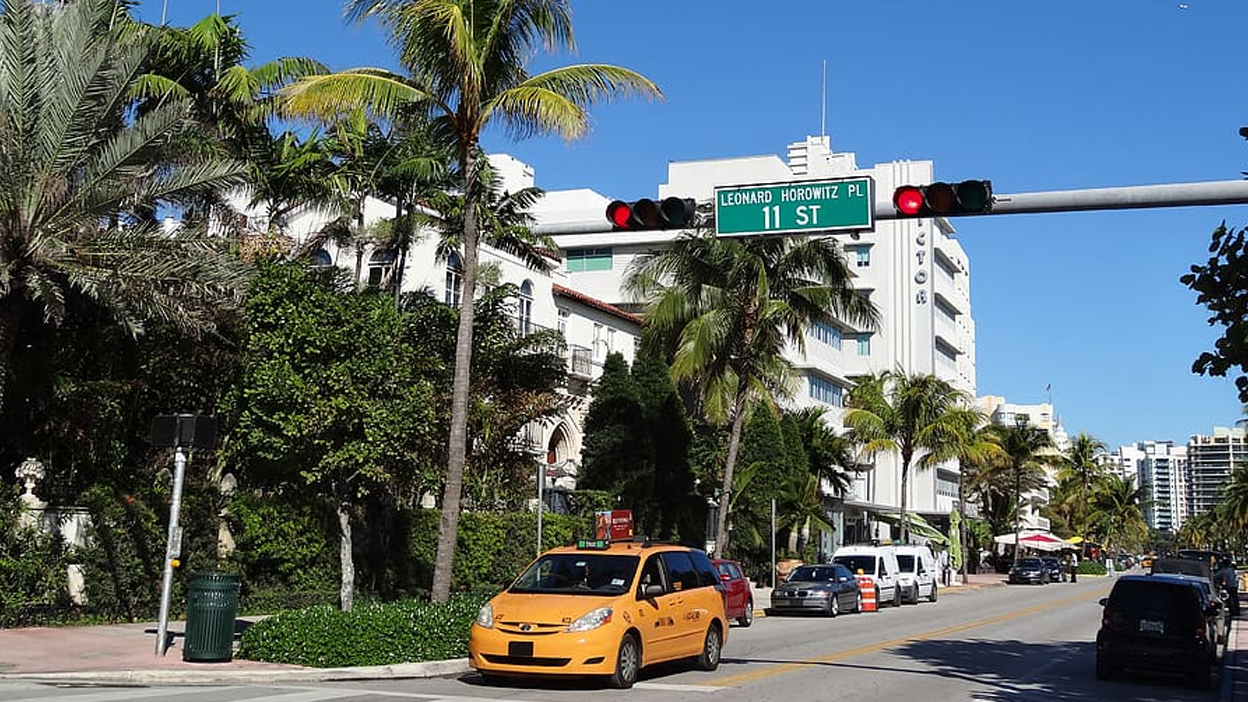
Housing in Miami varies widely depending on neighborhood and lifestyle preferences. Downtown and coastal areas cost more but offer walkability and quick beach access. Inland or suburban neighborhoods tend to be more affordable but come with longer commutes and fewer urban conveniences.
The city’s layout means that your choice of neighborhood often boils down to trading housing costs against commute time and lifestyle. If being near the water or work matters most, expect to pay a premium. On the other hand, picking less expensive neighborhoods typically means more time in your car each day.
Paperwork and Setup Tasks After Moving
Once you arrive, several practical tasks need attention to set up your life in Miami. Updating your driver’s license or state ID to Florida is important. If you bring a vehicle, you’ll have to register it with the state.
Setting up utilities—electric, water, gas, and internet—is essential for daily comfort and work. You should also update your address with banks, insurance agents, subscription services, and any government entities. Families will need to register children in local schools. Transferring healthcare providers and medical records is equally necessary to maintain ongoing care.
These administrative steps don’t happen overnight but are crucial for establishing a smooth, functional routine. Staying organized with this paperwork can reduce stress during your first months.
Common Challenges New Residents Face
Newcomers often find housing affordability to be the biggest challenge. The consistently high housing costs mean many have to compromise on size, location, or commute. Adjusting to the overall Miami cost of living, which affects groceries, transportation, and utilities as well, requires careful budgeting.
Lifestyle changes are also significant—living with year-round heat and a fast-paced social scene takes getting used to. The city’s diverse and transient population sometimes makes it harder to build close social connections quickly.
Many people also face the adjustment of relying on a car for most trips, something that might differ from previous city living experiences. These challenges aren’t insurmountable but call for clear expectations and flexibility.
Preparation and patience help turn these hurdles into manageable parts of daily life.
Conclusion
The main things to know before moving to Miami, Florida revolve around clear-eyed preparation. The Miami cost of living and housing market demand careful budgeting and neighborhood choices. Securing steady employment and understanding work culture is necessary given local expenses.
The climate requires adjustment to heat and hurricane risks, while the lifestyle suits those who enjoy active, outdoor, and diverse social settings. Handling practical paperwork right after moving gets daily life running smoothly.
Taking time to weigh these factors honestly helps anyone planning to live in Miami Florida make an informed decision, avoiding surprises and easing their transition. Success in Miami depends on matching the city’s real demands with your personal financial, career, and lifestyle needs.