South Dakota is one of the plains states in the Upper Midwest, distinguished by expansive open landscapes that define much of its geography, climate, economy, and settlement patterns. This article provides a comprehensive and factual overview of key statewide realities for anyone considering moving to South Dakota. Understanding these factors early in the research and planning process is essential to making an informed relocation decision.
South Dakota’s identity as a plains state influences everything from its regional geography and climates to economic activities and lifestyle structure. This guide addresses the main statewide characteristics, highlighting practical information about environment, infrastructure, costs, and regulations. It is designed to help potential movers grasp the broader context before narrowing down specific cities or communities.
Geographic and Regional Differences Within South Dakota
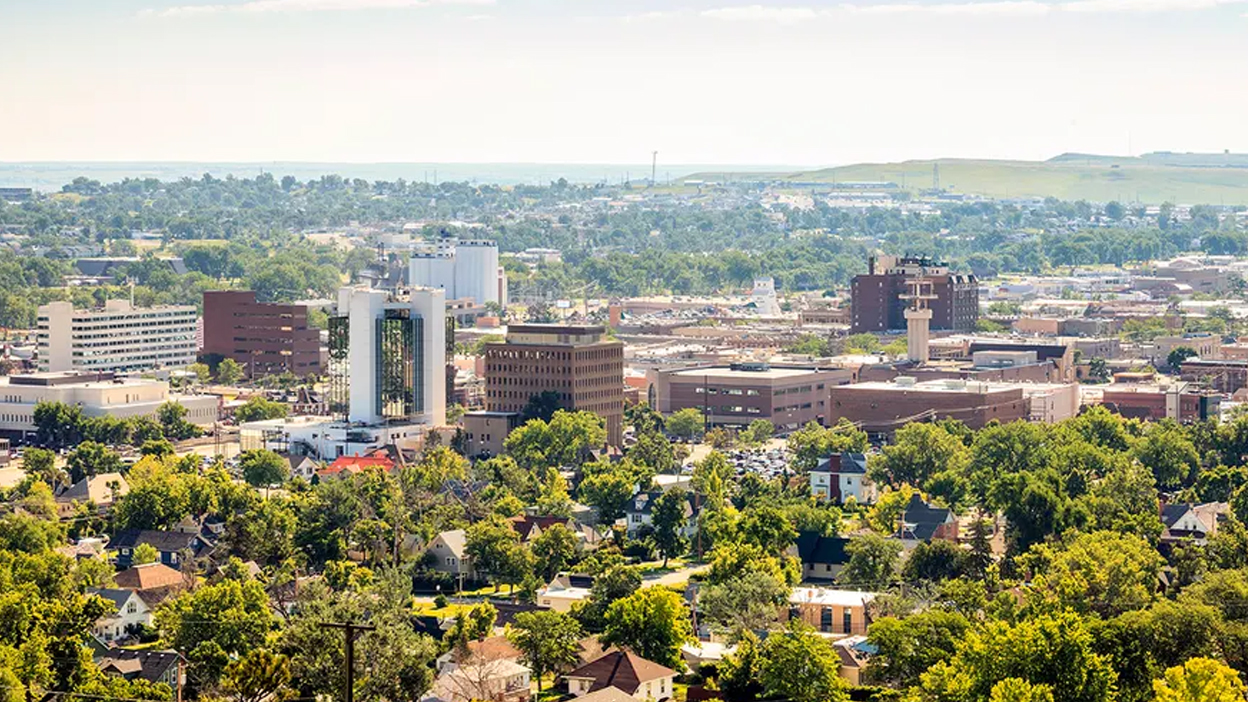
South Dakota encompasses three primary geographic regions, each with distinct features shaping living conditions and development patterns.
- Eastern Plains: The eastern part of the state includes the Dissected Till Plains, James River Valley, and Coteau des Prairies. This region features rolling hills, fertile soils, numerous lakes, and wetlands formed by glacial histories. The landscape supports intensive agriculture thanks to mesic soils and generally higher precipitation.
- Missouri River Corridor: Running centrally, the Missouri River acts as a natural demarcation dividing eastern and western South Dakota. The river corridor includes rugged terrain such as river breaks and wooded draws. These geographic features have directed population clusters and agricultural uses along the river valleys.
- Western Black Hills: The western area centers on the Black Hills, a montane outlier of the Middle Rockies. It has higher elevation with grassy parklands, buttes, Badlands formations, and valleys supporting a montane climate. Precipitation is more variable and generally lower than the east.
The transition across these regions moves from the flat Great Plains in the far east, through rolling hills, to the elevated Black Hills in the west. This gradation creates varied climate zones:
- The humid continental climate dominates the east and Black Hills regions, featuring relatively longer growing seasons and precipitation ranging from 25 to 30 inches per year.
- In contrast, the western semi-arid steppe climate has drier conditions, with about 15 inches of rainfall annually in the northwest, moderated locally by chinook winds.
These geographic and climatic variations heavily influence agricultural suitability—cropland dominates the fertile eastern plains, while ranching prevails in drier western areas. Population density mirrors these patterns, with denser settlements in the east and along the Missouri River corridor, and sparse populations throughout the western Badlands and Black Hills.
Environmental risks also align with geography. The eastern wetlands pose drainage and flood concerns, river breaks in the central corridor are prone to erosion, and the Missouri River valley experiences periodic flooding. Settlements and infrastructure often concentrate in the east and river valleys due to these factors.
Understanding these broad geographic divides is crucial as they affect land use, weather risk, economic opportunities, and quality of life for anyone moving to South Dakota. These are essential things to know before moving to South Dakota within the context of its plains state environment.
Urban vs Rural and Regional Living Patterns
South Dakota reflects a classic plains states population distribution pattern: low overall density with a few urban hubs surrounded by expansive rural and frontier areas.
The eastern region, anchored by fertile croplands and agricultural economies, supports denser settlement and numerous farming communities. These areas have more established infrastructure and access to services due to historically sustained populations.
By contrast, western South Dakota, particularly the rugged Badlands and Black Hills, is more sparsely populated. The terrain and climate limit settlement density, resulting in extensive rural lands and frontier zones, with fewer amenities and dispersed communities.
This east-west dichotomy coincides with differences in infrastructure and service availability:
- Urban and suburban areas in the eastern plains generally provide a broader range of public and private services, such as healthcare, education, retail, and public safety.
- Rural and frontier regions rely heavily on personal vehicles for transportation, as public transit options are minimal to nonexistent outside of the largest metro areas.
- Healthcare and educational facilities are scarcer in the western and frontier zones, sometimes necessitating long travel times for specialized services.
This structure defines typical daily life and accessibility patterns for residents, shaping commuting, shopping, schooling, and recreation.
- Population density is concentrated in the east where fertile agricultural lands support communities, while the west remains sparsely populated.
- Age profiles vary: agricultural areas tend to have younger populations linked to family farming, while some rural zones show an aging demographic.
- Native American communities and reservations are integral to South Dakota’s social fabric, influencing culture, governance, and land use statewide.
- Cultural norms emphasize rural and small-town values rooted in farming, ranching, and outdoor traditions.
- Outdoor activities focus on the surrounding temperate grassland ecology and protected natural areas like the Badlands and Wind Cave National Parks, fostering widespread community engagement with the environment.
Such cultural and social realities illustrate the broader lifestyle context for those moving to South Dakota and should be part of the fundamental things to know before moving to South Dakota.
Taxes, Regulations, and Long-Term Planning Factors
South Dakota’s tax and regulatory environment supports affordability and aligns with plains states’ development patterns.
- The state levies no income tax, a significant benefit for residents.
- Sales tax exists at a moderate rate, applicable statewide.
- Property taxes are generally affordable but vary locally.
- Land use regulations favor agriculture and low-density development, with minimal urban density restrictions outside city limits.
- Environmental regulations address erosion control and wetland preservation in eastern regions and focus on water conservation in the drier west.
- Insurance requirements and building codes mandate standards for tornado resilience, flood mitigation, and wind resistance.
Understanding this regulatory framework is essential for long-term planning, especially for homebuilding, farming, or business investment. These remain core things to know before moving to South Dakota relevant to managing risks and financial planning.
Who South Dakota Is Generally a Good Fit For
South Dakota suits a specific range of residents aligned with plains states characteristics.
- People valuing low cost of living and rural or small-town environments find South Dakota attractive.
- Those engaged in agriculture, manufacturing connected to farming, or tourism-related industries dominate employment sectors in eastern and western regions respectively.
- Individuals comfortable with continental climate extremes and outdoor recreational opportunities encompassing hiking, hunting, and visits to state and national parks.
- Retirees or residents seeking less urban density compared to national averages also benefit from South Dakota’s environment.
Identifying this profile helps align expectations with realities, making the things to know before moving to South Dakota clearer and more actionable.
Who Should Research Further Before Moving
Certain groups require more detailed, localized investigation before committing to South Dakota relocation.
- Those seeking specialized employment outside agriculture or tourism typically need urban centers like Sioux Falls or Rapid City, demanding city- or county-level labor market research.
- Families prioritizing education quality, healthcare access, and urban amenities should examine local conditions thoroughly.
- Individuals or households sensitive to harsh continental winters, tornado and flood risks, or those reliant on public transportation need to evaluate specific regional characteristics.
Careful examination of South Dakota’s diverse geographic and social landscape is necessary to supplement this statewide overview, ensuring the best personal fit among the things to know before moving to South Dakota.
Conclusion
Understanding South Dakota’s geography—divided by east-west plains and Black Hills regions—its economy centered on agriculture and tourism, and its continental climate extremes is vital for prospective movers. The state’s infrastructure dependence on personal vehicles and its affordable tax environment further shape residential realities.
These core things to know before moving to South Dakota offer a foundational overview aligned with the broader plains states context. Combining this wide-angle perspective with localized research will help individuals and families make informed relocation decisions tailored to their specific needs and preferences.
South Dakota presents a unique blend of rural landscapes, economic clusters, and climatic conditions typical of the Upper Midwest plains states, making careful preparation essential for successful integration.