
Moving to Washington, D.C. is a big decision, and a smart approach is to spend a weekend in Washington DC before moving to get a real feel for life in the city. This blog post shows you how to spend a weekend in Washington, D.C. before you move by treating your trip not like a typical sightseeing visit, but as an immersive 48-hour experience focused on everyday life in this unique capital.
Washington, D.C. is a highly walkable city shaped by federal government rhythms, which means even a short two-day trip reveals how residents live, commute, and engage with their neighborhoods. This DC weekend itinerary prioritizes exploring local communities, transit realities, and daily routines over monuments or tourist hotspots. Rather than a classic travel guide, this is your relocation scouting playbook for a weekend in Washington DC before moving.
Why a Weekend Visit Helps Before Moving to Washington, D.C.
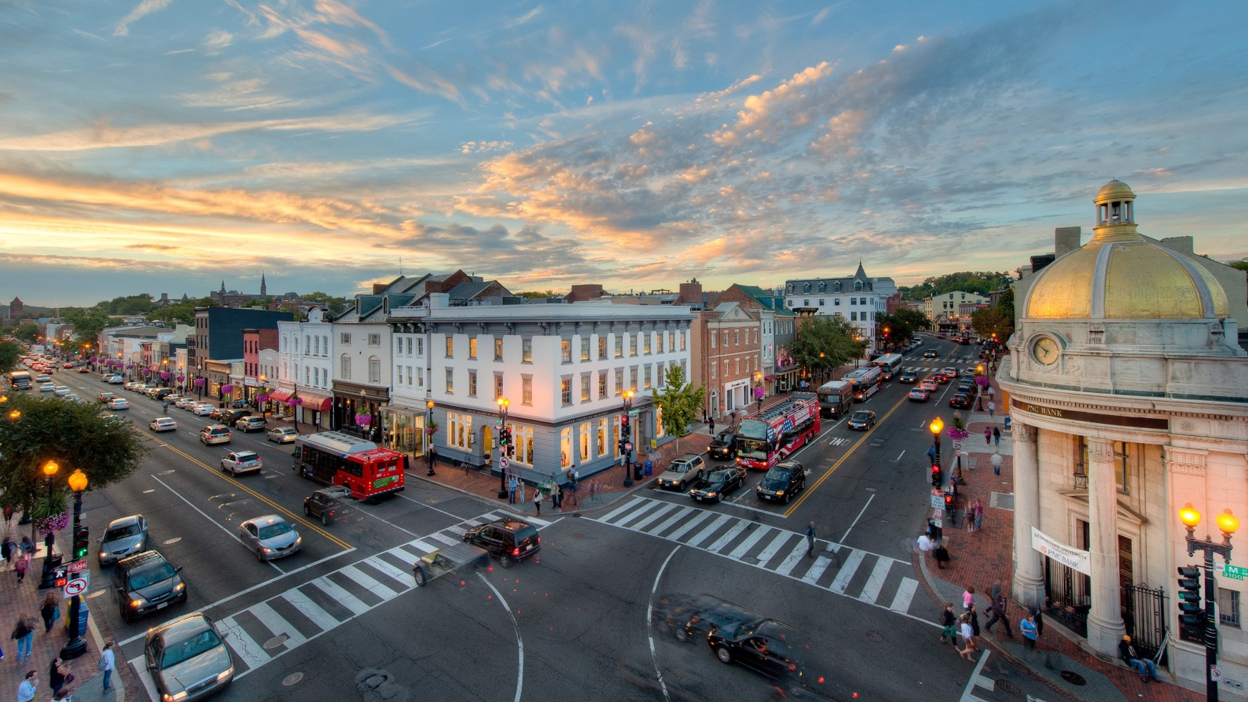
Washington, D.C. strikes a fascinating balance between the hustle of its government core and the calm of its residential neighborhoods. Understanding this “pace of life” is essential before moving.
The Pace of Life in Washington, D.C.
The city’s center — Capitol Hill, Federal Triangle, and K Street — pulses with busy government business, bustling on weekdays with dense office crowds and hectic rush hours. Yet just a few blocks away, neighborhoods have a small-town feel, with tree-lined streets, historic rowhouses, and local main street scenes.
Weekdays see packed Metro trains and heavy car traffic during rush-hour, but weekends reveal quieter pockets where families stroll dog-friendly streets and neighbors greet each other. A weekend in Washington DC before moving shows these contrasts, letting you decide whether the vibrant downtown energy or the calmer residential vibe suits you.
Transportation Realities
Transportation plays a huge role in D.C. life. The city is known for its extensive Metro system and bus network, and many locals rely heavily on public transit.
- The Metro and Metrobus are often more practical than driving inside the city.
- Walking is common and necessary: many residents walk several miles daily to coffee shops, grocery stores, and Metro stations.
- Bike-share programs and bike lanes add flexible options for short trips.
- Traffic congestion and parking difficulties can frustrate drivers, especially during rush hours and in dense historic neighborhoods.
A weekend in Washington DC before moving lets you experience these details firsthand. You’ll see how proximity to Metro stations shapes housing choices and how accessible biking and walking feel for your lifestyle.
Neighborhood Contrasts
Washington’s neighborhoods are sharply different from one another:
- Historic districts like Capitol Hill and Georgetown feature charming rowhouses and close-knit communities.
- Mixed-use, government-adjacent areas such as NoMa and Eastern Market combine office towers with residential blocks.
- Quiet, family-friendly neighborhoods like Woodley Park, Glover Park, and parts of Capitol Hill offer parks, playgrounds, and schools.
- Trendy, emerging areas such as the U Street Corridor, Navy Yard, and The Wharf boast nightlife, modern apartments, and restaurants.
This diversity influences day-to-day life and community atmosphere, making a weekend visit as part of a DC weekend itinerary invaluable.
The Community Atmosphere
Washington, D.C.’s rich racial and cultural diversity is woven into neighborhood identities:
- U Street Corridor, historically a hub of Black culture and music, retains a strong African American heritage.
- Adams Morgan is known for its international vibe and vibrant nightlife scene.
- Some areas cater to families, while others thrive on young professional social energy.
- Civic engagement and policy conversations permeate many social settings in the city.
Spending a weekend in Washington DC before moving allows you to observe these community dynamics and decide where you feel most at home.
Day 1: Getting a Feel for Everyday Life in Washington, D.C.
Your first day sets the foundation for understanding daily life in D.C., focusing on local cafés, community spaces, and resident-favored evening spots.
Morning: Local Cafés in Walkable Neighborhoods
Start your morning in neighborhoods where residents live and breathe their daily routines.
Capitol Hill / Eastern Market
Wake up in Capitol Hill, famous for historic rowhouses and tree-lined streets. Head to Eastern Market, a weekend hub for farmers, producers, and artisans. Pause at a local café and note:
Historic Districts
- Capitol Hill
- Georgetown
- Dupont Circle
- Adams Morgan
These areas are known for charming rowhouses, walkable streets, and older infrastructure. Parking can be tight, but the established community vibe is strong.
Government-Adjacent Areas
- Eastern Market/Capitol Hill
- NoMa
- Southwest Waterfront
These districts have mixed office and residential uses. They show pronounced weekday rush hours contrasted with calmer weekends.
Residential/Family-Oriented Neighborhoods
- Woodley Park
- Cleveland Park
- Glover Park
- Eastern Market
You’ll find quieter streets, schools, parks, and established community identity here. Some have limited Metro access, requiring bus or bike use.
Trendy/Emerging Neighborhoods
- U Street Corridor
- H Street NE
- Navy Yard
- The Wharf
These neighborhoods feature newer apartments, nightlife hubs, and younger populations, often around major developments or entertainment venues.
Plan to visit at least one neighborhood from each type during your weekend in Washington DC before moving to get a well-rounded picture of the city.
What a Weekend in Washington, D.C. Can and Can’t Tell You
What You Can Learn During Your Weekend Visit
- Daily rhythms and energy levels: When and where the city feels busy, calm, or vibrant.
- Transit usability: Real commute times, whether you can rely on Metro, bus, biking, or walking.
- Neighborhood atmosphere: Noise levels, lighting, safety, and resident demographics.
- Community hubs: Parks, markets, cafés, and social spots where residents gather.
These insights outperform static online research by showing real-life impressions.
What a Weekend Can’t Fully Explain
- Long-term commute variations: Changes brought by weather, seasons, or special events.
- Detailed school quality: Requires extended engagement beyond site visits.
- Full cost of living: Including rent trends, utilities, taxes, and hidden fees needs deeper data.
- Social integration: Building friendships and networks takes months or years, not a weekend.
Understanding these limits sets realistic expectations for your pre-move scouting.
Tips for Planning Your Weekend in Washington, D.C.
Best Time to Visit
Visit in spring (during cherry blossom season) or fall for mild weather and lively neighborhood life.
Avoid extreme summer heat and humidity or the unpredictable chill of winter, unless you want to test all-season endurance.
Check the calendar for major city events that could disrupt traffic and neighborhood ambience—like marathons, protests, or festivals.
Where to Stay
Choose a central location near Dupont Circle, Logan Circle, Penn Quarter, or around the National Mall for excellent Metro access and neighborhood feel.
Book an apartment-style vacation rental or extended-stay hotel with kitchen facilities to better simulate apartment living.
Transportation Strategies
- Get a SmarTrip card for seamless use of Metro and buses.
- Test commute routes between likely home and work areas during typical rush-hour times.
- Take at least one bike-share trip in core neighborhoods.
- Rent a car only if seriously considering outer neighborhoods or suburbs to assess traffic and parking.
Itinerary Planning Advice
Avoid overloading your schedule. Instead:
- Block focused time for neighborhood walks and exploring.
- Leave downtime for casual transit rides and people watching.
- Reserve accommodations, potential car rentals, and neighborhood tours ahead to streamline logistics.
This ensures your weekend research trip prioritizes real living impressions over tourist checklists.
Conclusion
Knowing how to spend a weekend in Washington, D.C. before you move can transform your relocation process from guesswork into confident decision-making.
This focused 48-hour scouting trip offers first-hand insight into the city’s neighborhood variety, pace of life, transit systems, and community atmosphere that no amount of online research can replace.
Use this DC weekend itinerary and travel guide to strike a balance between structured exploration and spontaneous discovery. By seeing how people live, work, and socialize in the city’s neighborhoods, you’ll make a move to Washington, D.C. with clarity, confidence, and realistic expectations for your new home.
Start planning your weekend in Washington DC before moving today—and get ready to experience the real heartbeat of the nation’s capital.