
Is Atlanta a good place to live? This question does not have a straightforward answer. Whether Atlanta fits as a home depends deeply on individual lifestyle choices, priorities, and even personality traits. It is not about universal rankings or broad pros and cons lists. Instead, the answer lies in understanding what daily life in Atlanta really feels like, how community ties shape everyday interactions, and whether the city’s pace and environment suit one’s needs.
This blog explores the detailed, lived experience of living in Atlanta. It aims to provide grounded insights into the rhythms, community atmosphere, work-life balance, and environment that shape life in this city. By focusing on these core elements, readers can reflect on whether Atlanta offers the kind of lifestyle they seek.
What Daily Life in Atlanta Actually Feels Like
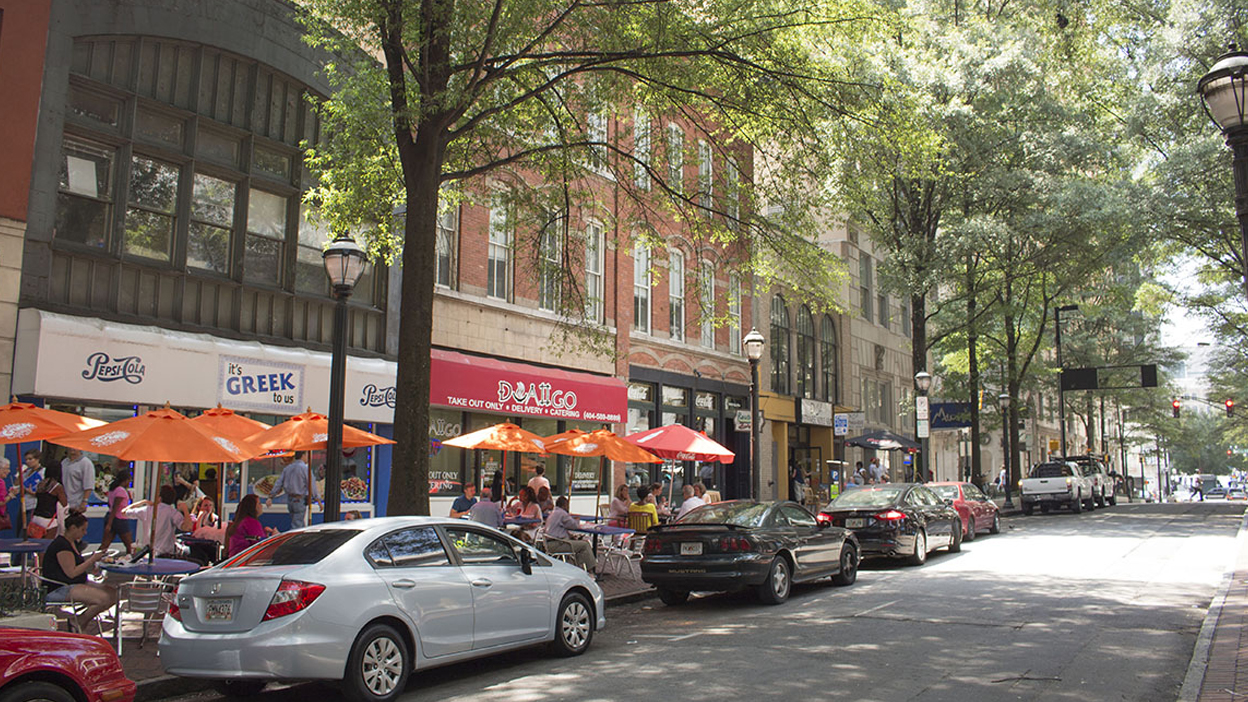
Atlanta’s urban landscape is marked by stark contrasts in pace and atmosphere. Neighborhoods like Midtown and Buckhead pulse with an energetic city vibe. These areas are dense, characterized by bustling streets, high-rise offices, and a stream of activities running day and night. By contrast, places such as Decatur and East Atlanta Village offer a more relaxed, slower tempo where local businesses, artistic scenes, and social gatherings play a major part in shaping the daily rhythm.
On weekdays, many Atlantans’ routines revolve around commuting. The city’s layout and infrastructure still demand considerable car travel for most people, whether to workplaces, schools, or errands. Traffic jams during rush hours are common and often a regular feature of a weekday morning or evening. Yet a shifting pattern is apparent, as an increasing number of residents work remotely or have flexible schedules that blur traditional nine-to-five boundaries, allowing a more balanced daily rhythm.
Weekends in Atlanta tend to bring a change in tempo. Many residents take advantage of the city’s outdoors, especially along evolving trails like the Atlanta Beltline. This 22-mile trail system links several neighborhoods and offers walking, jogging, and cycling routes close to urban spaces. Weekend leisure also includes visits to green parks, local markets, and cultural events held in mixed-use developments throughout the city. The specific neighborhood dramatically influences how weekends play out—those in walkable urban cores find social and recreational options easily accessible, while families or individuals in outer areas often plan outings or activities further away, requiring more coordination.
The daily life experience in Atlanta is therefore shaped by geography and lifestyle choices. For some, the pace is brisk and occasionally rushed, especially in the commercial hubs with traffic-heavy commutes. For others, particularly those able to work flexibly or living in slower neighborhoods, a more balanced tempo emerges, combining urban amenities with moments of calm.
The Social and Community Atmosphere
Atlanta’s social fabric is shaped by a mixture of long-established locals and a steady influx of newcomers. This combination fosters a dynamic and continually evolving community landscape. Social connections often develop through participation in neighborhood events, cultural centers, and professional or creative networks scattered throughout the metro area.
The humid climate affects routine as well. It shapes outdoor activity patterns, requiring adjustments to seasonal temperatures and humidity levels. Residents accommodate this natural rhythm with activities timed for mornings or evenings and use indoor spaces to balance outdoor exposure.
Overall, Atlanta’s physical layout favors those who enjoy a combination of urban stimulation and ready access to natural retreats. However, it may pose challenges for people seeking compact, highly walkable environments, demanding a mindset comfortable with driving and spatial dispersion.
Who Atlanta Is Likely a Good Fit For
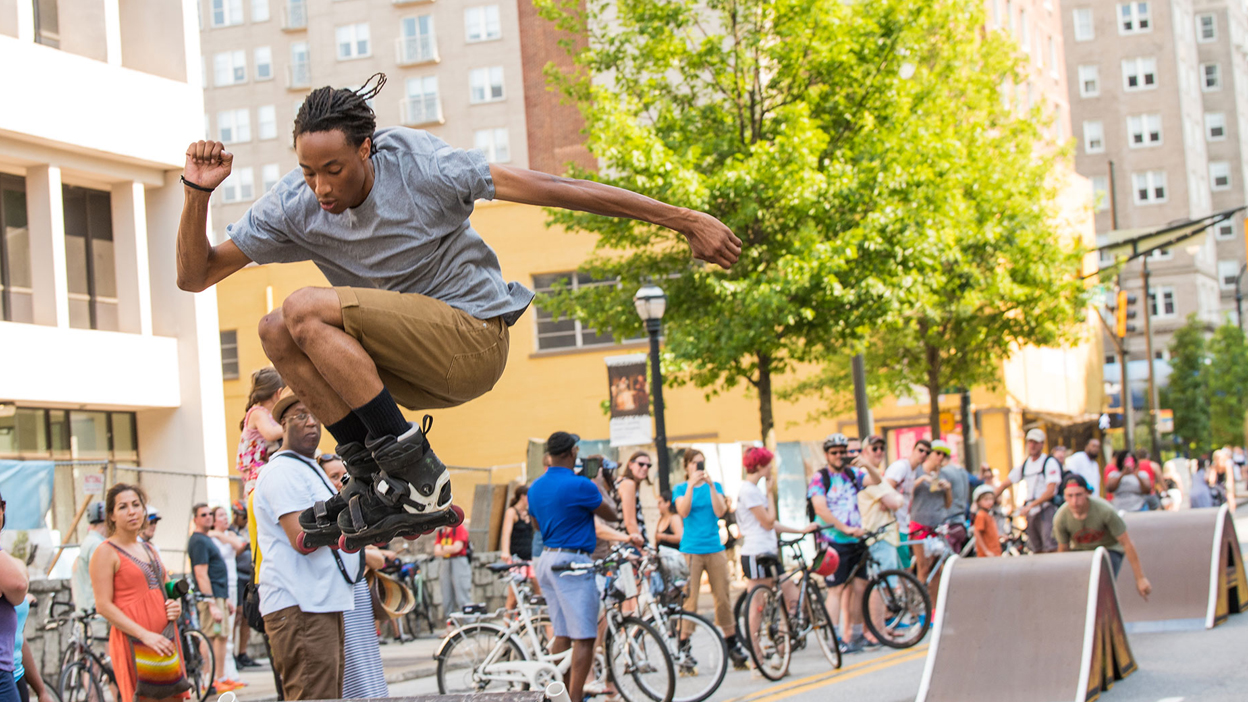
Atlanta tends to resonate with those who appreciate cultural diversity and a varied urban experience. Residents who embrace a balance of energetic city life with accessible green space often find the city aligns well with their lifestyle. Many enjoy living in neighborhoods that are distinct and evolving, making it possible to engage with different social scenes and community cultures.
People who adapt well to the city’s combination of family-oriented enclaves, creative hubs, and professional districts discover opportunities to shape their routines according to mood and need. The city suits individuals comfortable navigating constant change and variety rather than expecting uniform or static environments.
Appreciation for Atlanta’s neighborhood distinctiveness and openness to its sprawling layout also characterize those who find living here valuable. It is a fit for people who seek both social dynamism and pockets of tranquility within one metropolitan area.
Who Might Struggle Living in Atlanta
Conversely, Atlanta may prove less suitable for those who prioritize ultra-compact, pedestrian-only settings. The city’s widespread geography and reliance on driving make it difficult for people who favor seamless walkability and extreme urban density.
Individuals looking for a quiet, small-town sense of intimacy might find Atlanta’s continual growth, traffic challenges, and energetic pace at odds with their preferences. The city’s infrastructure and character reflect a metropolitan lifestyle that can feel fast and sprawling rather than modest and contained.
The fit, therefore, hinges on personal lifestyle needs. For some, Atlanta’s energy and spread represent limitations; for others, they offer opportunities.
Conclusion
Is Atlanta a good place to live? The answer depends on how well a person’s lifestyle desires, personality, and priorities align with the city’s unique blend of vibrancy, diversity, environment, and everyday routines.
Exploring daily life, social dynamics, work balance, and environmental context reveals a nuanced reality behind the city’s image. These factors together shape whether Atlanta feels like home or somewhere less suited to an individual’s vision.
Ultimately, the best understanding comes from reflecting on what one values most in place, pace, and community—knowing that Atlanta’s lived experience varies widely and is as much about personal fit as it is about the city itself.