
When considering a move, many ask: Is North Dakota a good place to live? The answer, however, is not straightforward. Whether North Dakota suits someone’s life depends deeply on their personal values, lifestyle preferences, and expectations. Beyond external measures like affordability or rankings, the real question is whether the typical rhythms and cultural tones of living in North Dakota align with the individual’s sense of comfort and belonging.
This article is intended for those thinking about moving to North Dakota who want a grounded, experience-based look at the broader state-level lifestyle fit. By examining general patterns and lived impressions of North Dakota’s ways of life, readers can reflect on whether the ND lifestyle would feel like home or a mismatch.
What Living in North Dakota Generally Feels Like
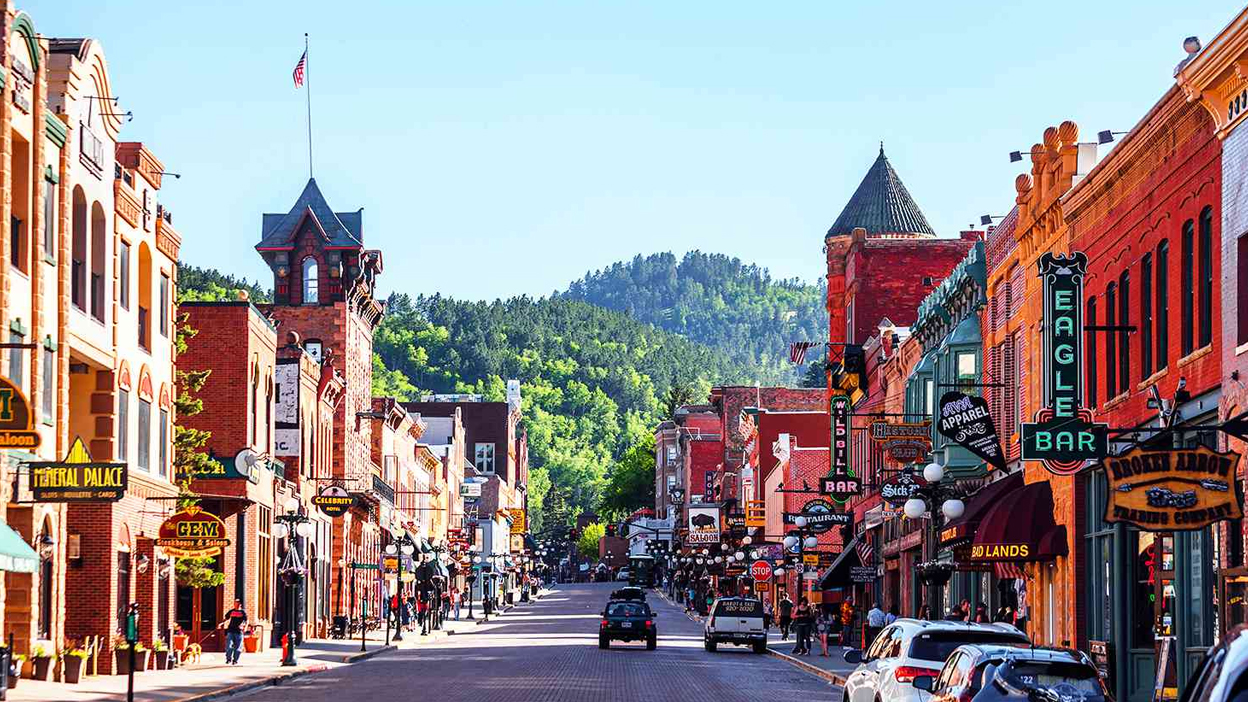
Living in North Dakota often means embracing a steady, unhurried pace of life. This slower rhythm is noticeable when compared to the busier, more densely populated states. The ND lifestyle moves in time with wider seasonal shifts—from frigid winters to breezy summers—that strongly influence daily activities and longer-term planning.
One of the most defining experiences of living in North Dakota is the profound sense of space. The state’s low population density and the large geographical distances between towns and communities create a deep feeling of openness. This sense of spaciousness affects how residents experience movement—traveling between places often requires preparation for extended drives, and social connections sometimes occur across significant physical distances.
Despite such scale, daily life frequently reflects natural cycles tied to agriculture and the rhythms of the land. Many routines incorporate a respect for simplicity, practicality, and autonomy. These grounded cycles create a balance where responsibilities are met with steady commitment, yet time also feels less pressured, allowing space to breathe.
Even in more populated parts of the state, living in North Dakota often means engaging in practical, straightforward rhythms shaped by the seasons and geography, producing a lifestyle that feels spacious and measured rather than rushed.
Community, Culture, and Social Atmosphere
The social atmosphere across North Dakota tends to feel warm yet reserved. Many communities, drawing from long-standing local traditions, nurture close-knit, neighborly ties. These connections are often built on a cultural foundation of pragmatism and groundedness.
Residents typically value straightforwardness, reliability, and consistency. People depend on one another in practical, tangible ways rather than seeking high-energy social activity or constant interaction. This cultural tone supports an environment that is steady and calm, where relationships focus on genuine, dependable connection rather than frequent social events or outward expressiveness.
People who value pragmatic, steady communities and reliability in relationships typically resonate with the ND lifestyle. The blend of structured routine and personal autonomy within a spacious living environment aligns with the preferences of many residents.
While affordability supports this lifestyle by reducing financial pressures, it is not the core of satisfaction. Rather, it enables individuals to live more freely within the practical, steady rhythms of North Dakota life.
For those who find meaning in quiet steadiness, a connection to nature, and community rooted in consistency, North Dakota may feel well matched to their lifestyle values.
Who Might Struggle Living in North Dakota
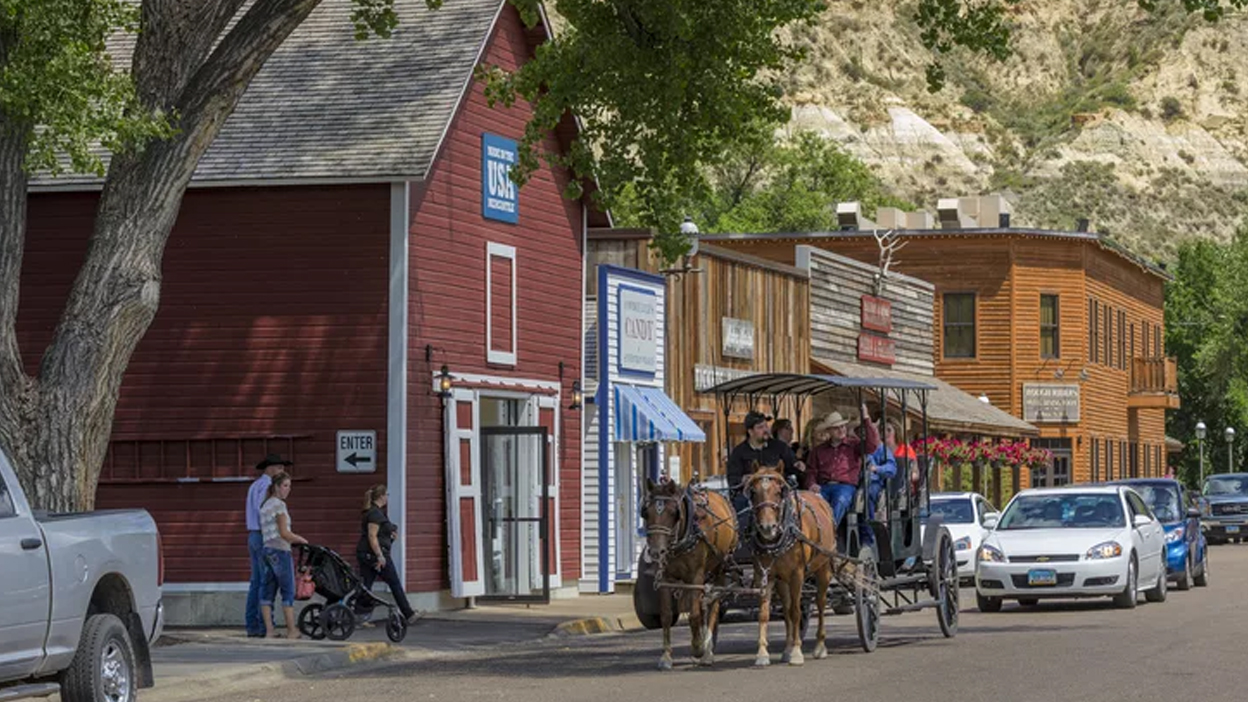
Conversely, North Dakota can pose challenges for those who seek dense urban energy or nearly constant social engagement. The state’s generally reserved social culture and wide-open physical spaces may feel isolating to individuals who thrive on frequent interaction or bustle.
People uncomfortable with pronounced seasonal changes or reluctant to navigate longer travel distances might find the pace and layout out of sync with their preferred ways of living. The continual influence of the continental climate often introduces sharp seasonal shifts that some may experience as difficult.
Furthermore, those expecting a fast-paced, highly flexible metropolitan lifestyle may struggle with North Dakota’s steady, spacious, and seasonally driven rhythms. In addition, some essentials and services can carry costs above average, potentially complicating lifestyles that require frequent convenience or high-intensity consumption.
In essence, if someone values compact urban living, dynamic social scenes, minimal seasonal variation, or proximity between destinations, is North Dakota a good place to live? may lean towards a negative answer for their experience.
Conclusion
Anyone moving to North Dakota should carefully consider how their personal values and lifestyle preferences resonate with the state’s defining traits. The broad patterns of spaciousness, seasonal rhythms, and a grounded cultural tone deeply influence daily living here.
Whether North Dakota is “good” is less about external labels like cost or rankings and more about subjective fit with its characteristic ND lifestyle. Reflecting on these patterns offers a meaningful lens for understanding if North Dakota’s steady, practical way of life could feel like home.
Making a decision with this experiential perspective provides clarity beyond numbers, helping individuals and families find what truly suits their long-term happiness in this unique part of the country.