Asking “Is New York a good place to live?” is a deeply personal question. The answer depends less on statistics or broad reputations and more on how your personal values, lifestyle preferences, and rhythms align with the vast and varied environment of New York State. Whether you thrive in wide-open spaces or amid diverse cultural energy, the experience of living in New York differs greatly depending on where and how you live.
This article explores the NY lifestyle as it unfolds across rural, suburban, and downstate regions. It considers the broad patterns and lived impressions that shape life in one of the nation’s geographically and socially diverse states. Throughout, the focus remains on state-level lifestyle fit—not on urban center specifics or rankings.
What Living in New York Generally Feels Like
New York’s expansive footprint—from lakes and mountains in the north to sprawling suburbs and urban edges downstate—creates distinctly different daily experiences. Covering over 54,000 square miles, the state’s size alone shapes how space, pace, and movement influence the daily lives of its residents.
In many upstate rural and suburban areas, life moves at a slower, more spacious pace. Here, quiet neighborhoods and open landscapes dominate. Days often involve longer drives, not only to get around but also to reach recreational escapes like forests or lakesides. This rhythm fosters a sense of ease and distance from the constant bustle more common elsewhere. Social interactions in these regions tend to be rooted in familiarity, with smaller communities supporting stable, long-term relationships.
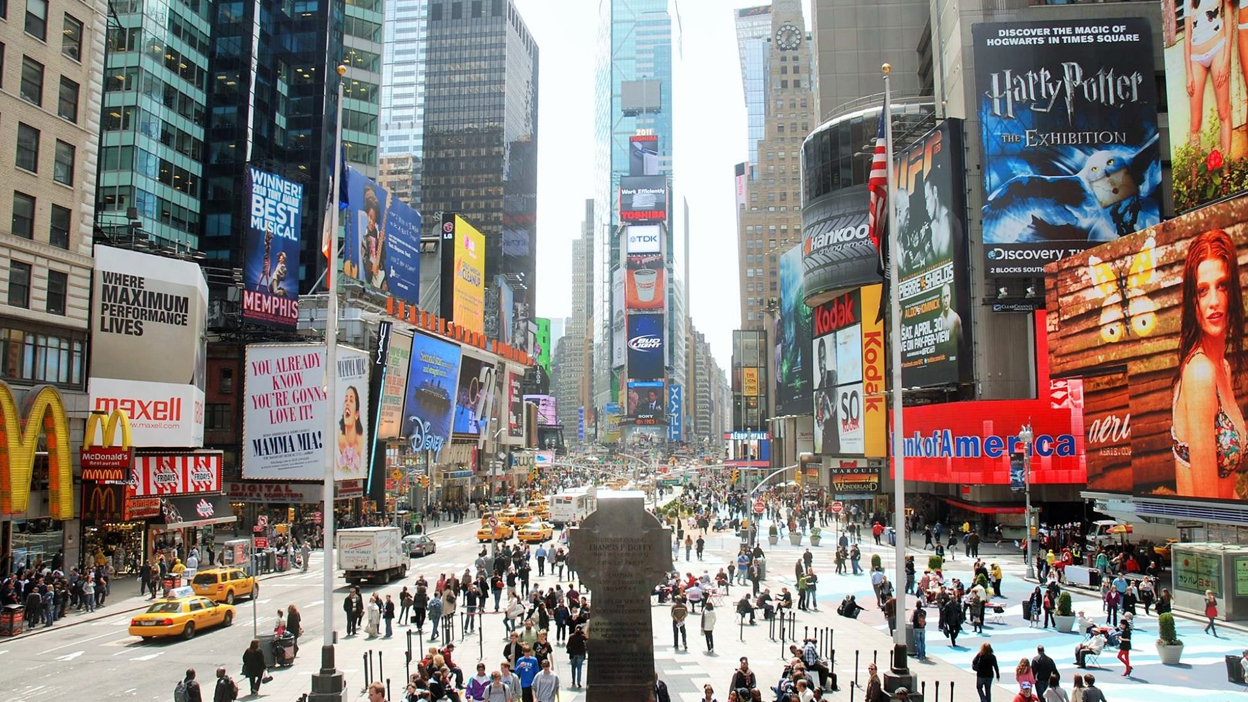
Conversely, downstate regions present denser, often transit-dependent lifestyles. Most people rely heavily on trains, buses, and highways for commuting, which creates a structured daily flow centered on schedules and shared transit corridors. The pace here tends to be brisker—and the sense of physical space more compact. Residents navigate a terrain where distances are shorter but frequently negotiated amid crowds and constant movement. Social connections sometimes have a transient quality shaped by population density and commuting habits.
This geographic and infrastructural contrast fundamentally influences how people experience and feel living in New York. The sense of community, accessibility, and rhythm of life vary widely as a result. The NY lifestyle is not a single story but a mosaic reflective of these differing environments and the routines they inspire.
Community, Culture, and Social Atmosphere
Social and cultural environments across New York fall into divergent patterns that shape how residents connect with each other. Upstate areas tend to foster more traditional, tightly woven communities. Here, long-standing relationships across generations are common, and the slower cadence of life supports stable social bonds. Many living in these parts find comfort in familiar faces and continuity within their neighborhoods.
Downstate and metro-adjacent areas lean toward higher diversity and mobility, creating more dynamic but sometimes less rooted social atmospheres. The influx of varied cultural influences and the constant churn of new residents inject vibrancy and variety in everyday encounters. This environment can foster adaptability and openness but may also bring an element of social impermanence. Relationships that feel more transactional or situational emerge alongside deep community connections.
Individuals resilient to living cost pressures—but who can also benefit from wage improvements and public affordability initiatives—may also find New York’s complexity manageable and even advantageous in some parts. The capacity to navigate New York’s spatial contrasts and periodic demands on time and energy aligns with a mindset of patience and adaptability.
For many considering moving to New York, it is a place that suits those valuing a blend of natural beauty, cultural diversity, and a layered lifestyle experience. While not universally easy, it matches well with people who embrace both the energy and the expansiveness characteristic of the state.
Who Might Struggle Living in New York
Not all lifestyles mesh comfortably with New York’s patterns. Individuals expecting consistently low or moderate living costs may find the state’s expenses—especially housing and utilities—difficult to navigate. The geographic scale of upstate often requires accepting longer travel distances, while downstate’s denser settings involve higher baseline living costs.
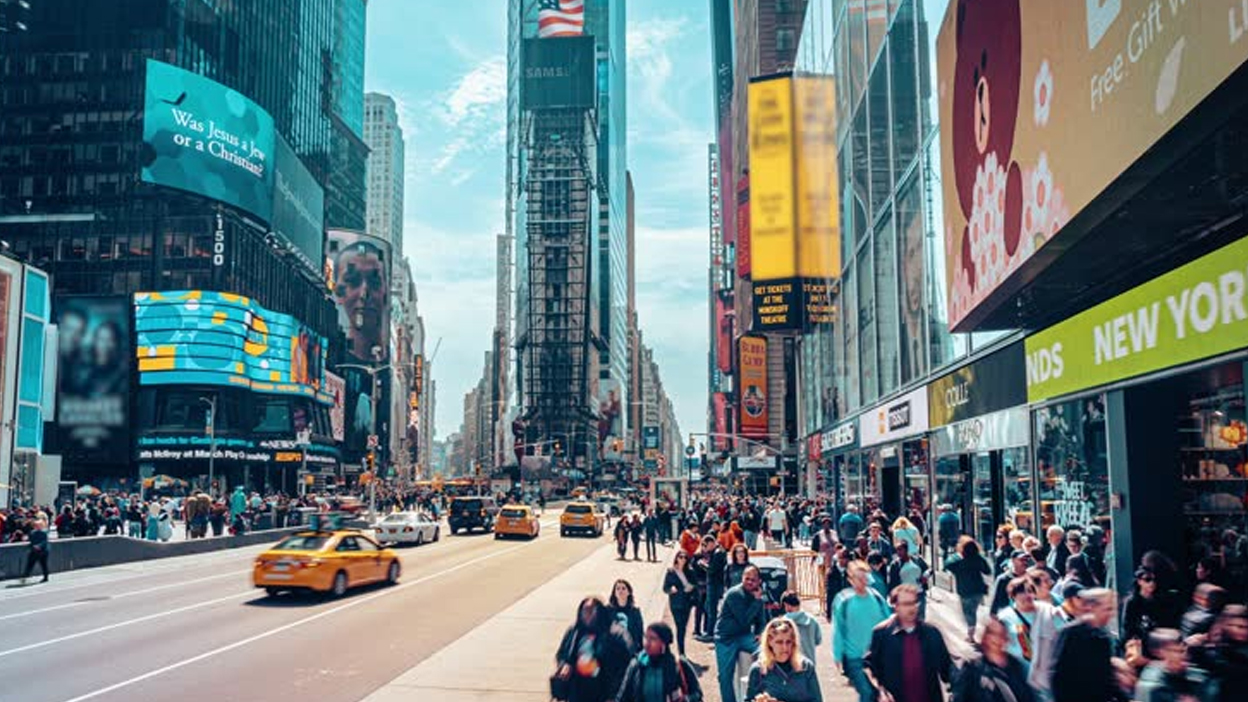
Those who prefer uniform social environments or minimal commuting demands might also encounter challenges. The state offers a blend of short and long travel routines and varying social fluidity, ranging from steady small-town interactions to transient metropolitan dynamics. These fluctuations can feel destabilizing to some.
Sensitivity to pace contrasts—between slow and fast, steady and hectic—may cause friction. New York’s lifestyle rhythms vary widely, and this uneven tempo can be disorienting for those seeking predictable and streamlined daily experiences.
These observations reflect personal fit rather than inherent drawbacks. The very elements that some find difficult here are key attractions for others. Understanding these experiential alignments is critical for anyone considering living in New York.
Conclusion
Ultimately, answering “Is New York a good place to live?” is a highly individualized journey. It hinges on how your preferences around pace, space, social atmosphere, and routine align with the broad living impressions described here.
The NY lifestyle is a textured and nuanced reality, shaped by geographic contrasts and diverse social fabrics that resist simple labeling. What feels like home to one person may feel alien to another depending on where within the state they live and how they engage with its rhythms.
For those moving to New York, recognizing this diversity is vital. Rather than seeking universal judgments, focusing on how well the state’s varied environments resonate with your lifestyle will offer the most grounded perspective.
New York’s mosaic of experiences can be a place of deep belonging—or discord—rooted in the complex interplay of its natural, social, and economic landscapes. The question remains open, inviting each individual to weigh their values against the everyday reality of living in this remarkable state.