
Asking the question “Is Philadelphia a good place to live?” invites more complexity than a simple yes or no answer. What feels good or challenging about living in Philadelphia depends heavily on individual tastes, lifestyle priorities, and daily patterns. Understanding this city goes beyond generic “living in Philly pros and cons” lists or abstract rankings. It requires delving into what everyday urban life truly feels like here, how neighborhoods shape social interactions, and how work and environment interact in real time.
For anyone thinking about moving to Philadelphia, appreciating these lived realities is essential. This article explores distinct dimensions of life in Philadelphia—from daily rhythms and social atmosphere to work habits, physical environment, and who tends to fit well or struggle here. By focusing on actual resident experience, it offers grounded insight to illuminate what Philadelphia living means on the ground.
What Daily Life in Philadelphia Actually Feels Like
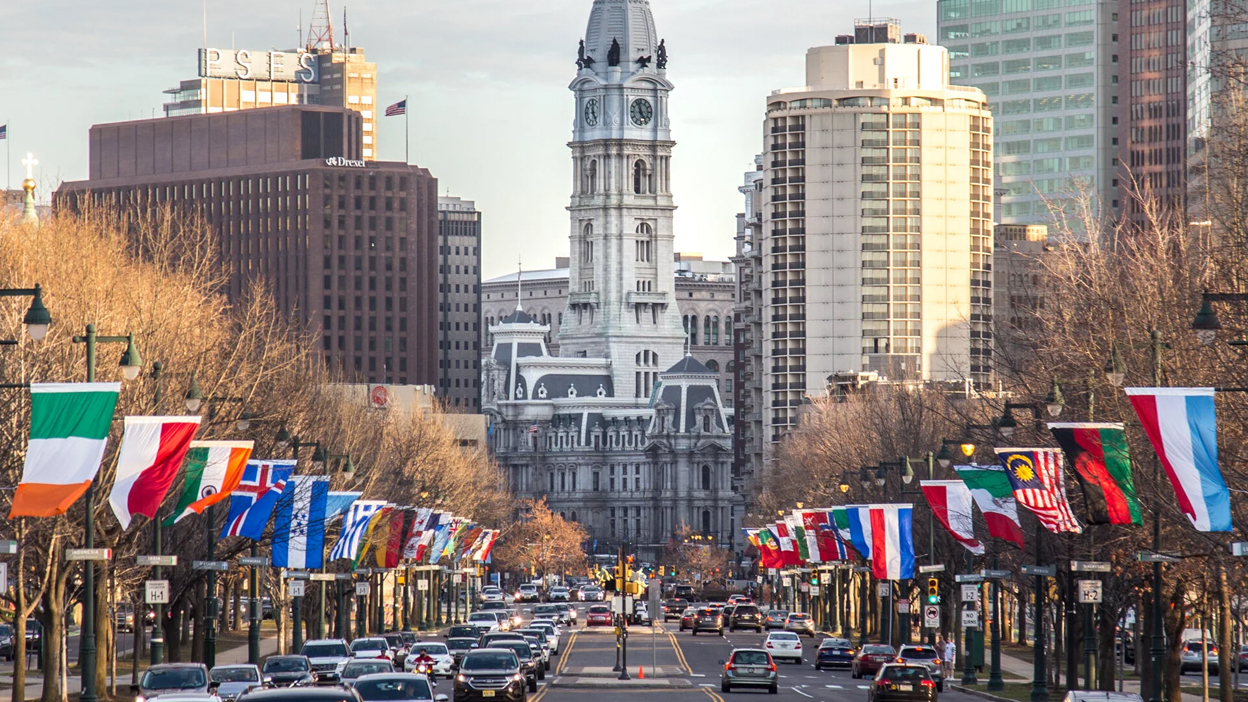
Philadelphia carries a distinct urban pulse defined by its balance between energetic city bustle and accessible quieter spaces. In dense neighborhoods such as Center City or Fishtown, mornings bring busy streets filled with diverse commuters. Sidewalks hum with people heading to work or stopping at local cafes, while transit options like SEPTA buses and trains service foot traffic. For many, weekday routines blend in-office hours with flexible or remote work arrangements, reflecting Philadelphia’s mix of healthcare, finance, academic, and growing tech sectors.
Commutes vary widely. Some residents rely on public transit—SEPTA’s extensive network supports car-free travel—while others drive from neighborhoods farther out or near the suburban edges. This results in distinctive daily patterns depending on where one lives, from a brisk walk through historic rowhouse blocks to riverfront drives or trolley rides. Philadelphia’s food landscape mirrors this variety: from corner bodegas offering quick staples to sit-down spots and diverse restaurants, natives and newcomers alike find options tailored to multiple lifestyles.
Weekends shift toward a more relaxed yet still highly local tempo. Many Philadelphians explore Fairmount Park’s extensive green stretches, easily accessible from multiple neighborhoods. Others gravitate to culturally rich spots like the Italian Market or peruse galleries in arts-oriented districts such as Fishtown or Kensington. This spatial and social texture means that there is no singular weekend rhythm—daily life in Philadelphia varies widely by neighborhood context, making routine both dynamic and personalized.
Such details illustrate why the question “Is Philadelphia a good place to live” resists broad answers. The living in Philly pros and cons people mention often stem from this fragmentation of experience. Moving to Philadelphia means navigating these layered lifestyles shaped by urban density, transit, and neighborhood identity.
The Social and Community Atmosphere
Philadelphia’s social fabric weaves tightly around neighborhood identities rather than a unified citywide community. Each area boasts its own cultural signature and social vibe. Creative enclaves cluster in neighborhoods like Fishtown and Kensington, where art studios and independent businesses cultivate a sense of youthful experimentation. Family-oriented areas like Rittenhouse Square or Society Hill project a more traditional residential tone, marked by tree-lined streets and longstanding local institutions. Academic neighborhoods such as Fairmount bridge cultural and intellectual life with everyday living, tapping into nearby museums and universities.
Social dynamics in these neighborhoods are shaped by the mix of long-term residents and recent arrivals. Deep-rooted communities often preserve stable social networks that newcomers must actively engage to access. Conversely, neighborhoods characterized by higher population turnover present more fluid social scenes but sometimes lack established communal depth. The city’s social landscape thus varies from warmly inclusive to challenging, depending largely on one’s willingness to participate.
Skilled professionals in healthcare, technology, academia, and finance communities often benefit from Philadelphia’s balance of competitive employment opportunities and urban amenities. Remote workers also gain from access to coworking spaces, neighborhood cafes, and reliable internet infrastructure. The city attracts those seeking authenticity, complexity, and evolving neighborhood character rather than homogenous environments.
Answering “Is Philadelphia a good place to live” in this context involves recognizing how well individual work, cultural interests, and social style align with Philadelphia’s layered and dynamic urban landscape.
Who Might Struggle Living in Philadelphia
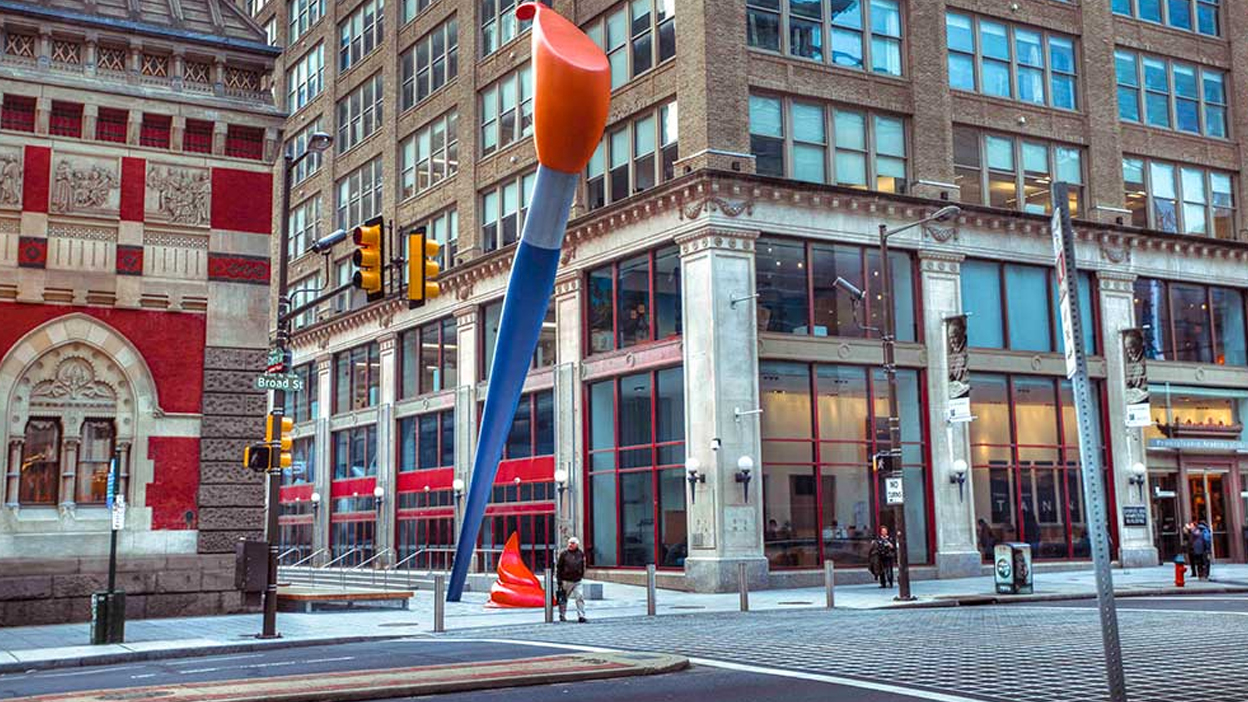
Philadelphia may pose challenges for those desiring a uniform community vibe and predictable neighborhood character. The city’s social and economic segmentation fosters diverse and shifting neighborhood dynamics. Residents expecting stable homogeneity—in terms of values, income levels, or social patterns—might find Philadelphia’s diversity disorienting or difficult to navigate.
People preferring tranquil suburban-style living or small-town social cohesion often experience Philadelphia’s density and urban activity as overwhelming. Its segmented social networks require active personal effort to access. Those expecting community to form naturally without engagement may feel isolated or disconnected.
Residents sensitive to economic inequality or those drawn to visually cohesive neighborhoods might find Philadelphia’s layered urban character jarring. The city’s range of income levels, building conditions, and social dynamics across neighborhoods reflects complex histories and ongoing change. People seeking slow, predictable daily rhythms may also struggle as Philadelphia’s pace varies markedly by sector and neighborhood.
While Philadelphia retains some cost advantages compared with larger metropolitan areas, living expenses and housing costs present difficulties for lower-income individuals. For residents earning less, the relative affordability may still feel restrictive amid rising rents and mixed economic circumstances.
These elements shape some of the living in Philly pros and cons frequently cited as obstacles. The question “Is Philadelphia a good place to live” necessarily encompasses whether these urban realities align or clash with individual expectations and tolerance.
Conclusion
Ultimately, whether Philadelphia is a good place to live depends on the match between personal preferences and the city’s particular urban character and rhythms. Philadelphia does not offer a single uniform experience but a patchwork of neighborhoods each with distinct social, physical, and cultural environments.
Understanding this city’s lived realities—the interplay of daily commutes, social segmentation, diverse work patterns, and the textured physical environment—provides a grounded way to assess fit beyond generic living in Philly pros and cons lists. It invites reflection on one’s appetite for neighborhood engagement, tolerance for urban intensity, and integration of work and lifestyle.
For those moving to Philadelphia, this deeper insight into actual city life complements practical measures like employment options and financial planning. Philadelphia rewards residents willing to actively shape their experience and embrace its complexity while potentially challenging those seeking uniformity and predictability.
In this light, “Is Philadelphia a good place to live?” becomes a question answered not by broad consensus but by personal alignment—anchored in how the city’s distinct neighborhoods and daily realities resonate with the rhythms, routines, and relationships each resident seeks.