
Moving to Oakland is far more than the physical act of relocating belongings from one place to another. It involves a series of emotional and social adjustments that shape how newcomers experience this vibrant urban environment. Understanding what to expect when moving to Oakland can help ease the transition and provide clarity during the natural process of adapting to a new city.
Living in Oakland means stepping into a setting defined by distinct rhythms, diverse communities, and unique challenges. The adjustment phase after moving to Oakland is as crucial as the move itself. It brings surprises, moments of confusion, and gradual shifts in daily patterns that shape your connection to the city. This guide focuses on those personal and emotional facets of settling in Oakland, beyond just logistics.
The First Weeks: Initial Impressions and Reality Checks
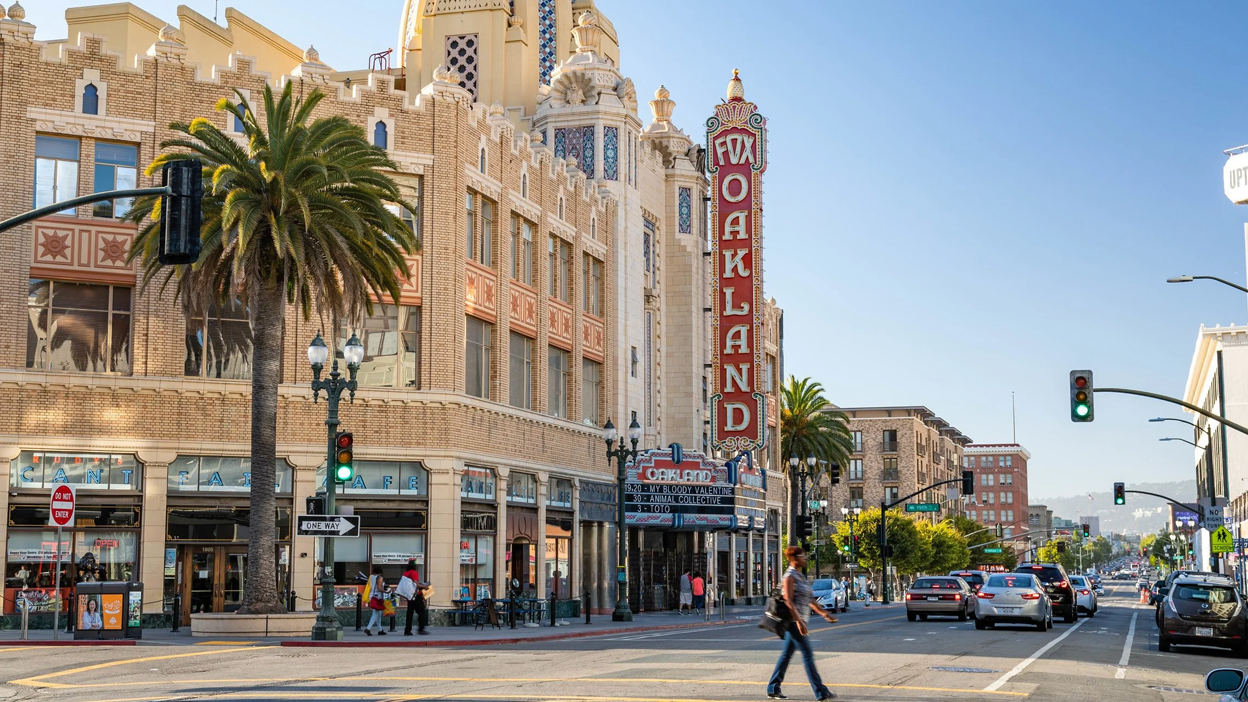
When you first arrive in Oakland, expect your senses to encounter a new urban atmosphere. The city’s soundscape is alive with the hum of activity — street vendors, traffic sounds, and distant sirens create a persistent background noise typical of many Bay Area urban centers. This ambient noise reflects the city’s “high-pressure system” feel: fast-moving and buzzing with energy.
The pace of life here often feels intense compared to quieter or less dense places. Sidewalks teem with pedestrians, vehicles flow steadily but with intermittent congestion, and neighborhoods display a compactness where residential, commercial, and cultural spaces overlap. This spatial density may initially feel overwhelming or unfamiliar, especially if you are accustomed to more spread-out or suburban environments.
In those first weeks, small surprises can arise. Commuting may prove more complicated than expected, with erratic traffic and public transit quirks demanding patience. Neighborhood dynamics — from street culture to parking challenges — can reveal themselves as intricately layered. For some, the early reality of high housing costs can influence how they perceive their lifestyle options, shifting expectations and daily priorities quickly.
All these elements underscore what to expect when moving to Oakland: a dynamic urban experience that tests initial assumptions and urges newcomers to adapt swiftly to the city’s rhythms.
Adjusting to Daily Routines
Living in Oakland requires recalibrating many familiar daily routines. Commuting to work or school, for instance, often involves confronting Bay Area traffic congestion that residents sometimes describe as “soul-crushing”. Peak travel times demand careful scheduling and mental preparation. Many find themselves experimenting with departure times or alternative transit options to reduce stress.
Recognizing these emotional phases as common parts of the moving experience can ease self-imposed pressure and help normalize moments of struggle during adjustment.
How Long It Usually Takes to Feel Settled
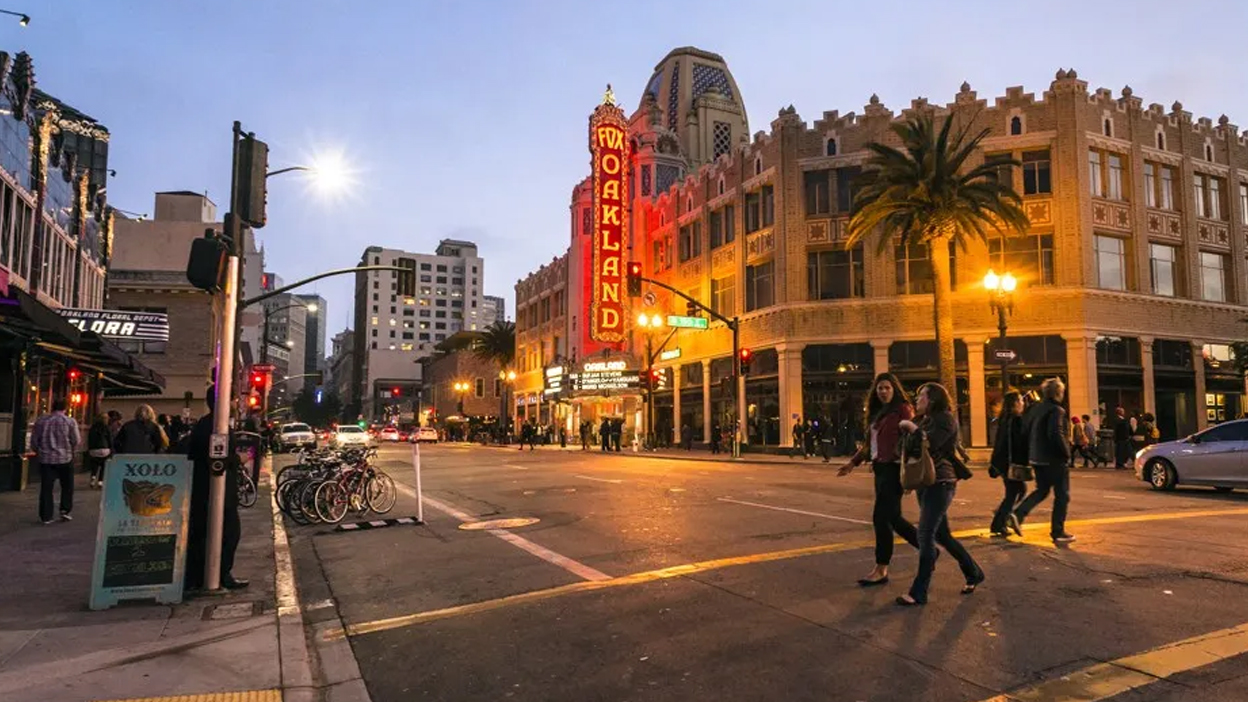
Settling into Oakland does not happen on a fixed timeline. The process is deeply personal and varies widely between individuals.
Feeling settled involves layering different forms of familiarity: developing trusted routines, establishing social ties, and reaching emotional comfort with the city environment.
Adjustment is ongoing rather than a destination. Each new experience adds to a growing sense of home
that may evolve over months or even years depending on personal circumstances, background, and openness to change.
Instead of looking for an endpoint, appreciating the gradual nature of adaptation supports a healthier and more realistic approach to living in Oakland.
What Helps the Transition Feel Easier
Several approaches can make moving to Oakland feel less daunting and accelerate emotional and social adaptation.
Establishing consistent daily routines helps create stability in an otherwise fast-paced urban context. Regular schedules for commuting, shopping, and leisure activities provide grounding.
Patience is crucial. Accepting that frustrations and surprises will occur reduces stress and allows you to navigate challenges with a calmer mindset.
Exploring different neighborhoods and attending community gatherings or events nurtures a sense of belonging. Gradual discovery fosters curiosity and connection rather than pressure to fit in
immediately.
These strategies focus specifically on adapting to Oakland’s urban environment and its rich social fabric, offering practical mindsets and behaviors that align with city life.
Conclusion
What to expect when moving to Oakland involves navigating a complex blend of sensory, social, and emotional adjustments. Feeling unsettled soon after relocation is a normal and common experience that varies for each person.
This initial phase does not reflect a wrong move or personal failure but represents a natural part of integrating into a new urban environment.
Over time, with patience and openness, familiarity with Oakland develops naturally. Connections deepen, routines become second nature, and living in Oakland shifts from unfamiliar territory to a place you can truly call home.