
For anyone wondering what to expect when moving to Maryland, it is less a sudden shift and more an emergence of daily life that gradually feels distinct. This experience is not marked by a singular moment of arrival but by the slow gathering of new rhythms, sensory impressions, and emotional adjustments that unfold over weeks and months. Situated firmly within East Coast living, Maryland carries with it a unique blend of cultural layers and environmental textures—offering a fabric of life that is both familiar and subtly new.
This article invites you to step into the lived experience of relocating here, observing how your sense of time, space, and community softens and evolves. Rather than a checklist or a guide, it explores the gradual realignment of habits, moods, and daily flow that quietly shape what it feels like to call Maryland home.
How Daily Life Begins to Feel Different in Maryland
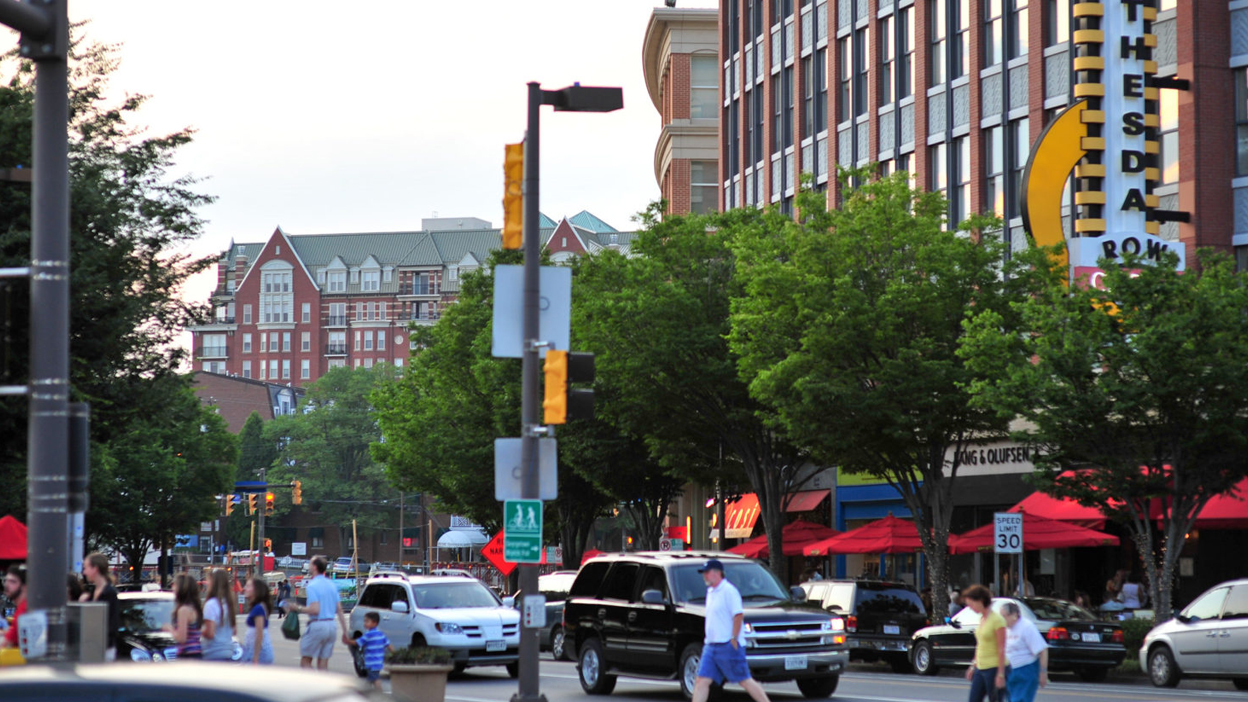
Moving to Maryland reveals itself slowly through the everyday. In the earliest days, there is a gentle unfolding of new temporal rhythms. The blend of urban energy near Baltimore and Washington, D.C. contrasts sharply with the quieter, more spacious suburban pockets, and the easy calm of the Chesapeake shoreline.
Mornings here can carry a certain sharpness within the city corridors, where the rush meets routine, and the air hums with the tension of schedules and traffic. Yet just beyond those belts, mornings soften—early light filters through leafy streets with a slower grace, or drifts over dew-kissed fields near the bay, where the pace feels less urgent.
The shift in how time feels is subtle but persistent. The timing of dawn, softened by seasonal changes, signals when the day might begin — not just in alarms, but in the weight of light on your skin and the stickiness of Maryland humidity that seems to cling on summer mornings. This humidity is at once a physical presence and a mood—it hushes movement slightly, inviting a gentler step or a longer pause. Through spring and summer, you might notice evenings stretching late, golden hours nudging social rhythms outward, while winter brings a cooler slowness to the days, compelling indoor stillness and reflective quiet.
Space also recalibrates in a lived way. Maryland’s unique blend of compact, walkable hubs and wide suburban or rural sprawl challenges your previous sense of distance. In pockets like Towson or Annapolis, you can feel the draw of shorter walks and clustered errands, the tactile ease of streets lined with familiar shops and neighbors. Yet, just an hour’s drive away, open stretches and winding roads reshape your sense of proximity. Places you used to think of as “near” now take on a measured intentionality. This layered spatial rhythm can initially confound but slowly becomes familiar—a shifting dance between closeness and spaciousness.
Beneath this drift lies a quiet easing of financial tension. Maryland cost of living settles into the background, a subtle shift in emotional weight more than a visible ledger. The day-to-day expenses no longer press as tightly on the shoulders, allowing routines to breathe with a little more freedom. This financial ease—never a loud presence—softens the broad canvas of new daily rhythms, coloring the experience with a sense of possibility rather than urgency.
Each small change—the warmth of summer air mingling with salty breezes, the occasional sharpness of crisp fall mornings—layers into a time and pace that is distinctly Maryland. The changes do not announce themselves all at once; rather, they accumulate, deepening your sense of place with gentle, persistent unfolding.
Regional Differences Within Maryland’s Fabric
Maryland is a tapestry of diverse landscapes and atmospheres, each region carrying its own quiet personality, all woven together into a state-level rhythm. The Chesapeake Bay, with its sprawling watery edges, offers a subtle invitation to slower, more reflective rhythms. Here, the salt air drifts through mornings, softening the sharp edges of daily life. Many mornings carry a quiet stillness, broken only by the distant call of gulls or the gentle slap of waves, which encourages a pace measured in tides rather than minutes.
To the east, the Eastern Shore unfolds with a different temperament. This rural and agricultural expanse feels timeless—its slow-moving tides and shifting marshes set a pulse that invites patience and a lingering gaze. Life here unfolds with less urgency, the landscape’s slow turns teaching new habits in waiting and watching—a social rhythm wrapped in the cadence of nature.
In sharp contrast lie the rolling Appalachians foothills in western Maryland. These wooded hills offer cooler shade and a measured, deliberate pace. The air often carries the scent of pine and earth, fostering a mood of quiet endurance and temperance. Transitions between seasons feel sharper here, and routines string out according to the shifting light.
Suburban neighborhoods introduce structured yet moderate social punctuations: routine gatherings in local parks, schools, and weekend markets mark passage of time and seasons, layering familiarity within routine rhythms. Here, relationships are woven in steady increments, nurtured through repeated encounters more than spontaneous events.
The urban corridors pulse with a dynamic social energy, marked sometimes by bustle and transient encounters. Connections may feel fragmented at first, shaped by fast beats and diverse crowds—yet even here, a deeper pattern often reveals itself through persistence and shared routines, transforming initial unfamiliarity into a tapestry of relational threads.
For many newcomers, the process of settling into Maryland’s social rhythm is measured and personal. It unfolds quietly beneath everyday life, with community ties forming through moments of work, interest, and place-based traditions. The social landscape, vibrant yet nuanced, offers spaces for belonging that are discovered more than instantaneously gifted.
Amid this lived social fabric, the state hums with movement—thousands of people relocating within the region annually—which creates a continuous, quiet evolution in relationships. This flow enhances Maryland’s communal character as a place where connection is a journey rather than a fixed spot.
Who Tends to Adapt Comfortably to Maryland’s Rhythm
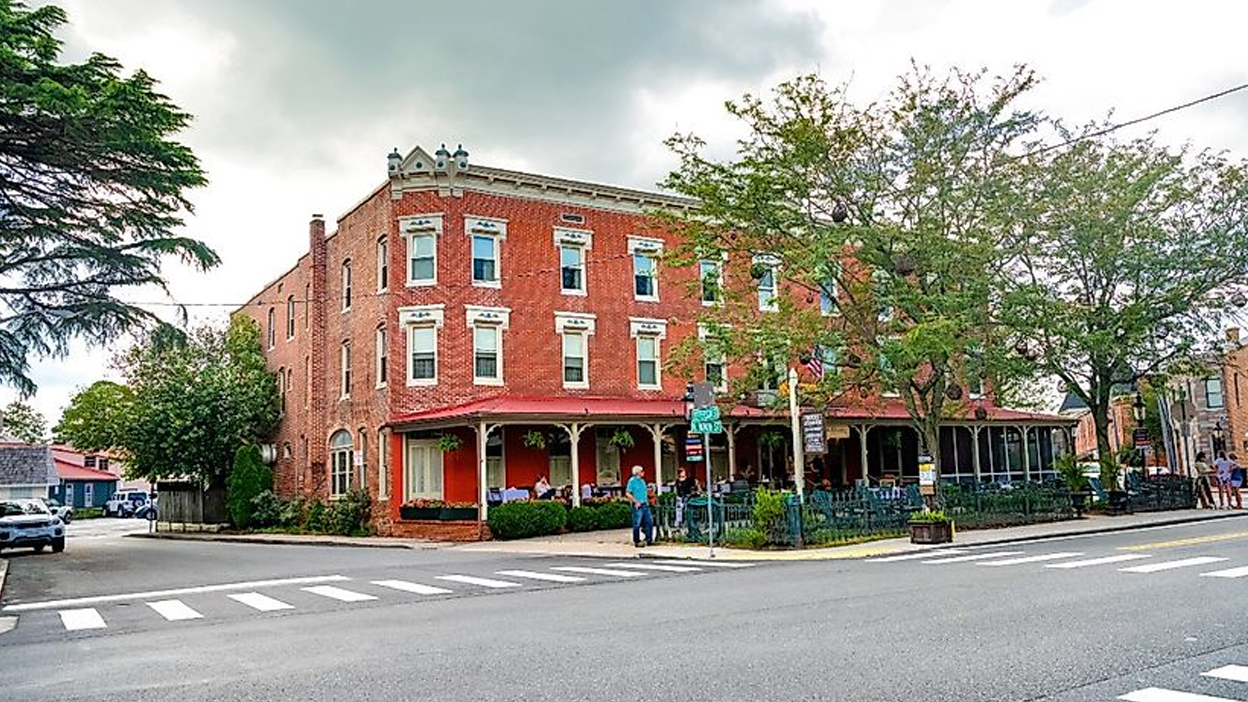
Living in Maryland often suits those who appreciate the state’s measured blend of seasons and landscapes—the folks who find energy in its gentle shifts rather than in constant change. People who value balancing moments of urban activity with ready access to nature’s calm often discover a comfortable fit here.
Those who welcome a gradual layering of community ties and evolving routines tend to settle more easily. Maryland rewards openness to moderate changes in pace: an ability to move from the urgency of metropolitan corridors to the slower breath of bays, forests, or hills. It favors adaptability rather than insistence on rigid schedules or immediate social belonging.
A mindset attuned to the layered qualities of East Coast living—someone who senses both cultural vibrancy and environmental texture as complementary forces—may find this state’s rhythms naturally compatible. Whether drawn to the reflective quiet of the Chesapeake or the dynamic pulse of urban life, these residents weave their own daily flow in sync with Maryland’s multifaceted spirit.
Who May Need More Adjustment Time
In contrast, moving to Maryland can present challenges for those whose prior rhythms diverged sharply from its ebb and flow. People accustomed to consistently rapid urban life with little seasonal fluctuation might find the gradual shifts in Maryland’s days unusual. The temperate but persistent humidity, the marked seasonal backdrop, and the spatial stretches requiring more deliberate travel can contrast with their previous environments.
Likewise, those coming from very tranquil, unchanging rural settings—where pace and place feel nearly constant—may experience friction in adjusting to Maryland’s varied geography and shifting community energies. The nuances in light, temperature, and social pattern might seem more demanding or fragmented than familiar.
These contrasts, however, are less about shortcomings than natural experiential difference. Adjustment unfolds over time—a process of harmonizing personal tempo with place, often requiring patience and openness. Moving to Maryland calls for a steady cultivation of attunement to its unique tempo, a journey rather than an instant change.
Conclusion
Ultimately, what to expect when moving to Maryland is a rich, nuanced experience—the gradual emergence of new daily rhythms shaped by the state’s environment, pace, and community fabric. It is an invitation to settle into a place where the slow blending of climate, space, social ties, and mobility fuses quietly into everyday habit and feeling.
Maryland’s layered character—its bays and hills, cities and countryside, changing seasons and shifting social textures—becomes a subtle canvas on which new lives and routines take shape. For those moving to Maryland, embracing this unfolding nature offers entry into a richly textured sense of home.
As part of broader East Coast living, Maryland’s tempo and spirit build a complex, calming pulse that reveals itself softly over months, inviting you to find your place within its gently realigned time, space, and community.