Moving to Long Beach is more than just packing boxes and signing leases. What to expect when moving to Long Beach involves engaging with its unique blend of urban, suburban, and coastal environments. This mix creates daily life rhythms that differ from other cities, affecting everything from your commute to your weekend plans.
Living in Long Beach means preparing not only physically but also mentally and emotionally. The first few months bring important adjustments beyond logistics—adjusting your senses to new surroundings, adapting routines, navigating social landscapes, and managing an emotional roller coaster that is part of relocation. This post digs into these lived experiences to give you a detailed understanding of what moving to Long Beach really entails.
The First Weeks: Initial Impressions and Reality Checks
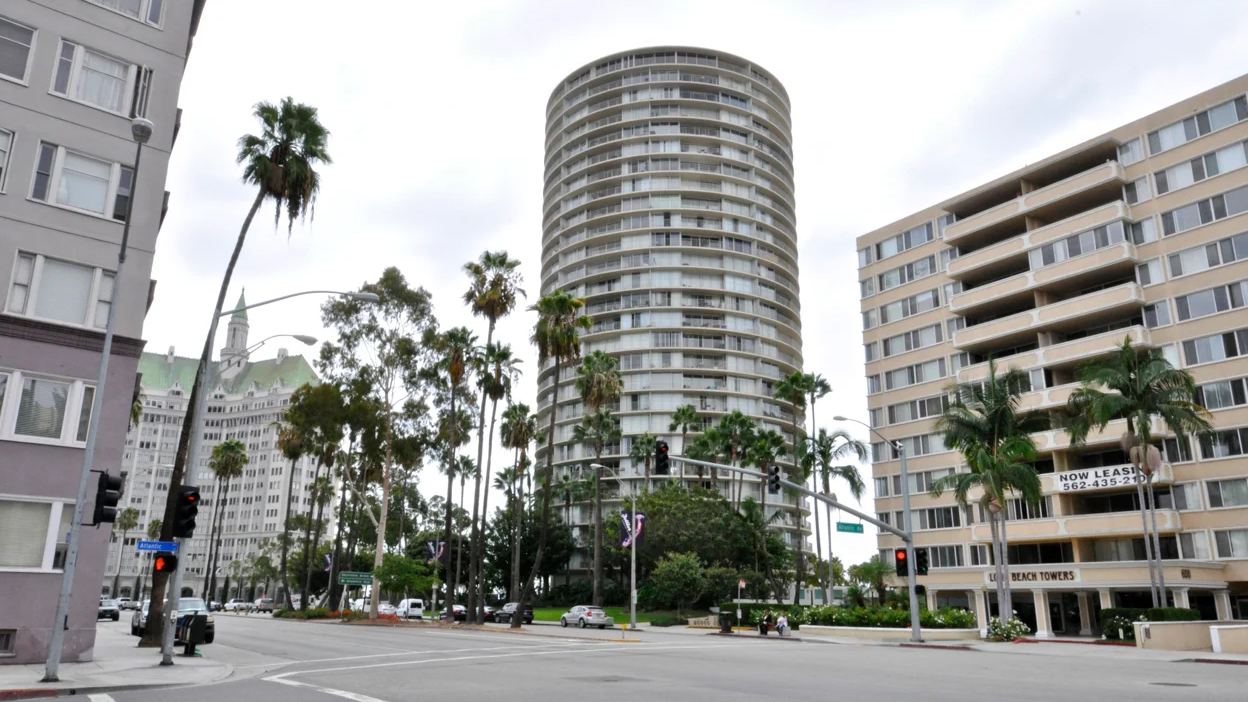
One of the first things people notice when moving to Long Beach is the sensory backdrop that defines daily life here. The salty coastal air carries the distant cries of seagulls and the steady rhythm of ocean waves. These natural soundscapes mix with the urban buzz, forming a complex sensory texture. Downtown Long Beach pulses with activity—street vendors, music from open storefronts, and a steady flow of pedestrians—while neighboring residential areas bring quieter streets lined with trees and echoes of children playing.
This contrast highlights the city’s layered nature. As you explore, you’ll find that the pace here feels more relaxed than other large metro regions nearby, but it also varies widely by neighborhood. This creates a phenomenon we call “early disorientation.” It’s the moment newcomers might feel a bit confused or surprised by how different areas of Long Beach embody distinct vibes.
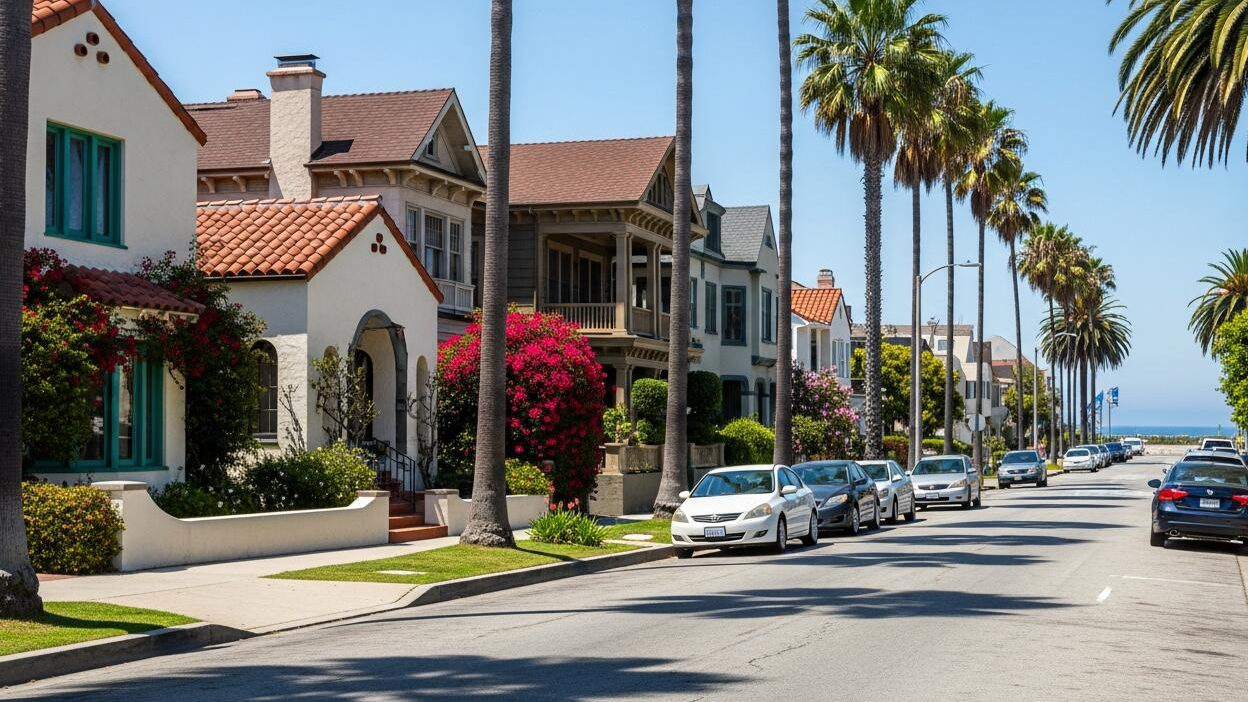
For example, the walkable streets filled with local coffee shops and vintage stores in Retro Row reveal an artsy, eclectic atmosphere. Meanwhile, suburban pockets like Los Altos offer quieter enclaves with more spread-out residential streets. This disparity challenges initial assumptions, especially if you come from a more uniformly urban or suburban place.
What makes early disorientation more pronounced are subtle cultural and routine differences. Traffic patterns, for instance, are not uniform: rush hours can behave differently depending on where you are. Local customs also vary—markets and cafes might have unique rhythms, from bustling weekend farmers markets to midweek neighborhood meetups. The blend of industrial zones with creative spaces adds another layer to Long Beach’s character that newcomers might not expect at first.
These first impressions form a palate that shapes how you approach daily life in Long Beach—and understanding them helps set realistic expectations about your adjustment period.
How Long It Usually Takes to Feel Settled
Feeling settled in Long Beach is a gradual and deeply personal experience. There isn’t a fixed timeline that applies to everyone. Some newcomers report feeling at home within a few months, while others may take a year or more.
Settling involves two main dimensions. The first is practical mastery—comfortably navigating daily logistics, errands, commuting, and local services. The second is emotional acceptance—the sense that this place can be home
, with security and joy tied to neighborhood rhythms, social circles, and personal habits.
It’s helpful to view settling not as a fixed endpoint but as an evolving process. Even after feeling largely adjusted, new residents often discover fresh surprises or deeper charms as they continue exploring Long Beach’s multifaceted community life.
What Helps the Transition Feel Easier
Certain attitudes and strategies smooth the adjustment when moving to Long Beach. First, patience with oneself is essential. Giving space for trial, error, and emotional fluctuations eases pressure in the early months.
Second, embracing the city’s unique combination of urban, suburban, and coastal elements enhances appreciation of its rhythms. Instead of expecting uniformity, newcomers thrive by identifying favorite neighborhoods, parks, or cafes to anchor their daily lives.
Third, setting realistic expectations about timeframes for adjustment helps manage frustration. Understanding that connection and comfort take weeks or months invites persistence and kindness toward oneself.
Finally, engaging actively with local communities accelerates belonging. Exploring Long Beach’s arts events, cultural festivals, neighborhood chats, or outdoor activities connects people meaningfully. Unlike generic relocation checklists, this approach centers on emotional and social integration, crucial for lasting satisfaction.
Conclusion
What to expect when moving to Long Beach involves a complex blend of sensory, practical, social, and emotional adjustments. Initial uncertainty, moments of discomfort, and feelings of isolation are normal and do not reflect failure or mismatch with the city.
Living in Long Beach unfolds through a rhythm unique to its mixed urban-suburban-coastal environment. Moving to Long Beach means navigating an ongoing journey—from early impressions to gradual mastery—that culminates in a personal and rewarding experience.
Relocating here is not just about logistics but about embracing a process that reshapes daily life and emotional landscapes over time. Understanding this prepares newcomers not only for what to expect when moving to Long Beach but also for the fulfilling life that can follow.