
Deciding where to live in Pennsylvania is far more than a choice based on popular rankings or external opinions. It is a deeply personal decision shaped by individual lifestyle needs, work demands, budget considerations, and social preferences. From dynamic urban centers to balanced suburban neighborhoods and peaceful rural landscapes, Pennsylvania offers a remarkably diverse spectrum of living environments. Each presents its own character, pace, and unique blend of opportunities and trade-offs.
This guide aims to help you explore how to choose where to live in Pennsylvania by connecting your personal priorities to the essential qualities of various types of places and regions across the state. By carefully assessing your daily lifestyle preferences, geographic priorities, economic realities, and social environment, you can develop a thoughtful framework to decide what fits best—not simply what seems popular or superficially attractive.
Throughout this piece, we will discuss these dynamics alongside key considerations about PA cost of living, without prescribing specific locations. Instead, you will find guidance to evaluate which kind of environment aligns with your needs and aspirations.
Daily Lifestyle Priorities: Urban, Suburban, and Rural Living in Pennsylvania
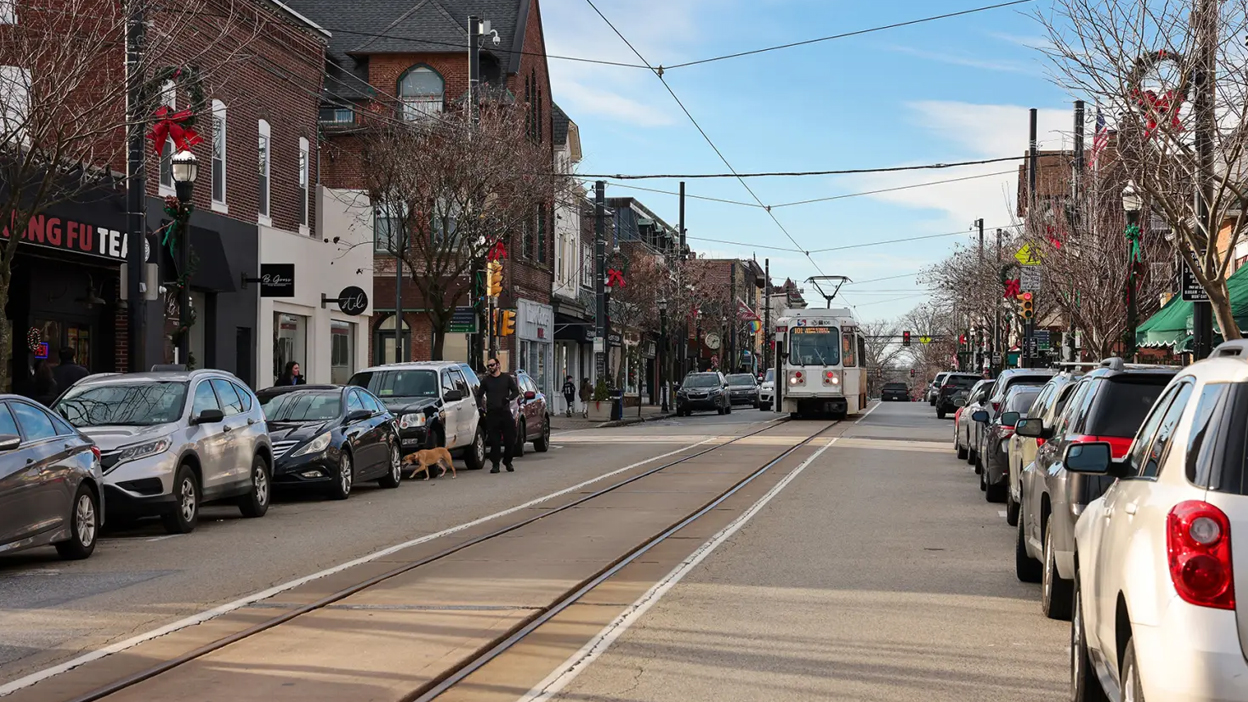
Choosing where to live in Pennsylvania begins with reflecting on your daily lifestyle rhythms and what you need from your surroundings. Broadly, Pennsylvania offers three primary living environments: urban, suburban, and rural. Each comes with distinct rhythms, amenities, and challenges that influence day-to-day experiences.
Urban Living: Immediate Access with a Faster Pace
Urban living in Pennsylvania’s cities generally means access to a vast array of services, employment opportunities, and cultural institutions within walking distance or a short public transit ride. These areas typically have lively social scenes, numerous dining options, theaters, museums, and diverse communities. For someone who thrives on connectivity and variety, urban environments provide an energetic and engaging lifestyle.
However, this vibrancy accompanies trade-offs. Urban residents often cope with busier streets, elevated noise levels, and more limited personal space—both inside the home and outdoors. The pace tends to be faster, and the environment can feel crowded and impersonal at times. These factors shape how daily routines unfold, especially if tranquility or privacy ranks high on your list.
Suburban Living: The Balance of Convenience and Community
Suburban areas in Pennsylvania tend to strike a balance between urban accessibility and residential calm. They offer proximity to city job centers along with more spacious housing, yards, schools, parks, and a quieter atmosphere. Suburbs can be ideal for families or those seeking a blend of community-oriented features with relative convenience.
Importantly, many suburban communities are evolving beyond commuter towns. Emerging tech hubs and growing business districts within suburban environments create new opportunities for employment close to home. This development potentially reduces long commutes and shifts traditional suburban routines.
Yet, suburban living usually involves some degree of car dependency, especially where public transportation is limited. It also means living in neighborhoods where social ties are often stronger and slower paced than in cities, but without the full privacy that rural settings provide.
Rural Living: Tranquility, Privacy, and Nature
For those who prioritize quietness, privacy, closeness to natural surroundings, and lower living expenses, rural Pennsylvania offers distinct appeal. Life here often revolves around wide-open spaces, minimal traffic, and a calm daily rhythm. The pandemic’s surge in remote work has further increased the feasibility of rural living, allowing more people to embrace these areas without giving up employment security.
That said, rural residents face significant compromises including longer travel times for work, groceries, healthcare, and entertainment. Public transit is usually absent, so car ownership is essential. Access to some professional services and amenities may be limited or require extended drives.
Reflecting on Lifestyle Trade-Offs
Across urban, suburban, and rural settings, the question is about which trade-offs you can accept or prefer.
Does your daily routine thrive on constant accessibility and social interaction, or do you seek peace and space? Are you comfortable with a faster environment full of stimulation, or do you favor predictability and calm?
Recognizing these lifestyle nuances forms the foundation for evaluating where in Pennsylvania you might find your place.
Geography and Regional Differences across Pennsylvania
Understanding Pennsylvania’s geography adds another dimension to choosing your ideal living environment. The state’s landscape is varied—mountainous regions, fertile valleys, winding rivers, and extensive state parks imbue it with diverse recreational and climate experiences.
Life Stage and Social Preferences
Social needs evolve. Young adults often gravitate toward the amenities and dynamic communities of cities. In contrast, older residents frequently prefer the space, peace, and continuity found in suburban or rural settings. Recognizing your own social priorities in context with life stage helps clarify which environment truly fits.
Finding Your Social Fit
Ultimately, comfort with the social environment—whether it be the bustling anonymity of urban life or the intimate familiarity of a small town—is fundamental. Personalities vary widely; what one person finds isolating, another finds liberating. Assess what makes you feel at ease and engaged socially as part of your decision-making process.
Short-Term vs Long-Term Living Considerations
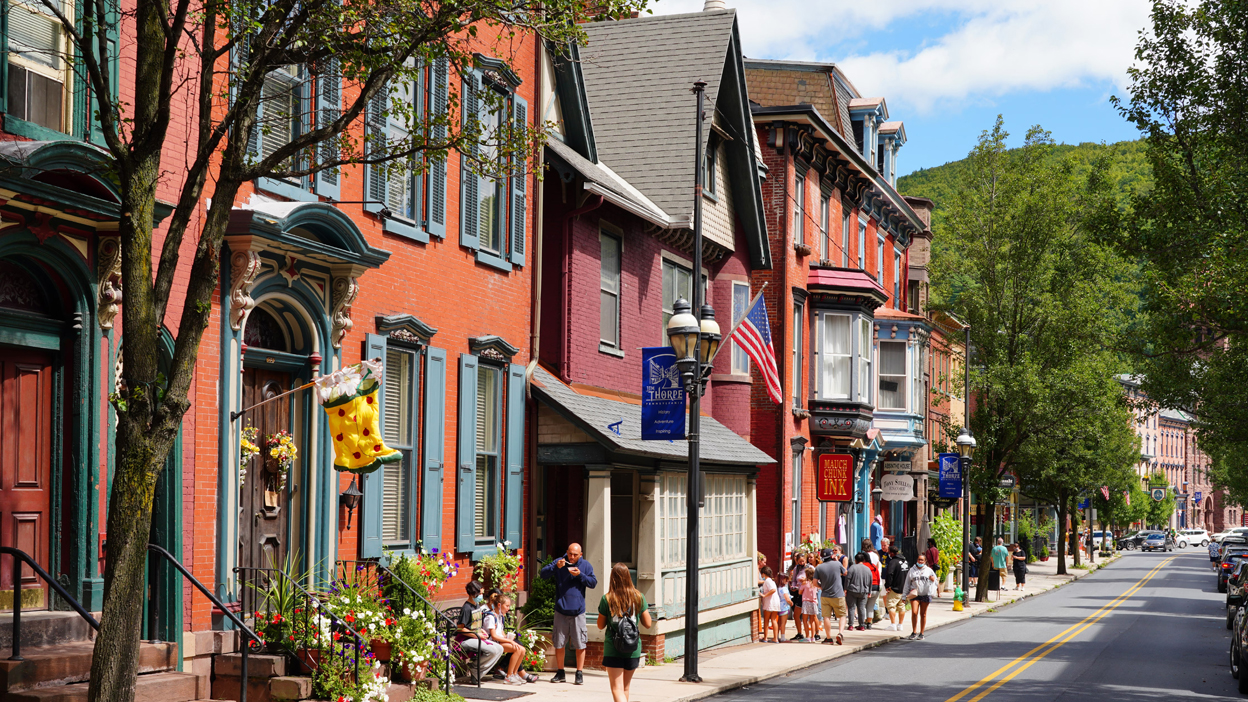
The nature of your move—temporary or permanent—shapes the weight you give to different factors in choosing a Pennsylvania home.
Temporary Stays Focus on Convenience and Access
If your relocation is short term, priorities might lean toward areas with immediate conveniences: accessible workplaces, social integration opportunities, and a ready array of services. Urban and established suburban locales often meet these criteria best, facilitating rapid adjustment.
Long-Term Moves Demand Flexibility and Forward Thinking
Permanent moves require an outlook that anticipates life changes: family growth, evolving work conditions, lifestyle priorities shifting with age. Here, adaptability matters. Pennsylvania’s diversity means residents can shift between urban, suburban, and rural settings without leaving the state, offering the possibility of relocation within state boundaries as needs change.
Choosing where to live with a long-term perspective includes weighing access to healthcare, education, green spaces, and economic resilience. Recognizing that your preferences and practical needs might evolve can ease the pressure of getting “it” completely right immediately.
Practical Ways to Narrow Down Your Options in Pennsylvania
Developing a clear self-assessment framework offers a constructive path to narrowing your living choices.
Reflect on Core Dimensions
Identify what matters most across several key areas:
- Pace of daily life: fast and vibrant or slow and steady?
- Work and commute: proximity required, flexibility with remote options?
- Social environment: diverse and dynamic or familiar and small-scale?
- Budget realities: housing, transportation, taxes, and daily costs?
- Connection to nature: essential proximity or nice-to-have?
Honest reflection here helps ensure your choice aligns with your authentic preferences.
Experience Potential Locations Directly
Spend time visiting areas you are considering in different seasons and times of day to gauge atmosphere, community feel, and practical conditions. Observe commute times firsthand, explore local amenities, and assess outdoor access relative to your preferences.
This immersive approach reveals nuances and surprises that online research or data alone cannot provide.
Embrace Patience and Openness
Resist pressures to rush or overly simplify complex trade-offs. Accept that no one factor will dominate your decision. A multifaceted view complemented by experience fosters a durable and satisfying outcome.
By combining thoughtful self-evaluation with real-world exploration, you stand a better chance of selecting a location that feels like home, not merely convenient.
Conclusion
Selecting a place to live in Pennsylvania ultimately reflects a deeply personal journey. There is no universal solution—only the pursuit of alignment among your lifestyle preferences, practical necessities like work, budget, and transportation, and the distinctive character of communities across the state.
Pennsylvania’s hallmark is its genuine diversity, allowing residents to find resonance whether drawn to the energy of urban centers, the balance of suburban life, or the tranquility of rural settings. This variety invites an approach grounded in self-knowledge, openness to experience, and adaptability to evolving circumstances over time.
Trusting your own reflective process, committing to meaningful exploration, and maintaining flexibility can guide you to a living environment that supports not just your immediate needs but your evolving lifestyle aspirations in this richly varied state.