
Deciding how to choose where to live in Indiana is a deeply personal process that goes far beyond glancing at popular rankings. While many seek out the “best places to live in Indiana” lists, these often fail to capture the nuances that truly determine whether a community fits your life. Instead, the most meaningful choice arises from reflecting on your individual lifestyle preferences, daily habits, and values—then finding a location where these can thrive.
Indiana’s diverse living environments, ranging from vibrant urban centers to tranquil rural communities, offer distinct experiences and trade-offs. This variety, paired with the state’s geographic compactness, means that nearly all residents live within a short drive of metropolitan areas. Such a setting uniquely enables blending the benefits of urban amenities with the character of quieter surroundings. Understanding how to filter these options according to what matters most to you is essential in making a fulfilling choice about where to live in Indiana.
Daily Lifestyle Priorities: Urban, Suburban, and Rural Living in Indiana
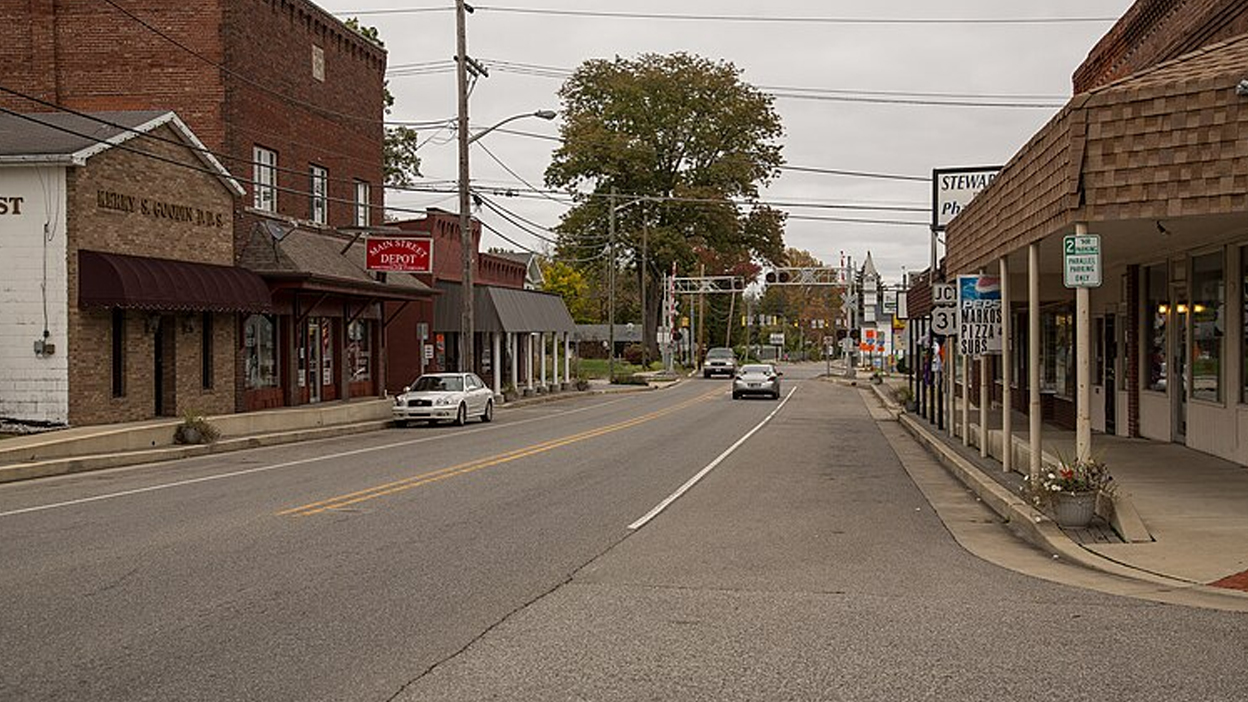
One of the clearest ways to frame your decision about living location in Indiana is by considering the type of community that best aligns with your routines and preferences. Broadly, Indiana’s population clusters into three community settings: urban, suburban, and rural, each shaping daily life in distinct ways.
In urban areas, typically represented by large metro centers such as Indianapolis, high population density concentrates amenities, cultural institutions, and services. Residents enjoy close proximity to restaurants, healthcare, entertainment, and professional opportunities, minimizing travel times for many daily needs. This environment suits those who prioritize convenience and thrive amid dynamic, bustling settings.
Suburban communities strike a balance, often found on the periphery of urban areas. Their moderate population density allows access to city employment and services without the intensity of downtown living. Suburban neighborhoods provide a quieter atmosphere and more living space, appealing to individuals or families seeking a blend of access and calm. However, this balance often comes with moderate commute times and trade-offs in access frequency and variety of amenities.
Rural living presents a notably different daily rhythm. Areas with lower population density offer expansive land, fewer neighbors, and a quieter pace. Economies here lean toward agriculture, manufacturing, and other resource-based industries. While residents gain privacy and open space, they often navigate longer distances to reach schools, healthcare, shopping, and entertainment. The slower pace and reduced convenience are central characteristics of rural lifestyles.
None of these settings is inherently “better” or more desirable; each embodies a different set of trade-offs. Urban dwellers exchange space and quiet for convenience, rural residents accept travel distances in return for openness, and suburbanites seek a middle ground. Your decision about where to live in Indiana should emerge from a clear understanding of your priorities and how these lifestyles align with your typical routines and values. These choices also intertwine with the Indiana cost of living, as daily lifestyle demands affect expenses related to housing, transportation, and services.
Geography and Regional Differences Across Indiana
Indiana’s geographical diversity adds another dimension to considering where to settle. Although the state is relatively compact, containing areas within close reach of metropolitan centers, its landscape and regional features vary notably across north, central, and south.
Northern Indiana’s proximity to Lake Michigan introduces lakeshore recreational opportunities and influences its lifestyle offerings. Residents here might integrate lake access, boating, and associated leisure activities into their daily or seasonal routines.
Central Indiana features broad plains interspersed with agricultural lands and smaller manufacturing towns. This region often serves as a crossroads of urban and rural influences, offering a range of community types within reasonable distances of each other. It holds significant concentration of metropolitan amenities especially near Indianapolis.
Southern Indiana introduces more varied topography, including hill country, forests, and river valleys. This region’s natural features appeal to those valuing varied outdoor environments, hiking, and scenic landscapes.
Considering Short-Term Versus Long-Term Living in Indiana
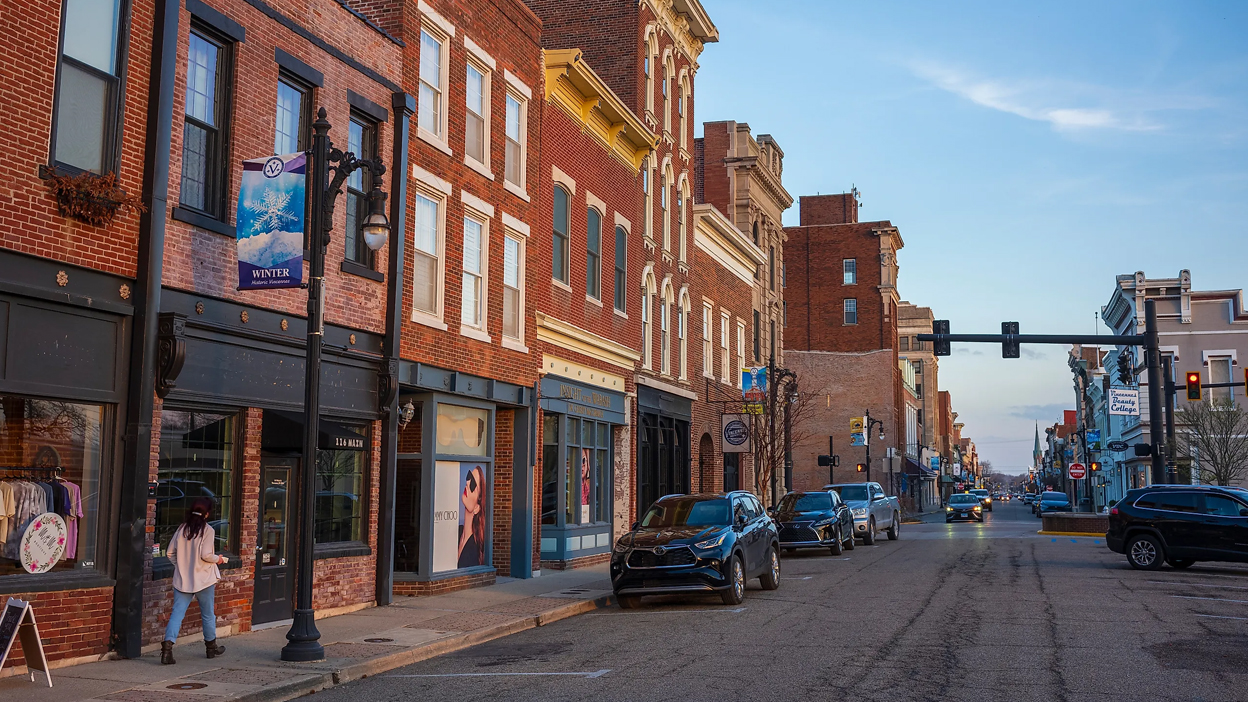
Your timeframe for living in a place matters significantly in shaping your location priorities. Short-term residency—whether a few months to a few years—often focuses on flexibility, immediate convenience, and temporary needs.
Those moving temporarily might prioritize access to rental markets with flexible lease terms, proximity to specific workplaces or educational institutions, and vibrant social scenes welcoming newcomers.
In contrast, permanent residences require deeper consideration. Long-term decisions involve evaluating community stability, prospects for growth, quality of local schools, healthcare infrastructure, and the potential for housing to retain or gain value. You may also reflect on how the community fits your life stage and anticipated changes in family, health, or career over time.
Flexibility remains important even then. The best long-term locations often allow adaptable living arrangements, such as opportunities to upsize or downsize housing, and social infrastructures capable of supporting evolving needs.
Taking a reflective approach—balancing today’s realities with possible future scenarios—helps avoid rushed decisions or commitments misaligned with your broader life goals when determining where to live in Indiana.
Practical Approaches to Narrowing Down Options in Indiana
With so many factors at play, forming your own decision-making framework is vital. Begin by clarifying your daily routines and commute tolerance. Consider what amenities and services you use most frequently and how much travel you are comfortable with. Next, reflect on your social interaction preferences—whether you cherish community closeness or thrive amid diversity and fast-paced environments.
Identify the natural surroundings that enhance your quality of life: Are lakes, rolling hills, open plains, or forests essential to your well-being? Balance this with realistic economic considerations, examining your budget across housing, transportation, utilities, and access to services. Factor in work requirements, especially the degree to which your employment demands proximity or allows remote flexibility.
Finally, assess your current life stage alongside anticipated changes—whether starting a family, raising children, or retiring—and how these will influence your needs moving forward.
Beyond self-assessment, invest time in immersive exploration. Visit potential communities not just once but on different days and times. Observe daily life rhythms, talk with locals, visit shops and restaurants, and imagine your daily routine unfolding there. These experiences provide invaluable insights that no statistic or online listing can fully convey.
Use reputable resources to support your exploration. The CDC’s urban-rural classification, census data on population distributions, RUCA commuting codes, and regional economic reports offer structured data to supplement your impressions and set realistic expectations about demographics, economy, and infrastructure.
Patience and openness are essential throughout this discovery process. Combining thoughtful reflection, experiential learning, and objective information guides you toward a location that genuinely fits your lifestyle, including considerations of the Indiana cost of living.
Conclusion
Indiana does not offer a universally “best” place to live. Rather, the satisfaction found in a location depends on how well the community’s characteristics align with your unique life rhythms, social preferences, economic reality, and future aspirations.
A reflective, honest examination of your daily habits, where and how you prefer to connect with others, the affordability of your lifestyle, and your long-term goals provides the clearest path to choosing the right place to live in Indiana. The state’s geographic compactness uniquely enables most residents to enjoy metropolitan amenities and quaint small-town features within reasonable reach, supporting a rich diversity of lifestyle options without extreme compromises.
Trusting your own process—valuing personal insights over popular rankings or external pressures—leads to more enduring living satisfaction. Your best place to live in Indiana is ultimately where your authentic lifestyle can unfold naturally and comfortably, shaped by your own thoughtful priorities rather than external labels.