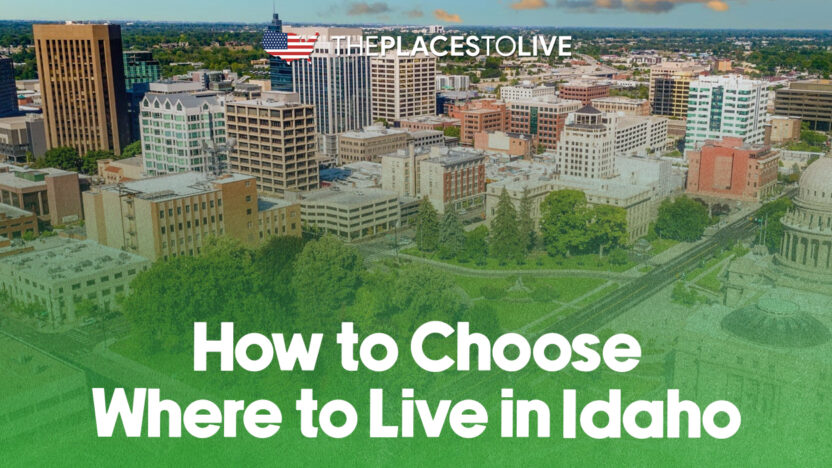
Deciding how to choose where to live in Idaho is a deeply personal journey shaped by unique preferences around lifestyle, work needs, social values, and practical day-to-day considerations. This choice isn’t about following popularity trends or checking off lists of highly ranked places. Instead, it involves reflecting on how different environments mesh with your rhythms, priorities, and what feels like home.
Idaho offers a remarkable variety of community settings that extend beyond a simple urban-versus-rural split. The state features bustling urban centers, diverse suburbs, and expansive rural counties. Over a quarter of Idaho’s counties are classified as rural, with close to a fifth meeting urban criteria, reflecting a mosaic of options that suit distinct ways of living and varying Idaho cost of living realities.
In the sections that follow, we’ll explore decision-making frameworks to help you thoughtfully evaluate where to live in Idaho, focusing on what specific environments imply for daily life, work, affordability, and community—all in service of finding alignment with your personal vision for living.
Daily Lifestyle Priorities: Urban, Suburban, and Rural Living in Idaho
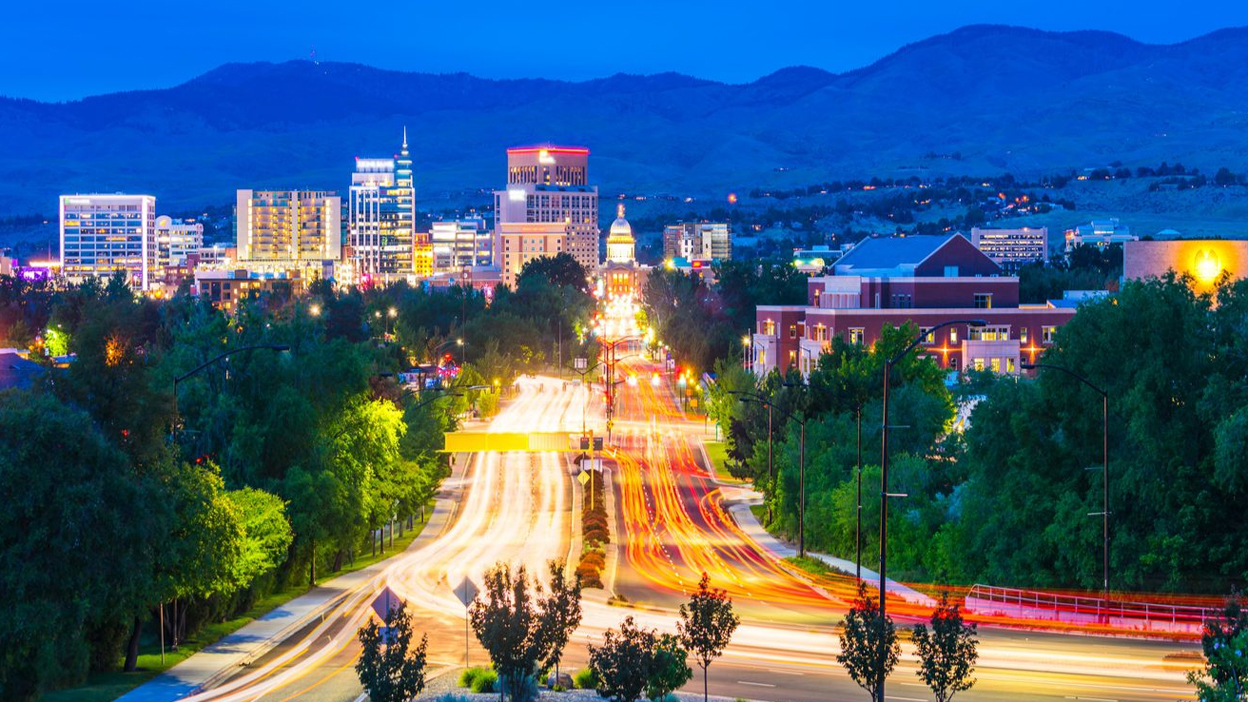
When considering where to live in Idaho, understanding how daily life unfolds in urban, suburban, or rural settings is crucial. Each environment offers differing rhythms, conveniences, and trade-offs that affect quality of life.
Urban Living: Density and Convenience
Living in Idaho’s urban centers, such as downtown Boise, means immersing yourself in a denser, more walkable environment. Here, cultural amenities, restaurants, coffee shops, theaters, and urban outdoor spaces like the Boise River Greenbelt are at your doorstep. This setting supports a lifestyle where errands, dining, and leisure fit within easy walking or short transit distances.
However, this convenience comes with certain downsides. Detached single-family homes are limited and living spaces tend to be smaller. For some, adjusting to less personal outdoor space is part of urban living. The trade-off might mean sacrificing yard size for proximity to vibrant city life and amenities.
Suburban Living: Balanced Access and Community
Suburban environments outside Boise represent a middle ground. The neighborhoods tend to have varied housing styles—from established areas with mature landscaping to new developments—offering more space than dense urban cores but still keeping residents close to city amenities.
Suburbs often provide neighborhood parks, nearby nature trails, and a tangible sense of community. Social life here can revolve around local events and shared spaces. Affordability and lifestyle character vary considerably; some suburbs lean upscale with larger homes and equestrian properties, while others offer more modest homes and quiet streets.
This setting suits those seeking a blend of nature access, community engagement, and manageable commute times, with a housing market that often gives more interior and outdoor space for the price compared to urban areas.
Rural Living: Space and Quiet at a Cost
Idaho’s rural living offers slower, quieter days amid natural surroundings, often characterized by vast open spaces and a connection with the wilderness. This lifestyle appeals to those who prioritize privacy, room to roam, and detachment from busy traffic or noise.
However, rural residents accept compromises as part of this lifestyle. Accessing healthcare can involve lengthy drives, infrastructure like roads and utilities may be less reliable, and services such as snow removal or grocery options can be limited. The pace here calls for adaptability and willingness to navigate fewer conveniences.
Social Environment and the Sense of Community in Idaho

An often overlooked but deeply influential aspect of choosing where to live in Idaho involves the social dynamics and community atmosphere in different locales.
Rural Idaho communities tend to be more homogeneous, with a majority perceiving neighbors as sharing similar racial or ethnic backgrounds. This homogeneity often accompanies close-knit relationships where people know one another personally and rely on small acts of neighborly support.
Urban areas display greater diversity both ethnically and culturally, attracting residents who place higher value on living in varied social settings. This environment can provide richer cultural exposure but may come with weaker neighborhood ties or less familiarity.
Suburban neighborhoods sit somewhat in between, with pockets of diversity and a balance of social engagement opportunities.
Recognizing your own needs—whether for a close, familiar network or a broader, more diverse social mosaic—will help direct your evaluation of communities. The feeling of belonging and opportunities for engagement differ substantially by setting, influencing long-term satisfaction.
Short-Term versus Long-Term Living Considerations
How you weigh different factors when identifying a suitable place in Idaho should also take into account your life stage and the expected duration of your stay.
Younger families might prioritize access to quality schools and healthcare facilities, which can be scarce or distant in rural areas. Professionals early in their careers may focus on proximity to employment centers and networking opportunities. Retirees might emphasize peace, natural beauty, and medical services availability.
Situations evolve, and what feels comfortable now may shift in importance over time. Awareness of these dynamics encourages a forward-looking perspective, helping avoid surprises and promoting adaptability.
Practical Strategies for Narrowing Down Your Idaho Living Options
Clarifying your preferences demands honest self-assessment. Consider questions like: How vital is high-speed internet or consistent cell service? Is diversity in your community a priority? What is your tolerance for driving or reliance on public transportation? How close do you need to be to medical facilities?
Immersing yourself in Idaho’s environments by visiting multiple community types during different seasons can yield insights impossible to capture from research alone. Observing traffic flow, experiencing winter roads, and assessing local service availability firsthand reveal practical realities.
Patience in this exploration fosters confidence in decisions rooted in your values and everyday needs rather than external influences or hype.
Conclusion
Choosing a place to live in Idaho involves complex trade-offs between convenience, community, natural surroundings, and economic realities. Reflecting deeply on your priorities and seeking environments that harmonize with those will help you move beyond generic advice toward a meaningful, sustainable choice. This thoughtful approach acknowledges that no single location embodies all that anyone needs but that a well-chosen home supports your personal rhythm and aspirations.