
Relocating to Maine unfolds not as a sudden upheaval but as a gradual, layered discovery. Life here reveals itself softly, shaped by the state’s distinct seasons and quiet rhythms that gently unfurl over weeks and months. The question of what to expect when moving to Maine invites more than checklist answers; it asks us to look at how life slowly reshapes itself—how daily pace, environment, and mood settle into a new pattern. For those moving to Maine , the experience is subtle, unfolding like layers of snow settling on pine boughs or the ebb of coastal tides. Within this unfolding, newcomers begin to sense a shift in the rhythm of days and the feel of space, inviting a new way of living that balances reflection and presence.
How Daily Life Begins to Feel Different
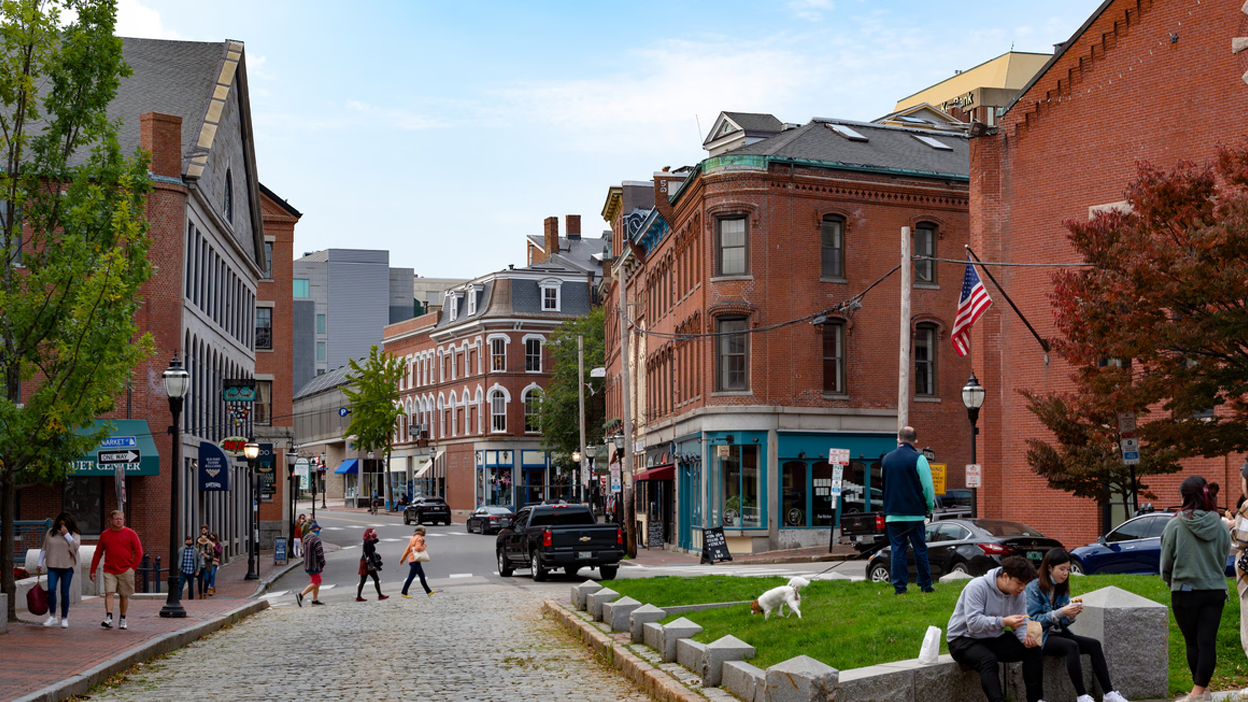
After moving to Maine, the tempo of daily life often starts to slow, but not as a halt imposed from outside. Rather, it emerges naturally from the interplay of coastal calm and expansive rural landscapes. This slowing is felt in the quiet hum of mornings when the air carries salt and wood smoke, and the roads are less cluttered with the clamor of hurried steps. The pace here doesn’t rush; it unwinds, opening space for more deliberate breathing.
Daily routines adjust almost imperceptibly to the state’s long, quiet winters and shorter daylight hours. The onset of Maine winters brings a natural shift in activities—time indoors feels not like confinement but a moment for quiet pursuits. Preparation for snow-shoveling, layering beneath scarves and mittens, and watching the slope of sunlight grow and wane tie days to natural cycles more strongly than before. These shifts gently alter moods as well, inviting calmness, even introspection, as the landscape itself turns quieter.
The sense of distance and personal space expands here. Where once neighbors might have been a brief buzz of faces, now interactions stretch out like the miles between towns—less frantic, more intentional. This re-spacing reshapes how daily habits feel, giving life a more measured flow. Trips for errands take on a rhythmic patience; conversations unfold at the pace of the turning seasons. Subtle changes like these underscore what to expect when moving to Maine—an understated evolution of daily life that enriches more than disrupts.
Regional Differences Within the State
Life in Maine is rarely uniform, and living in Maine means noticing the gentle hand geography plays in shaping everyday experience. The state’s varied regions offer layers of distinct rhythms that together compose the whole.
Along the coast, towns and villages pulse with maritime cycles. Here, salty breezes mingle with the bustle of seasonal shifts. Coastal centers often feel walkable and close-knit, where tides mark the day’s tempo alongside local markets or community gatherings. This seasonal vibrancy colors life with bursts of activity in summer tempered by quieter, slower winters—a daily rhythm defined by water and weather.
Moving inward to forests and lakes, the pace shifts toward solitude and deep quiet. The inland regions emphasize four robust seasons, each drawing out its own outdoor rituals. Life here is quieter, more secluded, where days can be filled with hiking snowy trails or casting lines into a still lake. Social rhythms soften to match wider-open spaces and longer drives. The surrounding woods and clear lakes lend a steady, soothing foundation to habits and moods.
Community gatherings and events often mirror the state’s rhythmic seasons—summer festivals, fall harvests, or winter storytelling nights—offering steady touchpoints that invite integration. First impressions may feel tentative, but with patience, the experience of truly living in Maine starts to soak in, revealing friendships nestled in shared experience and mutual rhythm.
For many, the first year serves as a bridge from outsider to familiar face, a time when subtle commitment to local ways carries rich reward.
Who Tends to Adapt Comfortably
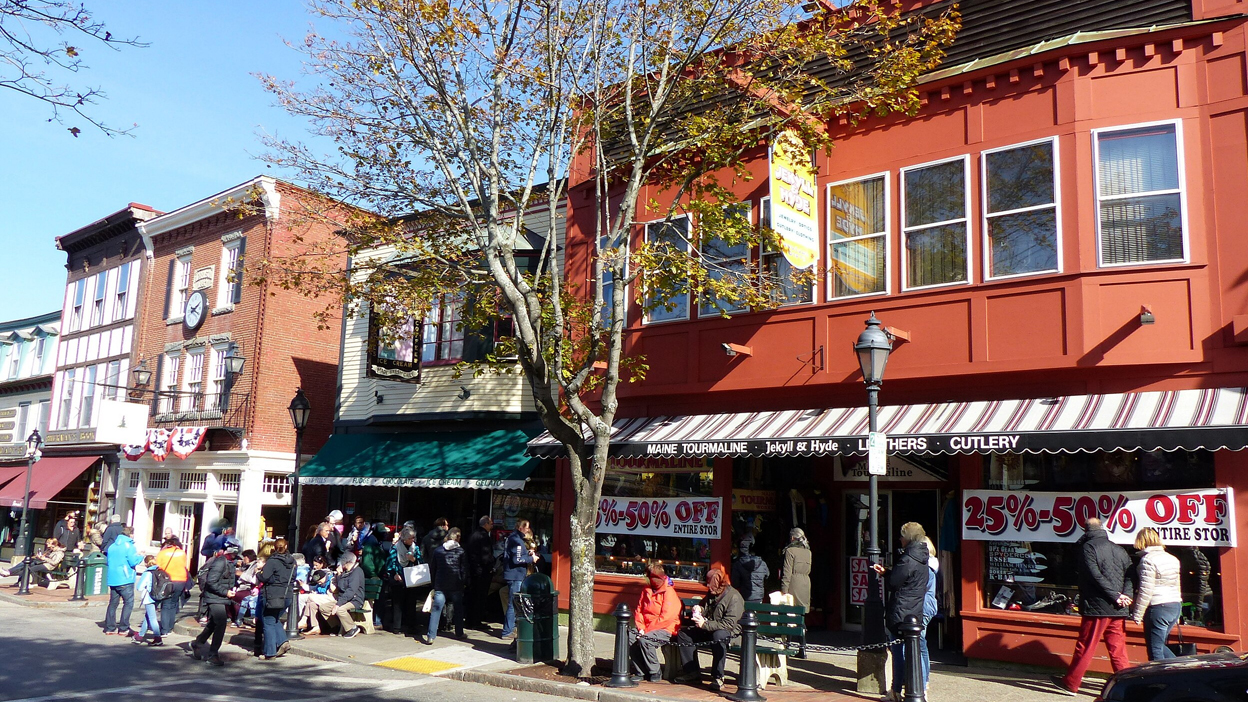
Those who find comfort in Maine’s way of life often share a quiet attunement to nature’s cycles and a preference for space and calm. Outdoor enthusiasts—those drawn to coastal views, forest trails, lakeside reflections, or year-round recreation—tend to harmonize quickly with Maine’s slower pace and steady rhythm.
Living in Maine suits individuals who appreciate authenticity and gradual intimacy in social circles. They draw nourishment from the landscape’s shifting seasons and the state’s more deliberate tempo. For them, moving to Maine means aligning personal lifestyle with an environment that values presence over rush, connection over crowding.
Many who adapt comfortably find themselves naturally drawn to local events or immersed in the outdoors, where belonging grows quietly, without expectation or pretense, through shared appreciation and repeated presence.
Who May Need More Adjustment Time
Adjusting to Maine’s rhythms can be more challenging for those accustomed to faster tempos, immediate social energy, or the density of urban life. The slower pace, seasonal solitude, and broader spaces might initially feel like an unfamiliar stretch.
The experience of longer distances, the quiet of rural settings, or the distinct phases of mud season and heavy winter preparations often demand patience and mindset shifts. Some may notice a sense of isolation or limited social variety at first. This isn’t a hurdle to overcome but a natural mismatch of pace and environment that softens with time.
For newcomers navigating these adjustments, the path often involves candid conversations, openness to change, and gradually layering new routines into daily living. With presence and perspective, many find their footing and grow to embrace the shape of Maine’s social and spatial rhythms.
Conclusion
In reflecting on what to expect when moving to Maine , it becomes clear this is less about checklists and more about the unfolding of lived experience. Maine softly reveals itself through the slow dance of seasons, the cadence of communities, and the textured spaces between coast, forest, and wilderness.
Living in Maine invites a patient presence and an openness to change, where personal rhythms adjust gently alongside the landscape. Over time, daily life reshapes—finding balance between quiet and activity, distance and intimacy, seasons and moods.
This unfolding journey offers a deepening sense of belonging, crafted one moment, one day, and one season at a time. For those who embrace Maine’s subtle invitation, life here becomes a tapestry woven from time, place, and the steady pulse of natural and human rhythms.