
Choosing how to choose where to live in Houston is a process that goes beyond tracking popular narratives or consulting lists often titled as the “best neighborhoods in Houston”. Instead, it invites a deeper, more personal exploration—one shaped by how daily life unfolds, how environments respond to your rhythms, and how the city’s diversity of settings interacts with your lifestyle. This city is vast and varied, with urban textures supporting a range of preferences, energy levels, and routines.
Rather than focusing on rankings or externally imposed definitions of place quality, this article approaches Houston as a mosaic of living environments. It aims to help you reflect on your habitual patterns, energy flow, social preferences, and practical needs. Understanding these factors is essential when considering where within Houston your life might best resonate and develop. Whether you are moving to Houston for the first time or considering a shift within the city, this reflection-centered approach helps illuminate alignment between your lived experience and the multifaceted urban fabric.
Daily Rhythms and Lifestyle Alignment in Houston’s Urban Landscape
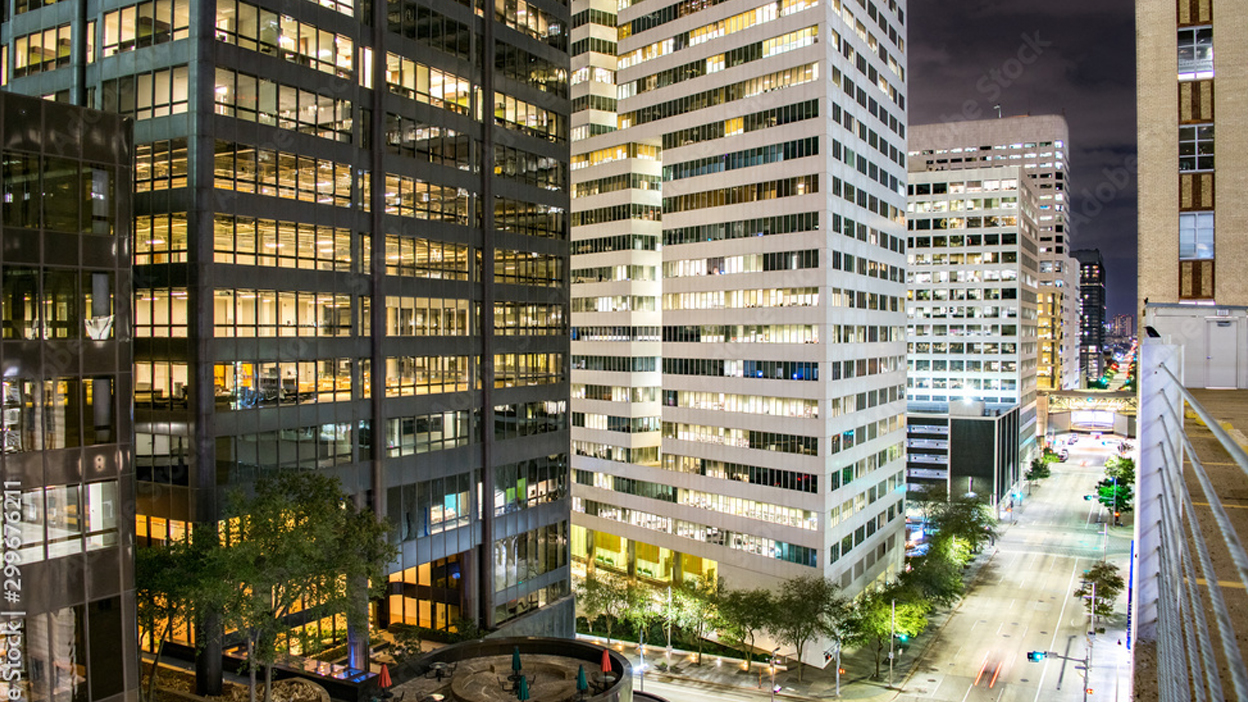
Life in Houston pulses with countless personal rhythms—patterns shaped by work schedules, energy highs and lows, and the shape of evenings and weekends. These rhythms deeply influence our resonance with different parts of the city.
For example, some Houston neighborhoods cultivate an active nightlife scene where young professionals gather for music, dining, and cultural events. Routes through places like Midtown and parts of Montrose often hum with energy late into the evening. These districts offer a tempo that can feel invigorating if your days end with social engagement and cultural exploration. The weekend rhythm here may include vibrant brunches or art walks, inviting you out on foot or by bike rather than retreating into quiet home spaces.
By contrast, other areas provide a more tranquil evening experience, inviting relaxation and slower rhythms. Places with tree-lined streets, historic homes, and quieter sidewalks support routines centered around home life — dinners shared on porches, calm evening walks, and weekends that unfold at a domestic pace. Families or those whose energy refuels in calm might find such settings better suited to their cyclical ups and downs.
When thinking about lifestyle fit, it is less about which places appear on lists citing the “best neighborhoods in Houston” or who lives where and more about whether your daily energy and time use harmonize or clash with the prevailing atmosphere. People moving to Houston bring diverse patterns—some thrive amid late-night city buzz, others find peace and restoration in gentler tempos. Recognizing where your personal rhythm toggles between activity and rest aids in understanding what kind of Houston environment supports your wellbeing rather than drains it.
Density, Space, and Sensory Experience Across Houston’s Living Environments
Sensory experience—how a place sounds, feels, and moves—plays a pivotal role in shaping emotional comfort and connection to surroundings. This encompasses noise levels, the sense of personal space, and the density of activity streetside.
Houston’s neighborhoods illustrate this spectrum clearly. On one end, dense, pedestrian-friendly urban enclaves provide sensory richness and accidental encounters. Areas where one can walk to an indie gallery, neighborhood café, or local market stitch activity into the fabric of daily living. Here, the streets pulse with sound, movement, and a layered mixture of sights and smells that can feel energizing or, for some, overwhelming.
At the other end are locations where space opens up: larger yards, shaded sidewalks, and visible greenery lend a quieter sensory baseline. In these places, slower environmental rhythms allow for breakout moments of solitude or calm reflection as part of the daily tapestry. The balance of open space and manageable noise levels creates a backdrop for routines that move at a gentler pace, often favored by those who prize peace or have family routines interwoven with outdoor activity.
In contrast, other urban environments simultaneously harbor bustling social scenes but also allow for greater anonymity. Neighborhoods with denser populations and more transient populations may offer proximity to social opportunities without the implicit expectation of participation, affording personal space even amid activity. This balance suits those who appreciate both community accessibility and privacy without the pressure of constant social visibility.
Thinking about where to live in Houston includes reflecting on how much social interaction feels supportive rather than invasive. Your desired degree of community involvement intersects with how neighborhoods structure their social rhythms and opportunities. Newcomers moving to Houston differ in the community vibe they seek—from tight-knit enclaves to lively yet loosely connected urban milieus—and this preference contributes to the lived texture of place.
Life Stage and Anticipated Change: Aligning with Houston’s Urban Fabric
Life transitions shape what matters most in a living environment. Starting a family, shifting professional focus, or considering retirement—all bring evolving priorities that transform one’s experience of place.
Houston’s diverse areas reflect and respond to various life stages. Neighborhoods with ample green space, family-oriented routines, and schooling options often align well with parenting phases. Conversely, vibrant urban centers with cultural amenities and nightlife resonate with early career exploration or social adventuring. More established professionals might lean toward settings with community stability and refined amenities.
Crucially, anticipating future change invites reflection on flexibility and adaptation rather than lock-in. Your living environment can support different phases differently, and recognizing which qualities matter now versus later aids in thoughtful decision-making. This fluid approach underlines the experiential nature of choosing a place rather than seeking an everlasting categorization.
Learning Through Direct Observation: Experiencing Houston Firsthand
Many qualities defining Houston’s neighborhoods reveal themselves fully only through direct sensory engagement. Walking streets at different times of day or visiting on a weekday versus weekend brings nuanced understanding of neighborhood personalities.
For instance, a midday visit might highlight calm sidewalks and routine errands, while evenings might showcase vibrant social circuits or quiet retreats. Listening to ambient sounds, observing lighting, noting smells and street activity—all these sensory cues form an embodied sense of fit that data and descriptions cannot fully capture.
Mindful observation allows your emotional responses to guide insight. How does the place feel to you? What rises or falls in your energy as you move through it?
Such lived experience is a vital tool for reflecting on place alignment.
This approach reframes how to choose where to live in Houston: it is an experiential, intuitive process as much as a rational one. Walking, listening, and seeing reveal layers beyond labels, offering a grounded sense of where your life might find natural rhythm.
Conclusion
There is no single “best” choice for where to live in Houston. Instead, the right place emerges from alignment with your unique rhythms, lifestyle, and evolving needs. Houston’s richness lies in its diversity—each urban pocket offering distinct textures and tempos.
Approach your decision as a reflective journey. Trust your lived experience, your energy flows, your social rhythms, and your practical habits as guides. Through patient reflection and direct engagement, you may find the part of Houston that feels less like a choice made and more like a place found—one that supports the life you want to live in this sprawling, vibrant city.