
Considering moving to Maryland? This article provides key things to know before moving to Maryland, offering an objective, broad overview of the state’s geography, economy, climate, and regulatory landscape. Maryland is an East Coast state uniquely positioned between the Mid-Atlantic and Southern regions, balancing diverse environments and economic opportunities. Understanding these statewide realities can help you plan effectively before selecting a city or region to settle in.
Geographic and Regional Differences Within Maryland
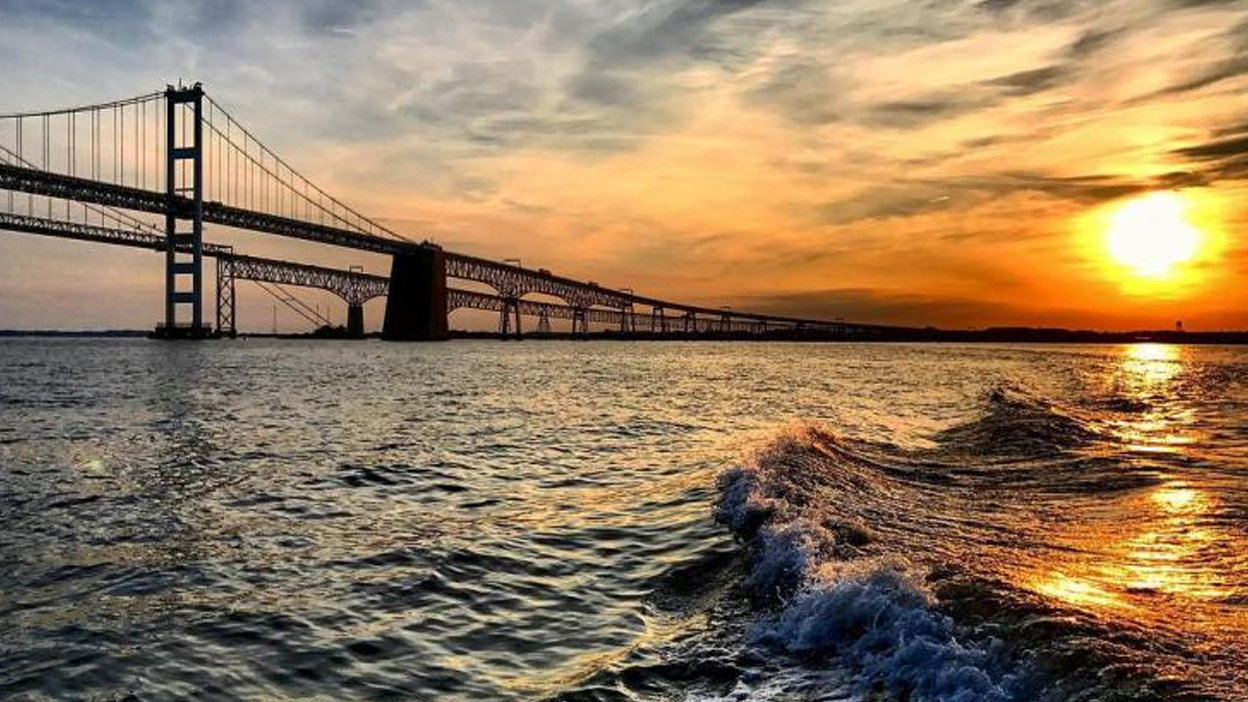
Maryland’s geography is defined by six distinct physiographic provinces that shape the state’s terrain, climate, and living conditions. These geographic regions influence land use, weather, infrastructure challenges, and economic activity.
- Atlantic Coastal Plain: This vast province covers the Eastern Shore and Southern Maryland counties adjacent to the Chesapeake Bay and the Atlantic Ocean. The landscape here is flat with sandy and clay-rich soils. The flat terrain and proximity to water create flood-prone areas, particularly vulnerable to storm surges and nor’easter effects. The Coastal Plain generally has milder winters due to water temperature moderation.
- Chesapeake Bay Area: The Chesapeake Bay acts as a major geographic and climatic boundary within Maryland. It moderates temperatures, resulting in warmer winters in counties close to the bay compared to inland areas. The bay region is vital economically and environmentally but creates challenges such as increased flood risk in surrounding low-lying areas.
- Piedmont Plateau: Central Maryland, including the Baltimore region, lies in the Piedmont Province. This area features rolling hills and moderate elevation with diverse geology including gneiss and marble. It experiences more snowfall and colder winters than the Coastal Plain. Piedmont’s terrain influences development patterns since hills and rock formations pose constraints to urban sprawl and infrastructure.
- Blue Ridge Province: Present mainly in western Frederick County, this smaller region consists of quartzite and volcanic rock formations. Its distinct topography sits between the Piedmont and Appalachian Mountains and shares some climatic characteristics of both.
- Appalachian Mountains (Western Maryland): The western portion of Maryland, especially Allegany and Garrett counties, features mountainous terrain at higher elevations. The climate here is more continental, with colder winters and more snow than the rest of the state. Infrastructure demands and land use are tightly linked to this challenging terrain.
Terrain variation from flat coastal plains to mountainous areas leads to wide differences in land use, urbanization, and infrastructure investment needs. For example, the flat, flood-prone Eastern Shore contrasts with the hilly conditions of central counties or the rugged western mountains.
Climatic differences are also significant. Coastal plain counties enjoy relatively warmer winters, while western mountainous regions experience longer, colder, and snowier seasons. Additionally, flooding and other natural hazards disproportionately affect the eastern counties along the bay and ocean shores due to sandy soils, flat topography, and increasing nor’easter frequency in winter months.
These are foundational things to know before moving to Maryland, as your choice of region will significantly impact your weather experience, home insurance costs, infrastructure access, and lifestyle requirements.
Urban vs Rural and Regional Living Patterns
Maryland exhibits a stark contrast between its urban centers, suburban zones, and rural areas, shaping residents’ daily experiences and access to services.
- Urban Centers: Baltimore and the Maryland portions of the Washington, D.C. metropolitan area serve as compact urban and suburban hubs. These places benefit from extensive infrastructure, greater public transit access, healthcare facilities, schools, and employment diversity. Public transportation such as commuter rails and light rail lines primarily operate in these centers.
- Rural Counties: By contrast, many of Maryland’s counties—especially on the Eastern Shore and in western Maryland—are rural, featuring agricultural or forested landscapes. Here, population density is lower, public transit options are limited or non-existent, and access to healthcare and educational institutions may require longer travel distances. Residents in these areas often rely heavily on personal vehicles.
- Coastal vs Inland Differences: Coastal counties tend to be more developed with a mixture of residential and commercial properties, influenced by maritime economies and floodplain considerations. Inland counties, including much of the Piedmont and western regions, usually have more open land, less intensive development, and a stronger reliance on agriculture or natural resource industries.
- Commuter Patterns: Many Maryland residents live in suburban or rural locations but commute into urban centers for work. The state’s role as a significant East Coast commuter hub means extensive daily travel to Baltimore or Washington, D.C. metro areas. Congestion and transit options vary widely depending on proximity to these hubs.
Understanding the mix of urban and rural living options and the related infrastructure, services, and commuting realities is a critical component of moving to Maryland. These factors influence housing choices, daily mobility, and regional lifestyle expectations.
Taxes, Regulations, and Long-Term Planning Factors
Maryland’s tax and regulatory environment affects residents’ financial and lifestyle decisions.
- State Taxation: Maryland has a graduated state income tax with higher earners paying higher rates. The state’s sales tax is moderate compared to national standards. Property tax rates vary widely between counties, reflecting local government policies and services.
- Insurance Requirements: Flood insurance is often mandatory for homeowners in flood-prone coastal and Chesapeake Bay counties, adding to monthly housing costs. Homeowners elsewhere face more standard policies but should consider regional environmental risks.
- Zoning and Environmental Regulations: Strict environmental zoning, particularly related to Chesapeake Bay preservation, governs construction permits, stormwater runoff, and land development in bay-adjacent counties. These regulations can affect homebuilding, renovations, and land use restrictions.
- Long-Term Considerations: Prospective residents should account for taxes, insurance premiums, and regulatory factors when planning to relocate or purchase property in Maryland. These issues have enduring impact on affordability and asset protection.
These regulatory realities are critical aspects of things to know before moving to Maryland, influencing financial planning and housing feasibility.
Who Maryland Is Generally a Good Fit For
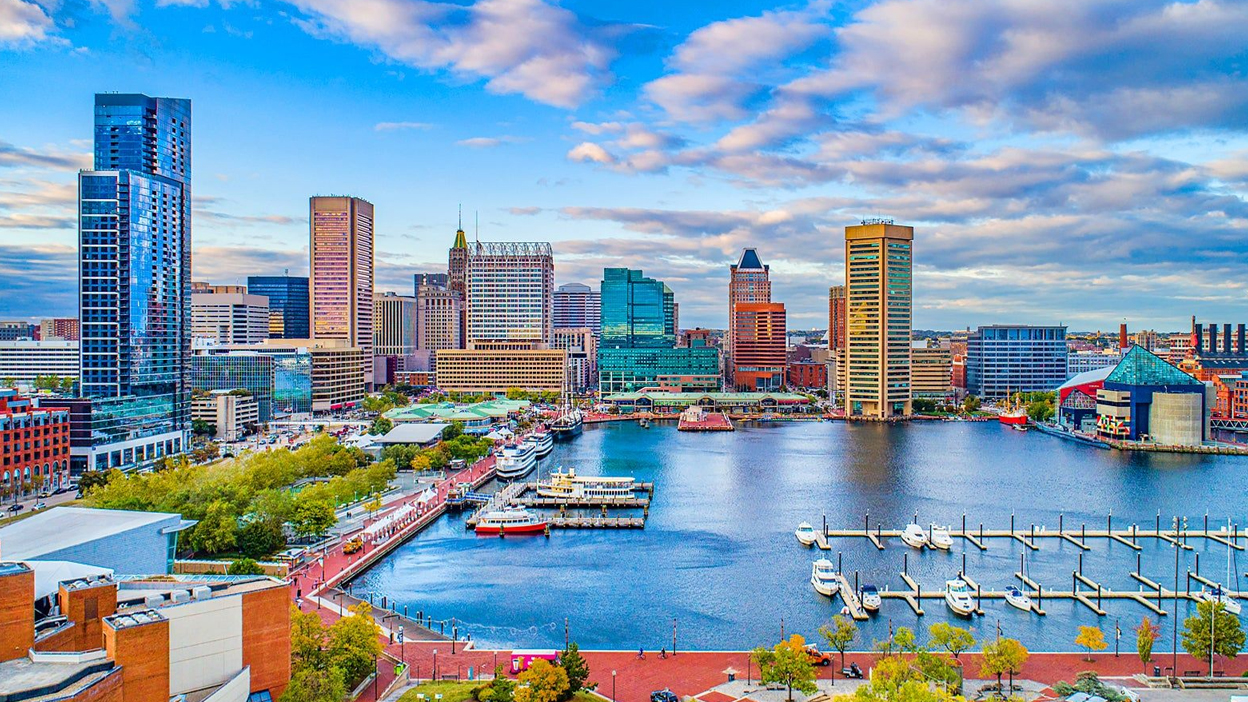
Maryland offers a broad appeal to several demographic groups given its economic strengths, climate, and geographic diversity:
- Federal and State Government Employees: Proximity to Washington, D.C. and large federal agencies makes Maryland ideal for those working in public service and related fields.
- Professionals in Biotech, Healthcare, and Education: The state’s strong biotech clusters and sizable healthcare and education sectors provide opportunities for skilled professionals concentrated in key hubs.
- Families Seeking Residential Diversity: Maryland provides varied living environments—from urban apartments and suburban neighborhoods to rural acreage—with a range of schooling options and community amenities.
- Retirees: Maryland’s moderate climate, access to quality healthcare, and East Coast location offer a balanced environment for retirees who prefer neither extreme urban nor rural living.
Maryland appeals to those who appreciate the Mid-Atlantic lifestyle, its commuter patterns, and regional diversity. Understanding these fits helps identify whether Maryland aligns with individual or family needs.
Who Should Research Further Before Moving
Certain groups should conduct in-depth, localized research before relocating to Maryland:
- Families Focused on School Quality: Educational resources and school performance vary significantly by county. Families dependent on specific districts should evaluate areas carefully.
- Job Seekers Outside Main Sectors: Those working outside federal government, biotech, healthcare, or education may find limited opportunities in certain regions, requiring detailed career market analysis.
- Individuals Sensitive to Environmental Risks: Prospective residents with concerns about flooding, hurricanes, or other natural hazards must assess local hazard zones and insurance requirements precisely.
- Non-Drivers or Mobility-Limited Residents: Due to high car dependency in many parts of the state, those reliant on public transit or with mobility constraints need to evaluate transportation accessibility at neighborhood levels.
Detailed local investigation beyond this statewide overview is essential for making fully informed decisions that match specific needs, priorities, and risks.
Conclusion
Understanding these broad geographic, economic, climatic, and regulatory factors is essential for anyone considering moving to Maryland. This article has provided practical things to know before moving to Maryland, covering regional differences, cost of living variation, employment sectors, infrastructure realities, climate impacts, and regulatory landscapes.
Use this information as a foundational guide to frame your relocation plans. Before committing, conduct deeper research into specific cities, neighborhoods, and local conditions to ensure your moving decision suits your long-term goals and lifestyle preferences.
This detailed and objective overview aims to support prospective movers with rigorous, value-dense information needed to navigate Maryland’s complex and diverse living environment successfully.