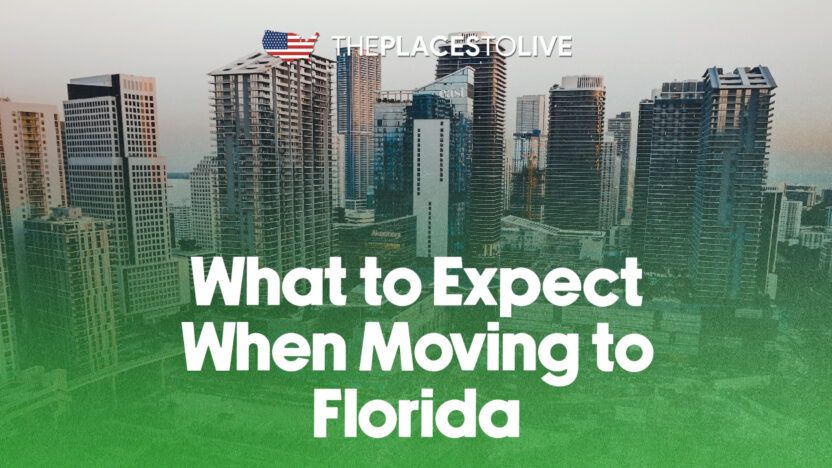
Moving to Florida rarely feels like an instant transformation. Instead, it unfolds as a slow, gentle shift in how daily life feels, a subtle recalibration of time, environment, and personal rhythm. The bright sunlight and open skies that greet you at first seem like an immediate change, yet it is only over weeks and months that the true character of life in the Sunshine State reveals itself. With this calm awareness, we can explore what to expect when moving to Florida—not as a checklist or guide, but as a lived, sensory experience emerging through quiet observation.
At the start, moving to Florida offers dazzling mornings that pull you outdoors, a promise of outdoor accessibility and easy warmth. But these initial impressions deepen into something more nuanced: how the sunlight softens time’s edges, how the humid air folds into your daily moods, and how the rhythms of community and nature settle around you like a familiar song. This is not a story of instant belonging but of becoming attuned—how Florida’s unique pulse influences the slow evolution of everyday life.
How Daily Life Begins to Feel Different in Florida
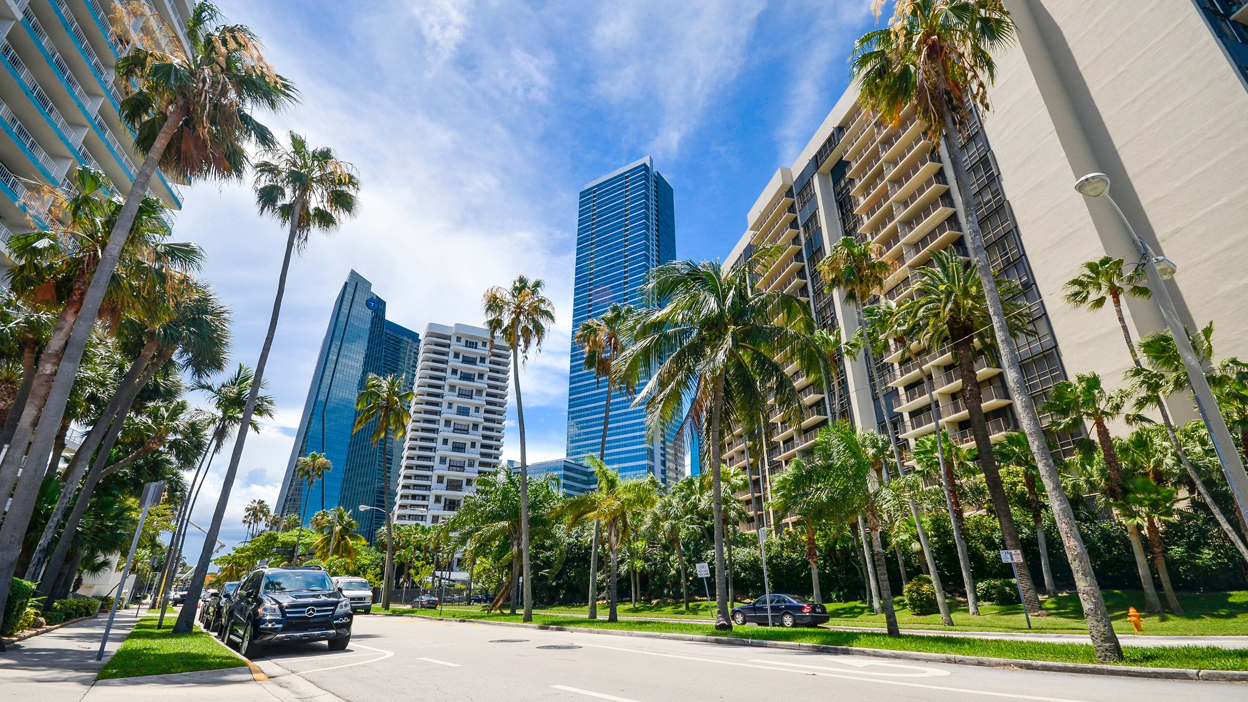
One of the first things you notice when moving to Florida is the pace of daily life beginning to ease into a sunlit rhythm. Days stretch longer, guided by generous sunlight that spills across the landscape, warming the skin and softening the edges of time. The warmth nudges your body and mind toward new routines; you find yourself rising earlier or delaying the afternoon’s chores to avoid the midday heat. There is no rush—just a natural adjustment to the Florida weather, where the sun dictates rhythm more than the clock.
Outdoor moments sneak gently into daily routines. Beach walks become a quiet habit, paddleboards glide across tranquil waters in the early light, and evening yoga sessions drift seamlessly from the indoors to the porch or the shore. Air conditioning creates a crisp retreat inside, a contrasting cocoon from the humid warmth outside. This interplay between cool interiors and open, water-adjacent spaces invites moments of spontaneous action—fishing at dawn, a swim after work, or coffee savored on a sunbathed balcony.
Mood and habit adjust without fanfare; the environment quietly reshapes how comfort and activity feel. Over time, you might notice a subtle lifting of spirits tied to the abundant daylight and the ease of outdoor living. Days feel less confined, marked not by urgent deadlines but by a gentler flow influenced by the shifting heat and light. This is the essence of living in Florida—a gradual attunement to its climate and culture that colors daily life in soft hues.
Regional Differences Within Florida
Florida is far from uniform, and moving within or through its regions reveals how the state’s varied landscapes shape life’s tempo in distinct ways. The northern reaches, with their more noticeable seasonal shifts, carry a quietly different pace in winter—a cooler, sometimes bracing time that brings an almost reflective hush compared to the southern subtropical warmth. These areas hold onto a feeling of rootedness, where seasonal change guides rhythms more explicitly.
In contrast, the southern coastal parts of Florida offer an almost constant pulse of heat and humidity, where days carry a lush openness all year round. The Everglades and subtropical wetlands introduce a rich, slow movement of flora, fauna, and water, inviting a rhythm tied to natural cycles more subtle than calendar seasons. Around sprawling urban centers, the pace quickens slightly, with traffic ebbing and flowing like tides, while rural stretches evoke a more expansive, unhurried sense of space.
Who Tends to Adapt Comfortably to Florida’s Rhythm
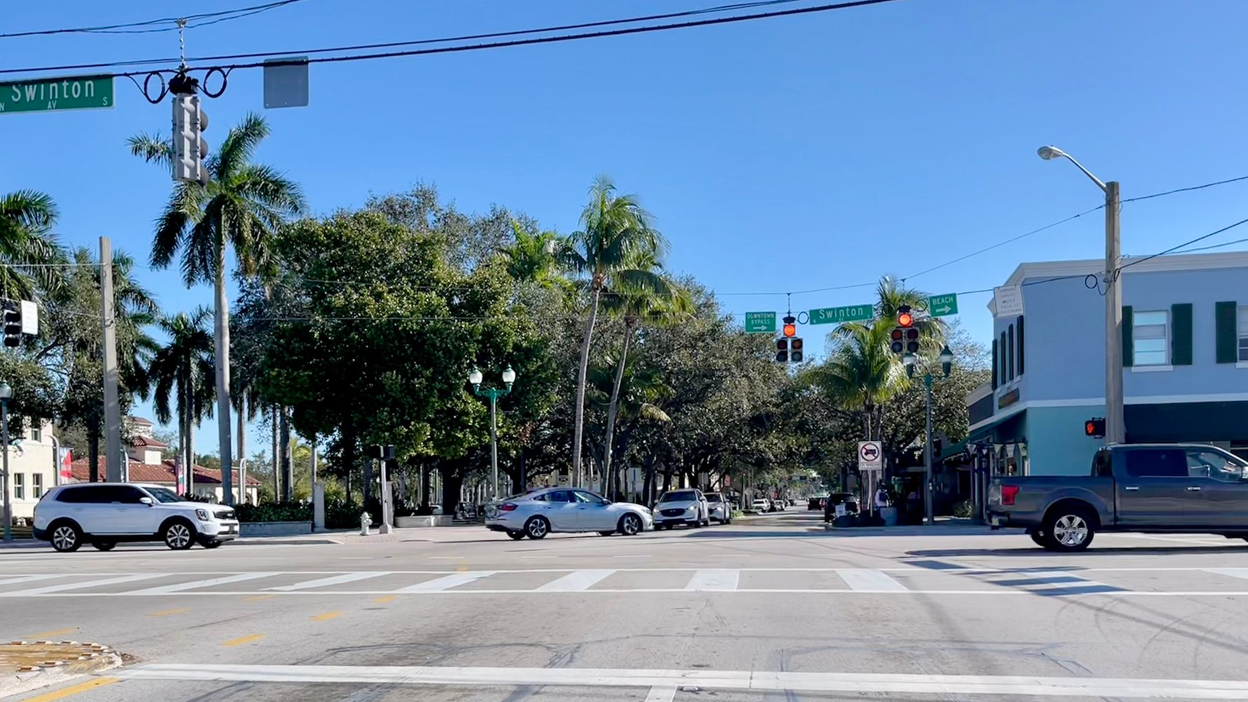
Living in Florida often feels most natural for those whose lifestyles harmonize with its outdoor and sunlit tempo. People who find joy in water sports, boating, hiking, or other year-round outdoor activities often settle into the state’s slower, more reflective days with fluidity.
Flexibility in adapting to the rhythms of heat and humidity—waking with the cooler air, embracing wet and dry seasonal shifts—helps shape comfort and contentment. The experiential observation is that those open to this kind of active, nature-immersed living often find themselves naturally attuned to Florida’s cycle. It is not a requirement but a resonance, a subtle match between personal tempo and the state’s environmental flow.
This harmony tends to invite a gentle, ongoing engagement with the world outside—whether that is a weekend paddle, an early morning run, or evening gatherings in sun-dappled parks—that both grounds daily life and enriches mood.
Who May Need More Adjustment Time in Florida
For some, moving to Florida means a slower, more gradual settling process. Those sensitive to heat or humidity might find the climate a persistent challenge rather than a backdrop, with summers that feel isolating despite the social vibrancy around them. The necessity of air conditioning indoors can feel like a barrier as well as a comfort, creating edges where outdoor life is less inviting.
Individuals who prefer denser urban environments might experience the sprawling pace of Florida as stretching, with long drives and traffic patterns posing a recurring adjustment. The expansiveness and reliance on cars can sometimes feel like a friction against desired mobility and immediacy.
These experiences represent a continuum rather than a deficit. The settling rhythm in Florida for some stretches across months, shaped by these personal sensitivities and preferences. While the emotional landscape eventually softens, it does so through deliberate attunement more than abrupt change.
Conclusion
What to expect when moving to Florida is a layered and subtle journey of discovery. It is less about practical facts or immediate differences and more about how time, attention, and personal rhythm align with the state’s sensory and emotional landscape. The gradual sweetness of endless sun, the pull of water and open skies, and the slow weaving into shifting communities together compose a lived experience that reveals itself through presence rather than planning.
While the Florida cost of living might ease external pressures somewhat, it remains a quiet backdrop to the richer, more nuanced internal adjustments shaped by climate, space, and community flow. Moving to Florida is above all an invitation to embrace unfolding change—to breathe with the state’s natural tempo and find your own rhythm beneath its ceaseless sunshine and shifting tides.