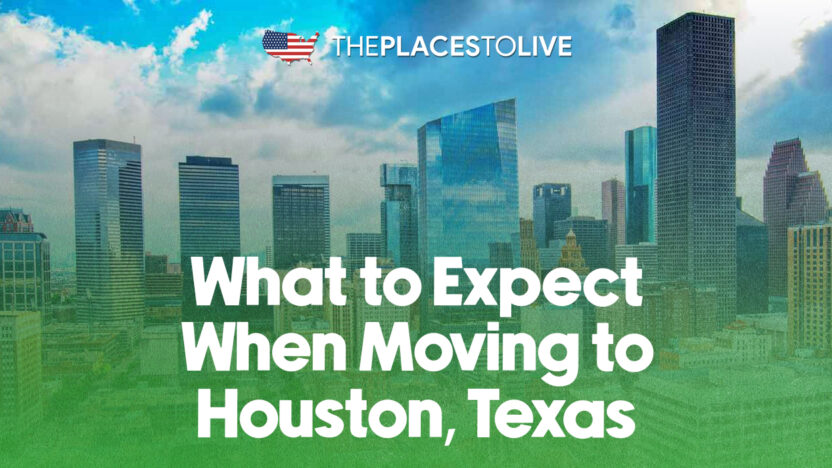
Moving to Houston often catches newcomers off guard. What to expect when moving to Houston goes beyond finding a new home—it involves adapting to the city’s sprawling urban layout, intense humidity, heavy traffic, and a car-dependent lifestyle. Houston’s humid subtropical climate means year-round warmth with sudden, often fierce, afternoon thunderstorms. These factors combine with a distinct cultural blend of Southern hospitality and urban hustle that shapes daily life in unique ways.
Adjusting to living in Houston requires a phase of sensory adaptation, practical navigation, and building routines amid its vast, diverse environment. This guide aims to provide a detailed, reality-based view of what you will encounter through your first days, weeks, and months of moving to Houston.
The First Weeks: Initial Impressions and Reality Checks
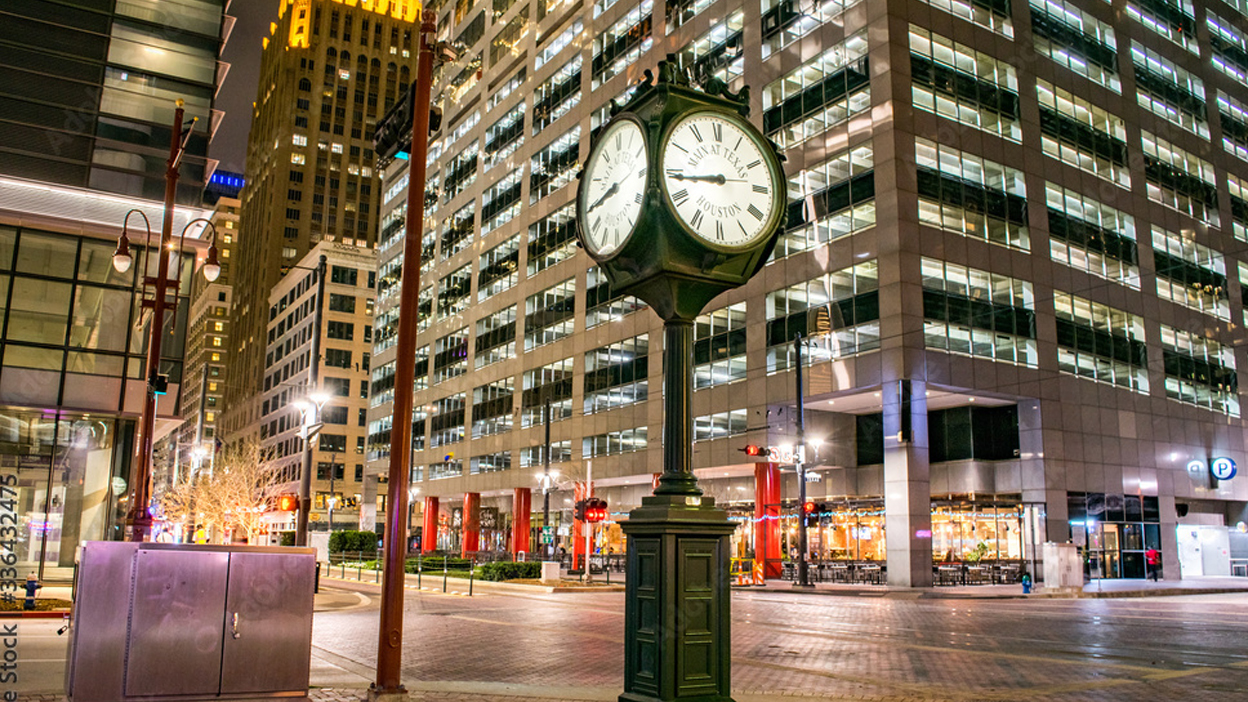
When starting life in Houston, newcomers face immediate sensory changes. The relentless humidity weighs heavily, making everyday heat feel intensified. The city’s constant background noise—traffic hum, construction sounds, and active freeways—forms a steady sensory backdrop that can be unfamiliar to those from quieter places.
Houston’s urban sprawl covers more than 600 square miles. This geographic vastness creates a fragmented layout with wide freeways, streets prone to flooding, and neighborhoods spread out by large distances. Navigating this fragmented urban environment differs from more compact or grid-based cities.
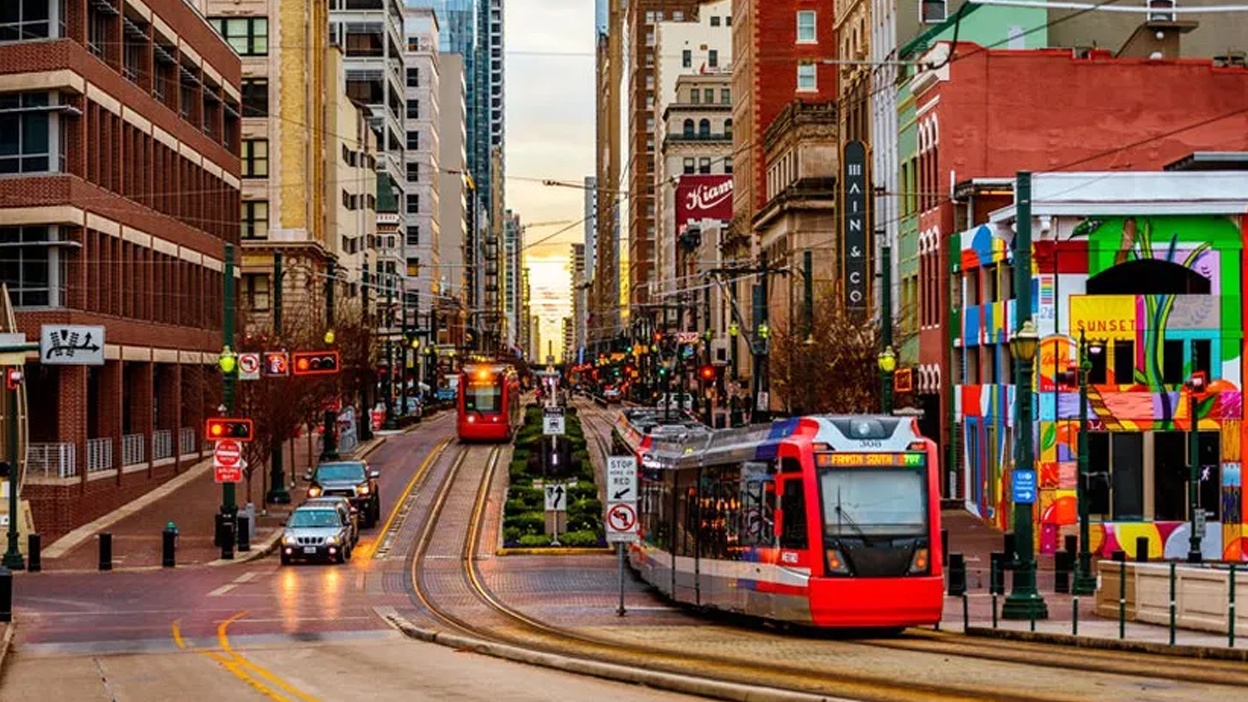
In the early days of moving to Houston, many grapple with the city’s non-grid street pattern. The arrangement can feel confusing, requiring frequent reliance on navigation apps such as Waze. Public transit options are limited, so the car-dependent lifestyle becomes obvious. Aggressive and fast-paced drivers contribute to a heightened sense of urban intensity that demands defensive driving and constant alertness.
Weather patterns also present surprises. Frequent, sudden thunderstorms can develop in the afternoon without much warning. The persistent warm climate means air conditioning is not just a convenience, but a necessity year-round.
Local habits may take some getting used to. Houston’s tailgating culture at sporting events and casual outdoor gatherings is common. Drive-thru services are plentiful and diverse, extending well beyond fast food to pharmacies and coffee shops. Adjusting to hurricane season brings specific preparation routines including evacuation plans. The mild winters reflect in a casual dress code that lasts most of the year, with few cold-weather interruptions.
These initial impressions and realities paint a distinct picture of living in Houston that requires sensory flexibility and practical adjustments for newcomers.
Adjusting to Daily Routines
Daily life rapidly shifts once settled in Houston, especially concerning commuting. The city’s transportation pattern is dominated by personal vehicles. Major highways such as I-10, I-45, and beltways become primary arteries for daily travel. Average commutes are often lengthy, frequently exceeding 30 minutes. Carpool lanes provide some relief, but traffic congestion linked to energy-sector activity and sprawling employment centers emphasizes the need for patient, defensive driving.
There is no fixed duration. Some newcomers develop routines and a sense of ‘home’ within months, while others navigate the city’s scale and complexity for a year or longer before feeling fully settled.
Adopting a flexible and experiential attitude towards settling can help. Tracking progress through small milestones, such as comfortably hosting friends at home or learning to anticipate and adapt to local weather patterns without relying heavily on alerts, can provide meaningful markers of adjustment.
Ultimately, settling in Houston involves ongoing learning and growing community connections rather than a one-time event.
What Helps the Transition Feel Easier
Certain behaviors and mindsets help smooth the transition. Establishing routines that incorporate visits to sensory-friendly spaces like We Rock the Spectrum gym can alleviate stress and offer supportive social environments. Attending adapted performances at venues such as Main Street Theater encourages community connection with less sensory overload.
Patience with oneself is critical when absorbing Houston’s norms. Accepting inevitable traffic delays as part of daily life and recalibrating expectations around humidity and logistical sprawl reduce frustration. Embracing a realistic outlook helps newcomers find balance amid the city’s challenges.
Leveraging Houston’s resources designed to ease transitions also supports emotional and sensory well-being. The Space Center Houston, for instance, provides quiet rooms that serve as mental resets during visits. Cultural venues often offer sensory-friendly programming, making participation more comfortable and rewarding.
Intentional routines, realistic expectations, and resource awareness form key pillars of a smoother adjustment experience when moving to Houston.
Conclusion
What to expect when moving to Houston includes recognizing the natural feelings of being unsettled following arrival. These feelings largely stem from the city’s unique sensory demands, sprawling geography, and logistical complexity.
Experiencing ups and downs does not reflect a wrong decision but rather a normal part of integrating into Houston’s dynamic, diverse environment. Each newcomer’s transition timeline and emotional journey are unique, shaped by individual resilience, curiosity, and effort to explore local communities and environments.
Approaching life in Houston with openness, patience, and strategy will gradually transform initial challenges into meaningful belonging within this vibrant city.
Moving to Houston is a process of discovery and adjustment. By understanding what to expect when moving to Houston, from climate and commuting to social life and emotional shifts, newcomers can navigate this complex urban landscape with greater confidence and clarity.