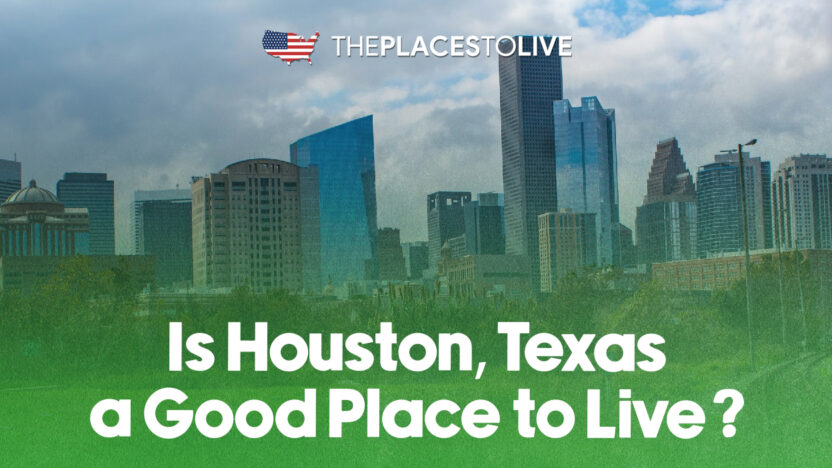
Is Houston a good place to live? This question often depends more on individual lifestyle preferences, personality, and tolerance for specific urban traits than on broad, universal rankings. While many lists rate cities on factors such as education, health care, value, or cultural appeal, these metrics only capture a portion of what daily living in Houston actually entails. The lived experience of Houston—its rhythms, communities, and environment—shapes whether the city feels like a good fit for someone.
This post explores the nuanced aspects of life in Houston through a grounded, experience-based lens. It moves beyond abstract statistics to understand how the city’s size, social texture, work culture, and climate influence what it means to live here. By examining these details, readers can better appreciate the living in Houston pros and cons and make a considered judgment on whether moving to Houston aligns with their lifestyle.
What Daily Life in Houston Actually Feels Like

Houston’s scale is fundamental to daily life here. As the fourth-largest city in the United States, Houston spreads wide, forming a sprawling and fragmented urban fabric. Neighborhoods vary dramatically—from dense, multicultural urban pockets to expansive suburban stretches. This spatial layout creates a fast-paced but segmented rhythm.
Weekdays in Houston revolve around cars and commutes. Many residents living in suburbs like Pearland or Sugar Land routinely drive substantial distances to reach professional jobs in energy, healthcare, or corporate sectors. Cars dominate, with long drives weaving through traffic as standard for routine errands and workdays. For those residing closer to the city center, daily life is dense with cultural diversity but still marked by significant driving time.
The city’s weekends present a different pace. Urban cultural hubs such as the Ismaili Center contribute to a growing presence of cultural programming, reflecting Houston’s rich mosaic. Suburban parks and emerging retail areas like the Greenside development offer spaces for relaxation amid ongoing growth. Greenside’s warehouse-to-retail transformation typifies Houston’s evolving leisure landscape, combining shopping and dining with open-air environments.
Thus, Houston’s urban rhythm shifts from busy, car-clogged weekdays to weekends that blend active cultural engagement and laid-back suburban escape. These contrasting patterns highlight essential living in Houston pros and cons—providing both dynamic diversity and spatial challenges that define the city’s daily experience.
The Social and Community Atmosphere
Houston’s social and community atmosphere mirrors its physical sprawl. The city’s diversity is one of its defining features, bringing extensive cultural opportunities alongside challenges in forming fast and deep social connections. Houston attracts a broad spectrum of communities, fueled by economic growth and demographic variety.
Families often thrive in expanding suburbs like Pearland, where community-oriented environments provide space and amenities aligned with family needs. Meanwhile, those drawn to evolving cultural scenes can find rich experiences in neighborhoods such as Greenside and areas surrounding the Ismaili Center’s cultural programming.
Tolerance for Houston’s distinctive urban scale, including acceptance of long commutes and less walkability, is essential. Additionally, an openness to engage actively in social networks supports better integration into the city’s diverse social fabric.
This profile of who is well suited underscores the importance of matching personal lifestyle preferences with Houston’s particular living conditions to determine if this city offers a good fit.
Who Might Struggle Living in Houston
Houston can present difficulties for those who seek compact, walkable urban environments, or who prefer stable, predictable climates. The city’s extensive sprawl creates challenges for pedestrians and requires regular long drives—often exceeding 30 minutes—to most work centers.
Residents prioritizing quick commutes or small geographic footprints may find Houston’s scale and traffic flow frustrating. The heat and humidity characteristic of the city on the Gulf Coast can be taxing for people accustomed to milder weather. Additionally, the perception of safety when walking alone at various times impacts social comfort, sometimes limiting spontaneous neighborhood interactions.
Those who are less inclined toward driving-dependent lifestyles or who do not wish to invest effort in social bridging may struggle with Houston’s dispersed, diverse, and large-scale environment. These are lifestyle mismatches rather than city shortcomings, illustrating the particular living in Houston pros and cons across different resident profiles.
Conclusion
Determining whether Houston is a good place to live requires honest reflection on individual lifestyle needs and tolerances—particularly for urban diversity, commuting routines, climate, and metropolitan scale. Universal data and rankings provide useful context, but they cannot capture the complex, lived realities that shape daily life here.
Considering the city’s fragmented rhythms, social fabric, work culture, and environment alongside personal preferences offers a grounded, experience-based understanding essential for anyone thinking about moving to Houston. Being clear about one’s priorities and personality remains the most reliable way to evaluate if Houston’s unique qualities align well with one’s life.
Ultimately, Houston’s fit varies widely; it is neither inherently good nor bad but highly dependent on the match between the city’s character and the individual who calls it home.