
When considering is Aurora a good place to live, the answer depends largely on personal preferences, lifestyle needs, and daily expectations. There is no single “yes” or “no” that fits everyone. Instead, examining what life feels like on the ground in Aurora Colorado reveals distinct experiences shaped by its size, layout, and community fabric.
This article moves beyond generic living in Aurora pros and cons lists or broad ratings. It focuses on the details that define everyday life here, drawn from resident experiences and local nuances. For anyone questioning whether Aurora fits their particular lifestyle, these insights offer a practical sense of what living in Aurora really means.
What Daily Life in Aurora Actually Feels Like
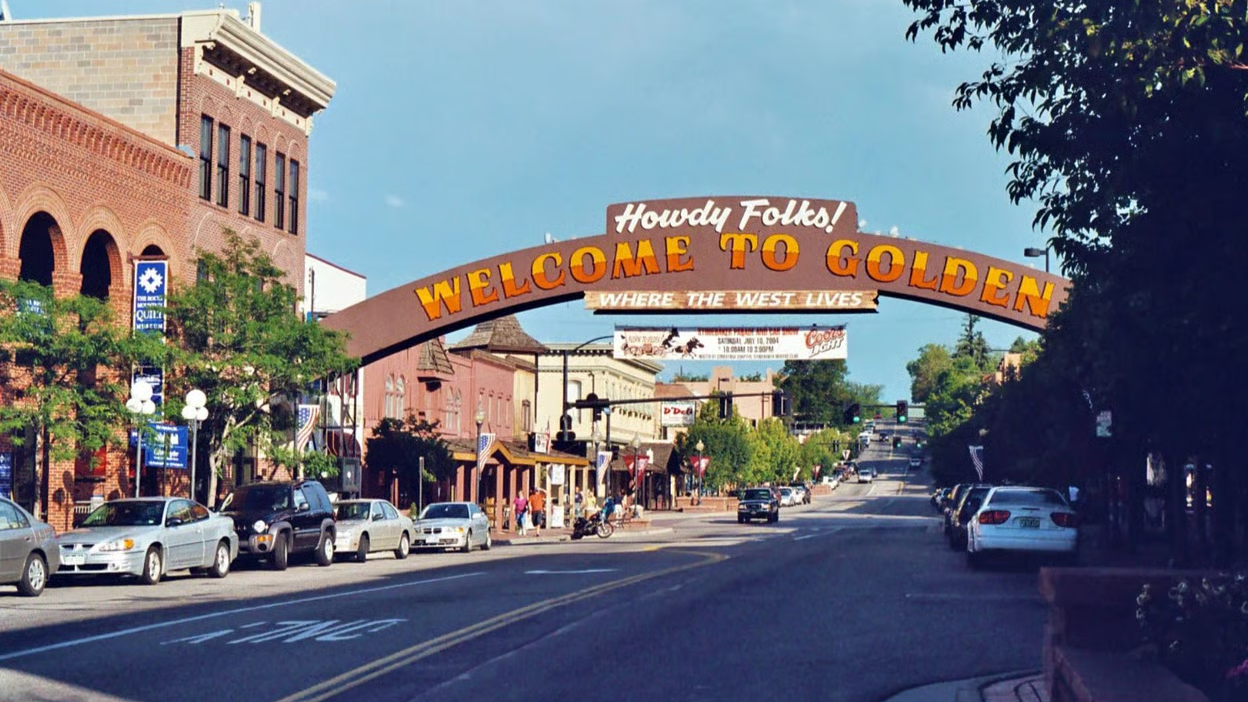
Life in Aurora is a measured blend of suburban calm with intermittent urban energy, largely due to its proximity to Denver. Weekdays tend to follow routines that balance work, family schedules, and commuting, while weekends open up with outdoor activities and community events.
Typical weekday mornings might involve school drop-offs on the way to a commute that usually heads west toward Denver. Many residents organize their time around work and family demands, returning home for evening meals and local recreation. Despite being near a large city, Aurora’s pace remains less hectic than downtown Denver’s core.
Weekends offer a noticeable shift. Outdoor spaces become focal points for leisure. Cherry Creek State Park and Aurora Reservoir provide spots for boating, paddleboarding, hiking, and picnics. Nature lovers appreciate quiet trails at Jewell Wetlands, while families often visit Aurora Sports Park or Expo Park for sports and gatherings.
Community events punctuate the calendar, adding social rhythm beyond routine. Festivals like Global Fest and the Fourth of July Spectacular bring residents together across neighborhoods. As 2026 progresses, venues such as Stanley Marketplace and the city’s eSports centers continue to host happenings that attract diverse groups but maintain an approachable tempo.
This lifestyle reflects a tempo that is neither fast nor slow but moderate—a balance of activity and tranquility shaped by Aurora Colorado’s size and location. Understanding this blend is central to answering is Aurora a good place to live for those seeking a suburban environment with urban access.
The Social and Community Atmosphere
Aurora’s population is notably diverse, comprising families, young professionals, and creatives. This mix shapes a community energy that feels open yet dispersed. The city’s geographic spread means social engagement often requires initiative, but various neighborhoods cultivate close-knit atmospheres through local events and shared spaces.
Family life is supported by parks, sports leagues, and community centers offering structured activities. Recreation programming, including winter activity schedules for 2025-2026, extends opportunities for all ages. Cultural venues such as the Aurora Fox Arts Center provide further social anchors; its upcoming production of Waiting for Godot in early 2026 is one example of ongoing artistic offerings.
Outdoor enthusiasts are drawn to the range of reservoirs, trails, wetlands, and water sports available in and around the city limits. The city’s moderate pace suits people who want access to nature and room to move over the compactness of dense urban centers.
Socially proactive individuals often flourish here. Engaging in festivals, diverse cultural dining options, and community-based events offers pathways to connection in a city that rewards personal initiative.
Additionally, workers who either commute to Denver or operate remotely from quiet Aurora neighborhoods benefit from proximity to job hubs and accessible shopping centers without the bustle of a core city setting.
Understanding these profiles is key to evaluating is Aurora a good place to live in terms of fitting lifestyle and expectations.
Who Might Struggle Living in Aurora
On the other hand, those who might find living in Aurora challenging typically seek a highly urban lifestyle. The lack of vibrant nightlife scenes and dense cultural hubs within the city means entertainment-centered individuals often travel into Denver for those experiences.
Aurora’s sprawling layout also fits less well with people reliant on public transit or preferring neighborhoods where errands and social venues are within walking distance. The dominant car-dependent framework shapes daily life around automotive travel rather than pedestrian ease.
Newcomers expecting immediate neighborhood closeness or instant social bonds may find adjustment slower. The city’s sheer size and diverse composition necessitate proactive social strategies to build meaningful connections.
These realities frame important living in Aurora pros and cons for consideration, particularly for those whose lifestyle priorities center on urban compactness and walkability.
Conclusion
Determining is Aurora a good place to live involves reflecting on individual routine needs, social engagement preferences, desired pace, and tolerance for suburban space. This article has sought to provide a grounded perspective on the lived experience of Aurora Colorado, emphasizing its daily realities over abstract judgments.
The city offers a moderate tempo situated between urban vibrancy and suburban calm, with diverse social and outdoor opportunities shaped by its geography and community fabric. Whether Aurora fits depends heavily on how well those factors align with personal lifestyle choices.
Using this understanding alongside other considerations can support a well-rounded view of living in Aurora pros and cons, contributing meaningfully to any decision-making process about life in this Colorado city.