
Moving to a new city is a big decision, and when that city is Boston, it helps to take a practical “test-drive” before you commit. Knowing how to spend a weekend in Boston before you move gives you an honest look at everyday life, beyond tourist hotspots and typical sightseeing tours. By exploring the city for two days, you can learn about Boston’s unique lifestyle pace, neighborhood character, transportation realities, and community atmosphere. This Boston weekend itinerary and travel guide will help you see if Boston is truly the right fit for your relocation plans.
Relocation experts strongly recommend visiting Boston at least once before making the move. Boston’s compact walkable core, diverse neighborhoods, and active community feel make it easy to experience how real life happens day-to-day. This guide focuses on practical steps to explore Boston’s heart, so you can decide with confidence.
Why a Weekend Visit Helps Before Moving to Boston
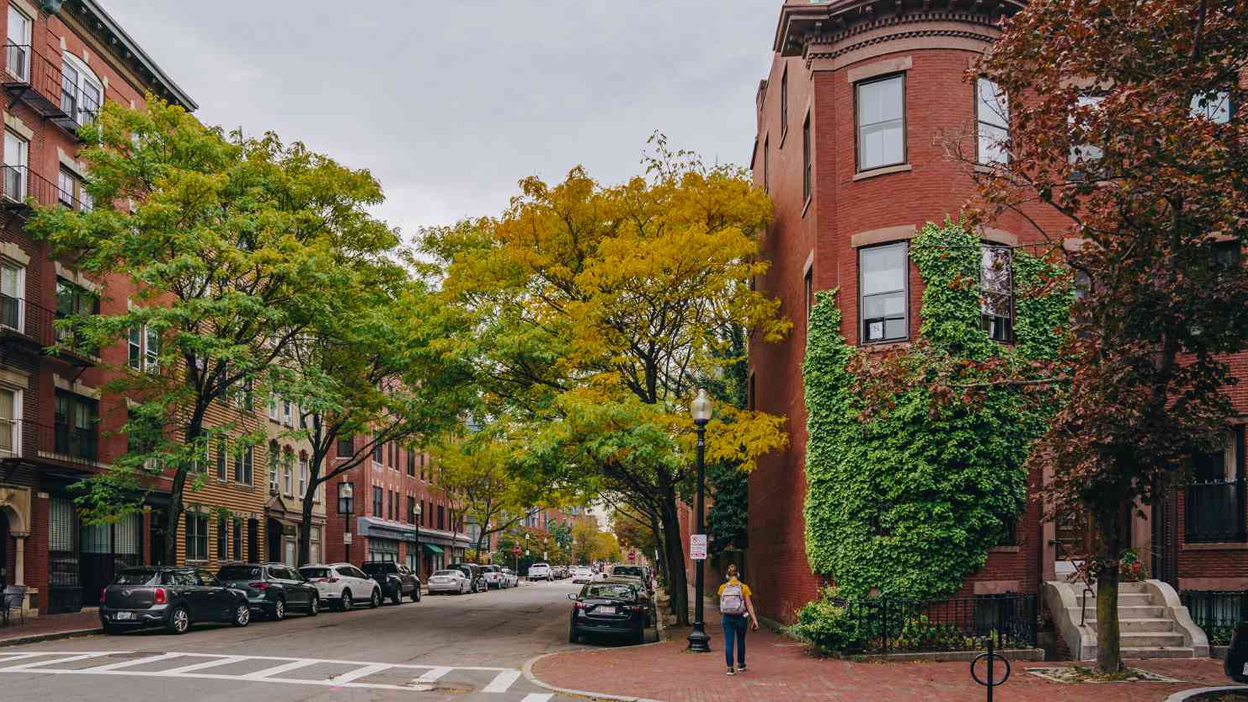
A brief, focused stay allows you to experience Boston’s dynamic pace of life firsthand. The city blends academic energy, outdoor fitness culture, and professional bustle. On weekends, you’ll see residents jogging past Freedom Trail monuments, sharing parks, and living alongside a rich historical backdrop of brick townhouses and modern developments.
Experience Pace of Life and Local Interaction
Boston’s historic core pulses with a mix of students, professionals, and longtime residents. Walking or biking around, you might notice commuters heading to work, joggers alongside university campuses, and families enjoying local parks. This blend of old and new provides a living museum atmosphere, distinct from many other cities.
Understand Transportation Realities
Transportation is a key factor when relocating. Boston’s core neighborhoods—Back Bay, South End, Beacon Hill—are among the most walkable in the U.S., offering car-optional lifestyles. Most residents depend heavily on the MBTA subway, buses, and bike-share systems for their daily commute.
During your weekend, you’ll get a feel for:
- How crowded the T (Boston’s subway) gets at rush hours.
- Walkability between neighborhoods and local shops.
- Traffic patterns and parking challenges if you consider driving.
Walking, cycling, or hopping on the T for short trips reveals transportation realities better than online research.
Explore Boston’s Neighborhood Diversity
Boston is a patchwork of distinct neighborhoods, each with unique personalities:
- Historic and upscale: Beacon Hill, with cobblestone streets and brick townhouses, and Back Bay, known for brownstones and Newbury Street shopping.
- Vibrant and artsy: South End, popular for its galleries, parks, and diverse dining spots.
- Green and residential: Jamaica Plain, known for its access to the Emerald Necklace park system and a quiet community vibe.
- Academic innovation hub: Cambridge, home to Harvard and MIT, with strong biking culture and tech jobs.
Exploring these neighborhoods gives a realistic comparison of living environments, noise levels, transit access, and lifestyle options.
Capture the Community Atmosphere
Spending time in Boston over a weekend also lets you observe who fills local parks, frequents coffee shops, and shops at farmer’s markets. You’ll see how residents socialize, exercise, and commute—important insights into the community vibe. This knowledge helps you weigh the social fit of different neighborhoods you might call home.
Day 1: Getting a Feel for Everyday Life in Boston
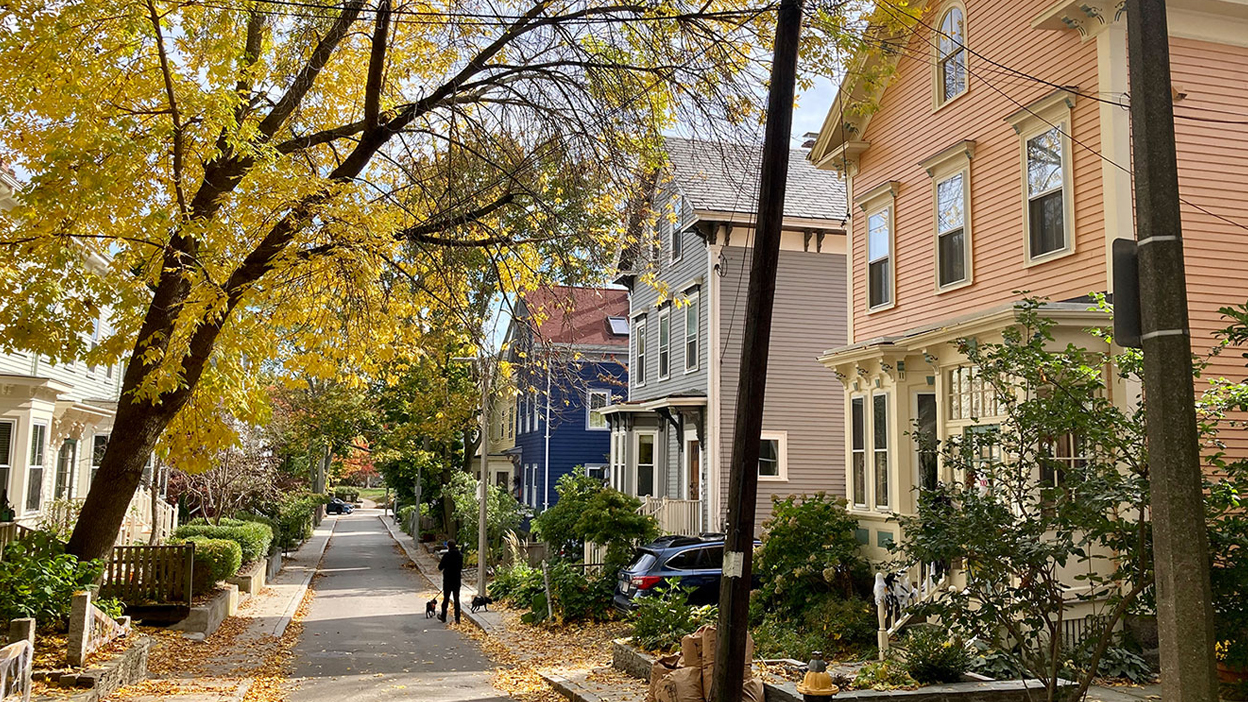
Morning: Walkable Neighborhoods and Local Café Culture
Start your first morning in Boston’s walkable, iconic residential neighborhoods like Back Bay or Beacon Hill. Stroll the brownstone-lined streets of Back Bay and wander along Newbury Street, mingling with locals visiting boutiques and cafés. In Beacon Hill, the cobblestone streets and quaint shops create a village-like atmosphere.
Spend time observing:
- Foot traffic and morning errands.
- Dog walkers and joggers.
- How busy sidewalks feel and how people move without cars.
These neighborhoods showcase Boston’s car-optional lifestyle, where most daily activities happen on foot or via public transit.
Optional: North End and Seaport Districts
- North End boasts strong historical Italian character and food culture, though it attracts heavy tourist crowds, especially in summer.
- Seaport showcases modern waterfront living and new developments, illustrating Boston’s contemporary urban growth with luxury amenities.
What a Weekend in Boston Can and Can’t Tell You
What a Weekend Visit Can Reveal
- Daily routines: when local businesses open, foot traffic flows, and neighborhood energy during morning and evening hours.
- Transit and traffic: MBTA crowding levels, walkability of neighborhoods, and driving and parking feasibility.
- Neighborhood diversity: variations in density, noise, green space, and amenities between places like Back Bay, South End, Jamaica Plain, and Cambridge.
- Community vibe: how engaged residents are in parks, local shops, and events, plus overall safety and friendliness.
What a Weekend Cannot Fully Tell You
- Job market specifics, including industries, salaries, and employer culture, require deeper research via job boards and networking.
- School systems, such as public vs. private options, enrollment policies, and quality, need longer conversations and official data.
- Housing market nuances, like rental costs, lease terms, and seasonal move-in cycles, are complex and demand expert guidance.
- Long-term living realities, including noise year-round, building maintenance, landlord reliability, and winter transit, are hard to assess in a short visit.
A weekend offers a snapshot, but combining it with other research tools and local contacts yields the best relocation decisions.
Tips for Planning Your Weekend in Boston
Best Times to Visit
Plan your visit during spring or fall, when weather is mild, parks bloom, and city life reflects normal rhythms.
- Spring welcomes outdoor patios and garden blooms.
- Fall invites classic New England foliage and vibrant events.
Avoid summer crowds, busy September move-ins, and harsh winters that might distort everyday activity.
Where to Stay
Choose neighborhoods that reflect your likely future lifestyle, such as Back Bay, South End, Beacon Hill, Downtown, North End, or Chinatown/Bay Village. Short-term vacation rentals or boutique hotels let you experience realistic daily life with access to groceries, cafés, and transit.
Navigating Boston Efficiently
- Purchase MBTA daily or weekly passes to test commuting on subway lines likely relevant to your work or study.
- Walk between neighboring districts (Back Bay to South End, for example) to build mental maps and assess walkability.
- Rent bikes or use bike-share programs to try cycling in bike-friendly zones like South End and Allston.
- Consider a short-term car or car-share rental if you expect to live in suburbs or car-dependent neighborhoods.
Allow Time for Spontaneity
Don’t overschedule your trip. Spend unplanned moments:
- Sitting in local parks or cafés and people-watching.
- Exploring side streets and small business districts.
- Visiting farmers markets or community events.
This helps capture authentic neighborhood feel.
Booking Practicalities Without Sounding Promotional
Naturally reference accommodation platforms for centrally located stays, local car and bike rental services, and purchasing transit passes at T stations or apps as tools to explore the city realistically during your weekend.
Conclusion:
Knowing how to spend a weekend in Boston before you move is a vital step to ensuring your relocation suits your lifestyle. This Boston weekend itinerary prioritizes experiencing real neighborhoods, transit networks, parks, and community hubs over tourist attractions and guidebook gloss.
Such a trip gives you a grounded feel for Boston’s rhythms and spaces that online research or superficial visits cannot provide. While a weekend cannot answer everything about jobs, schools, or housing costs, it helps you ask the key question: Can I see myself living here?
Relocation experts and practical travel guides alike recommend dedicating time to this kind of authentic immersion. It’s the most effective way to move forward confidently into Boston life.