Montana’s vast and varied landscape presents unique opportunities and challenges for those considering relocation. This article outlines essential things to know before moving to Montana, providing an analytical overview of the state’s geographic, economic, climatic, and regulatory realities. Recognized as one of the prominent rural mountain states in the U.S., Montana’s defining characteristics—including its expansive size, diverse terrain, fluctuating climate zones, and predominance of rural living—shape the relocation experience at a structural level.
This guide focuses on statewide patterns rather than city-level specifics or lifestyle impressions. Readers exploring moving to Montana will gain practical, data-driven insights to support informed decision-making before choosing a particular city or region within the state.
Geographic and Regional Differences Within Montana
Montana ranks as the fourth-largest U.S. state, stretching over 146,316 square miles. Physically and environmentally, it divides sharply into two major geographic zones: the mountainous western region, which covers roughly 40% of the state, and the eastern Great Plains, comprising about 60%.
Major Geographic Regions and Terrain Diversity
Montana’s official delineation of seven geographic regions exemplifies its terrain diversity:
- Northwest Montana: Centered near Kalispell, includes Flathead Lake, known for its mountainous environment.
- West Central Montana: Surrounds Missoula, intersected by rivers such as Clark Fork, Blackfoot, and Bitterroot.
- Southwest Montana: Near Bozeman, encompassing Madison, Gallatin, Jefferson, and the upper Missouri rivers.
- North Central Montana: Around Great Falls, includes the lower Missouri and Smith rivers.
- South Central Montana: Billings region, drained by the Yellowstone, Stillwater, Bighorn, and Boulder rivers.
- Northeast Montana: Glasgow area featuring Fort Peck Reservoir.
- Southeast Montana: Miles City region at the confluence of Missouri, Yellowstone, and Tongue rivers.
The presence of major rivers and lakes frames where much of Montana’s population and infrastructure are situated.
Elevation and Climate Variation
Elevation profoundly impacts Montana’s climates. Western mountainous areas experience humid continental (Dfb) and higher elevation continental subarctic (Dfc) climates, supporting more precipitation through snowfall and milder winters. In contrast, the eastern plains are classified mainly as semi-arid steppe (BSk), with drier conditions and more extreme temperature fluctuations.
This geographical and elevational contrast yields significant weather variation statewide, including differences in precipitation patterns, temperature ranges, and seasonal effects.
Regional Environmental Risks
Environmental risks vary regionally. The western mountains experience heavy snowfall and frequent winter storms, making snow-related hazards prominent. Eastern Montana faces severe cold winters, with record lows such as -70°F documented, and risks of flooding in river valleys following spring thaw or precipitation events. Wildfire risk is uneven across the state, largely dependent on local vegetation density and dryness, with some dryer plains and foothill areas especially vulnerable. Understanding these risks is critical for prospective residents.
Urban vs Rural and Regional Living Patterns
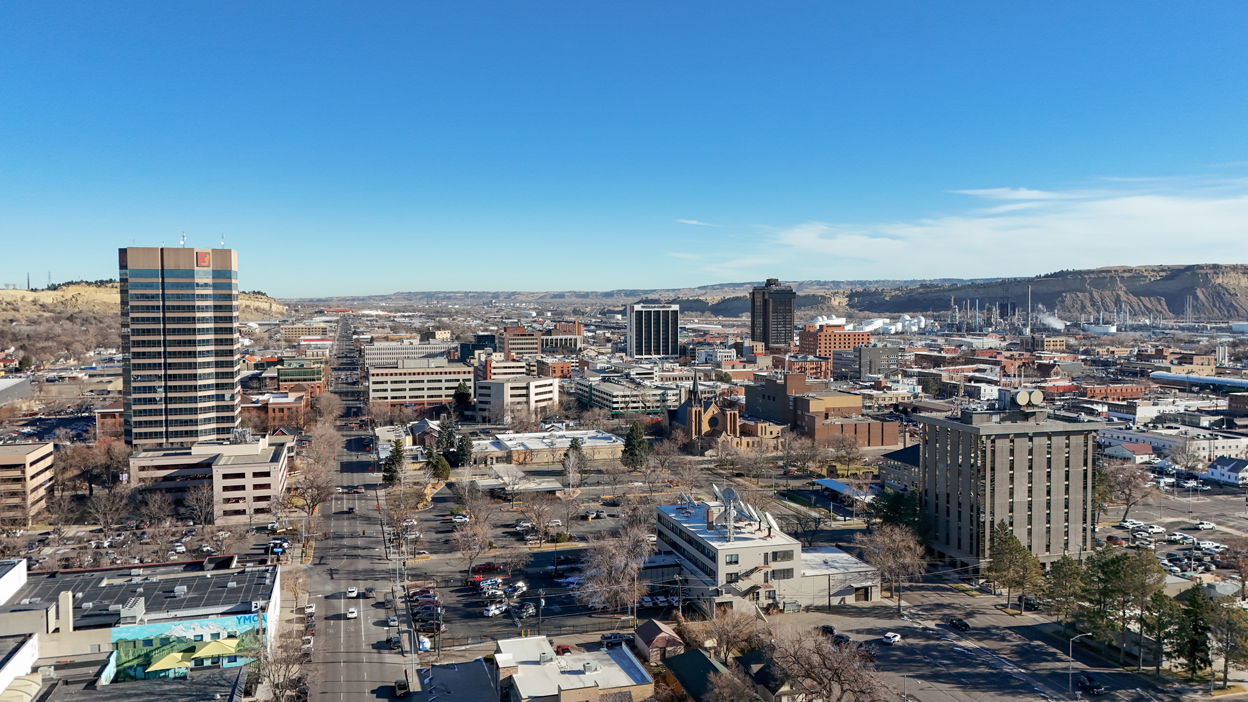
Montana’s population clusters are limited to relatively small urban centers, including Billings, Missoula, Great Falls, and Bozeman. These towns predominantly form along river corridors and transportation routes, offering more concentrated infrastructure and services.
Predominance of Rural and Mountainous Areas
The bulk of Montana, however, consists of low-density rural and mountainous areas. Outside urban centers, residents typically encounter limited public transit, heightened dependence on personal vehicles, and varying access to healthcare and retail services. Infrastructure in these rural parts often reflects typical rural mountain states conditions—sparse population, fewer utilities, and reliance on localized, community-based services.
These climate realities and environmental risks strongly influence housing, infrastructure, and lifestyle planning when moving to Montana.
Cultural, Social, and Lifestyle Norms (Broad State Level)
Montana has a low population density overall, with a median age higher than national averages, reflecting trends common to rural mountain states.
The state’s cultural composition includes significant Native American heritage, alongside influences from its frontier history.
Statewide, outdoor recreation is widely prevalent, and there is an emphasis on community cohesion and individual self-reliance. These broad characteristics inform social norms and community dynamics at a statewide level rather than city-specific cultural scenes.
Taxes, Regulations, and Long-Term Planning Factors
Montana’s taxation system includes:
- A state income tax.
- No state-level sales tax.
- Moderate property taxes varying by county.
Insurance requirements mandate liability coverage for drivers, and specialized wildfire and winter hazard insurance are common considerations given Montana’s environmental risks.
Building codes follow climate zone 6 standards, focusing on insulation and energy efficiency suitable for harsh winters.
Zoning regulations vary by county, often reflecting rural character and land use priorities. Environmental regulations are particularly relevant near public and protected lands.
Understanding these regulatory and tax frameworks is essential for financial and logistical planning before moving to Montana.
Who Montana Is Generally a Good Fit For
Montana typically suits:
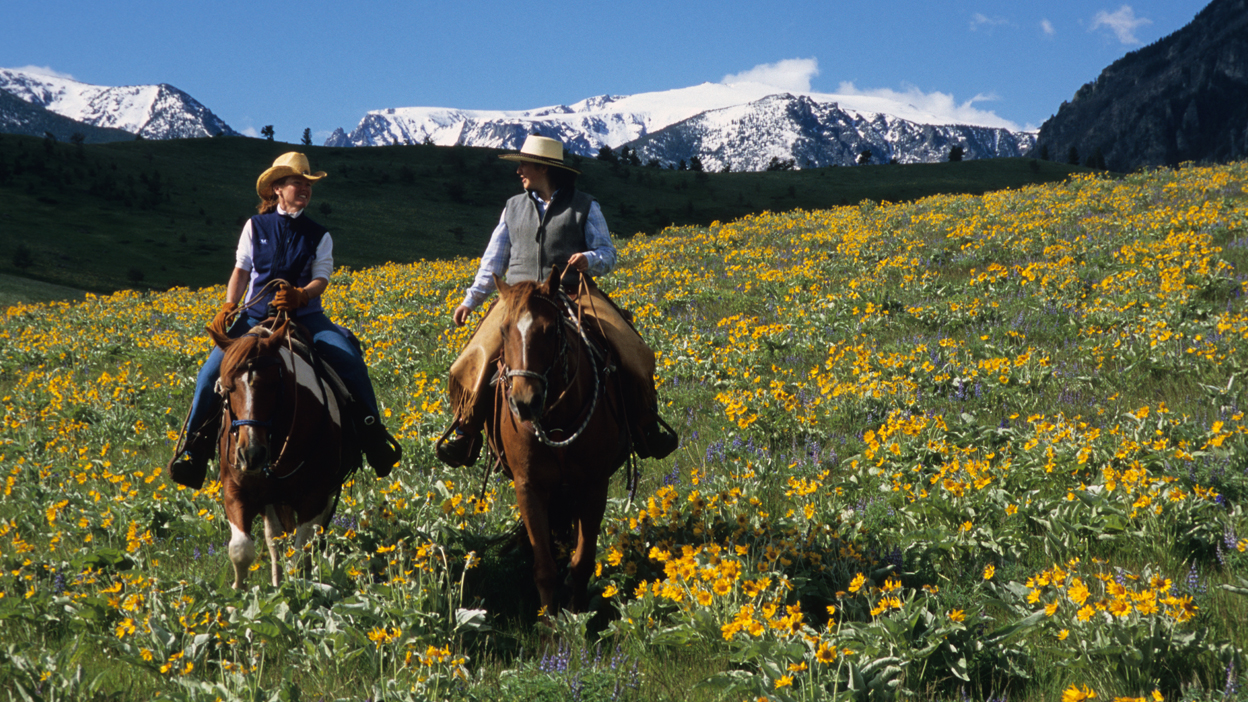
- Individuals comfortable with rural and mountainous environments.
- Outdoor enthusiasts prioritizing access to nature and recreational activities.
- Retirees seeking lower-density and natural settings.
A preference for self-sufficiency and tolerance for limited infrastructure and seasonal weather challenges aligns well with Montana’s realities.
These are key things to know before moving to Montana for evaluating personal compatibility with the state.
Who Should Research Further Before Moving
Certain groups should undertake detailed, location-specific research prior to relocation:
- Families prioritizing school quality and educational resources.
- Professionals requiring more diverse urban job markets.
- Individuals sensitive to climate extremes, including cold winters and wildfire risks.
- Those dependent on extensive public transit or seeking short commutes.
Given Montana’s size and diversity across geographic, economic, and service dimensions, detailed county and city-level analysis is recommended when considering moving to Montana.
Conclusion
Understanding Montana’s geographic diversity, economic landscape, infrastructural realities, and climate complexities is critical before committing to relocation. This article has provided a comprehensive, objective resource outlining essential things to know before moving to Montana.
For prospective residents, combining this statewide overview with further research on specific cities and counties aligned to individual needs will lead to the most successful relocation outcomes.
By focusing on structural, regional, and environmental factors rather than anecdotal or city-level lifestyle narratives, this guide supports informed decision-making for those considering moving to Montana—one of the nation’s distinctive rural mountain states.