
If you are considering moving to Kansas, this article offers a comprehensive and factual overview of key statewide factors to support your early-stage research and relocation planning. Focusing on practical, objective information rather than personal experiences, we cover geography, economy, climate, lifestyle, and regulations that shape living in this central US state. Positioned approximately in the country’s heartland—between the Rocky Mountains to the west and the Appalachian range to the east—Kansas stands as a pivotal geographic and cultural hub. Understanding these broad realities is essential for those moving to Kansas who have not yet selected a specific city or region.
This guide details the things to know before moving to Kansas, focusing on structural and environmental aspects across different areas of the state. It aims to provide foundational knowledge important for narrowing down future destination choices.
Geographic and Regional Differences Within Kansas
Kansas covers diverse geographic zones that influence climate, population distribution, ecology, and land use. The state can be divided into four major physical regions:
- Eastern Plains: Characterized by a humid continental climate, this zone receives annual precipitation between 30 and 40 inches. Soils here are generally fertile, supporting intensive agriculture.
- Western Plains: A semi-arid region, the western plains receive only 15 to 25 inches of annual rainfall, drier conditions resulting in limited crop variety and more ranching.
- Flint Hills: Located centrally-east, this area is notable for rolling grasslands and contains the Tallgrass Prairie Preserve, one of the largest intact prairie ecosystems in North America.
- Major River Valleys: The Kansas and Arkansas Rivers run through the state, influencing settlement patterns and water availability primarily in the eastern half.
Elevation ranges significantly, from around 679 feet at the Verdigris River in southeast Kansas up to 4,039 feet at Mount Sunflower, the state’s highest point near the western border. This variation contributes to different climate zones—higher elevation areas trend cooler and drier.
Population density mirrors these geographic and climatic patterns. Eastern Kansas hosts the majority of residents due to fertile soil, abundant water sources, and earlier settlement timelines. Western Kansas remains sparsely populated, with large, open agricultural and ranch lands dominating.
Environmental risks are statewide but vary regionally. Kansas lies firmly within Tornado Alley, experiencing 50 to 100 tornadoes annually, especially in spring and early summer months. Droughts tend to be more prevalent in western Kansas, periodically stressing water supplies and agriculture. These risks directly inform building codes, insurance rates, and community planning across regions.
Urban vs Rural and Regional Living Patterns
Kansas displays a clear urban-rural divide when it comes to population density and lifestyle:
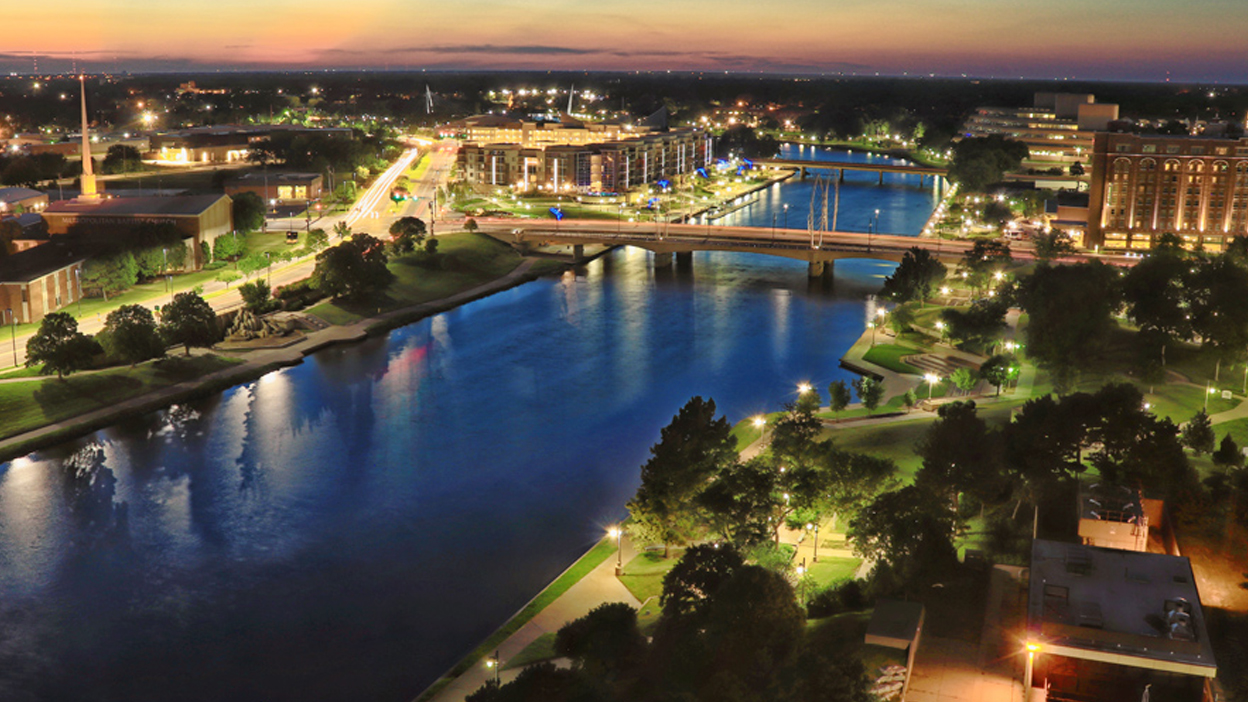
- Urban Centers: Include regional metros such as Wichita (the largest city) and Topeka (the capital), featuring denser populations and wider access to services.
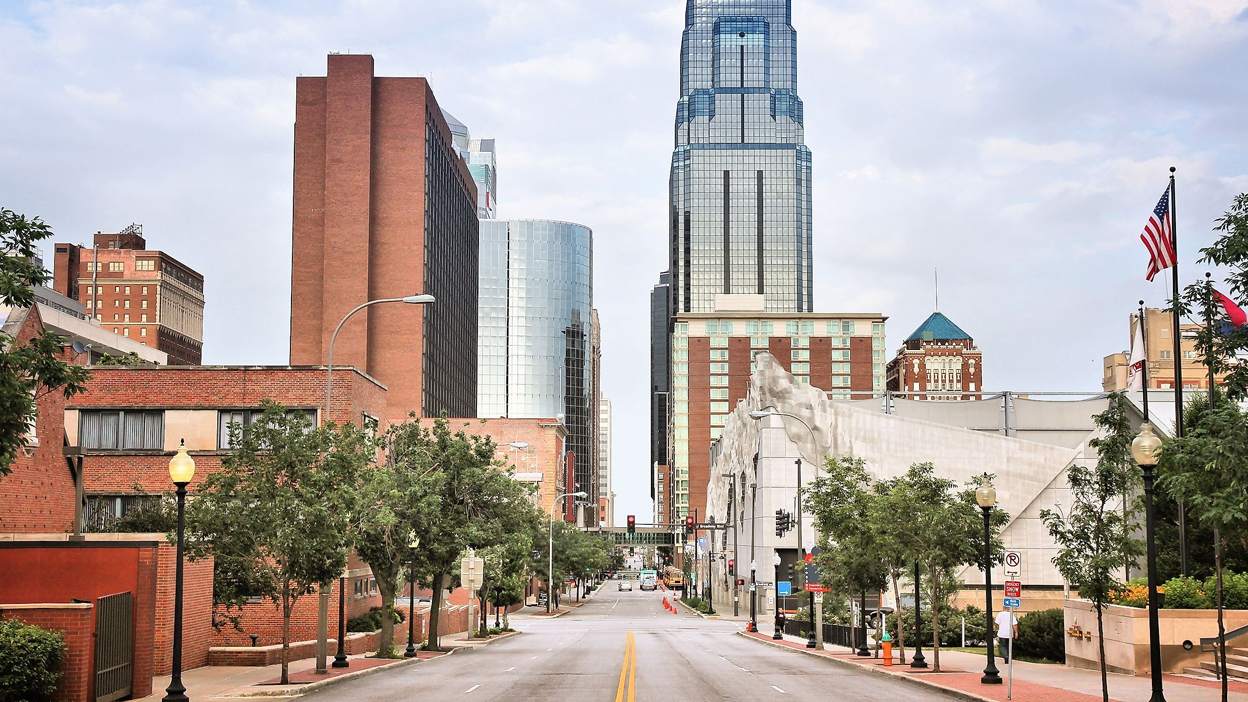
- Suburban Areas: Mainly concentrated near Kansas City’s metropolitan edge, suburbs like Lenexa and Overland Park offer mid-density living with extensive amenities and infrastructure.
- Rural Countryside: Comprising roughly 90% of the state’s land area, rural Kansas consists primarily of agricultural and ranching communities with very low population densities, often under 10 persons per square mile in western counties.
Population density exceeds 1,200 persons per square mile in eastern urban and suburban counties but falls drastically moving westward, reflecting agricultural viability and economic concentration.
Service availability also varies substantially. Urban and suburban eastern Kansas provide robust healthcare systems, schooling options, retail centers, and public services. Conversely, rural western areas often require residents to travel longer distances—sometimes 30 miles or more—to access specialized medical care, advanced education, and major shopping facilities.
Cultural, Social, and Lifestyle Norms (State-Level Overview)
Kansas’s population totals roughly 2.9 million, with a low overall density of about 35 people per square mile. The median age sits near 37 years.
Demographic Composition
- Approximately 85% White
- 6% Black or African American
- 5% Hispanic
- Growing Asian populations primarily in metropolitan zones
Cultural Influences
The state’s cultural foundations stem from its central US agricultural heritage. Midwestern values thrive statewide, emphasizing attributes such as hard work, community engagement, self-reliance, and pragmatic lifestyles.
Social Patterns
- Rural Kansas: Exhibits a slower pace of life, organized around local churches, county fairs, and agricultural events fostering strong community ties.
- Urban/Suburban Kansas: Areas around Wichita and Kansas City combine urban-suburban amenities with cultural activities such as arts programs, local cuisine traditions including barbecue, and family-centered events.
Taxes, Regulations, and Long-Term Planning Factors
Tax Structure
- Income Tax: Progressive brackets from roughly 3.1% to 5.7%, with a proposed shift to a flat tax rate under consideration.
- Sales Tax: Statewide base of 6.5%, with local additions sometimes raising rates to near 10%.
- Property Tax: Effective rate averages 1.3%, positioning Kansas moderately national-wide.
Insurance and Mandatory Coverage
Auto insurance mandates higher minimum coverage due to rural road risks and weather-related incidents. Homeowner’s insurance generally includes wind and hail coverage given tornado prevalence.
Housing and Zoning
Predominantly single-family residential zoning exists outside city limits. Agricultural land is protected through exemptions, and state environmental regulations concentrate on drought-related water conservation rather than coastal or floodplain-specific rules.
These factors affect long-term residential stability, business site planning, and investment decisions statewide.
Who Kansas Is Generally a Good Fit For
- Agricultural Workers and Agribusiness: Benefiting from the statewide farming and ranching economy.
- Aerospace and Manufacturing Professionals: Particularly those linked to the industrial clusters near Wichita.
- Energy Sector Employees: Engaged in oil and gas extraction and associated enterprises in western Kansas.
- Retirees and Families: Seeking affordable housing with access to mid-sized urban and suburban amenities.
Individuals comfortable with the climate, pace, and cultural norms typical of central US states will find Kansas an accommodating environment balancing affordability and opportunity.
Who Should Research Further Before Moving
- Those Seeking High-Level Education and Specialized Healthcare: These services vary substantially across counties and cities.
- Climate-Sensitive Individuals: People intolerant of humidity, tornado risk, or drought conditions should examine geographic climate distinctions carefully.
- Specialized Employment Seekers: Job prospects and industry presence differ significantly at the city or regional level beyond statewide sector overviews.
This article presents foundational information for initial planning; detailed local research is recommended to finalize decisions.
Conclusion
Understanding the things to know before moving to Kansas—including its geographic regions, economic sectors, climate and environmental risks, urban-rural living differences, transportation realities, and financial considerations—is critical prior to selecting a specific destination within the state. Kansas, as a central US state, offers a diverse yet pragmatic environment shaped by natural and economic patterns.
This statewide knowledge base should be supplemented with in-depth local research tailored to individual priorities such as education, healthcare, or specialized employment, ensuring well-informed relocation planning. Addressing these factors thoughtfully provides a robust foundation for anyone moving to Kansas.