
When asking the question, is Massachusetts a good place to live?, the answer isn’t straightforward. It depends heavily on how personal values, lifestyle preferences, and expectations align with the distinctive environment and rhythms of the state. What feels right for one person might be less comfortable for another. This is not about abstract rankings or popular reputation, but about the real, lived experience of Massachusetts—and how well that fits with your own way of life.
In this blog, we explore broad lifestyle impressions and patterns across Massachusetts. We focus on core aspects of living in Massachusetts and what it generally feels like to move here. Our goal is to offer grounded, experience-based insights—not promotion, not data-driven comparisons. Whether you are considering moving to Massachusetts or just curious, this article aims to clarify who tends to feel comfortable here—and who often doesn’t—based on lifestyle fit.
What Living in Massachusetts Generally Feels Like

The MA lifestyle is characterized by notable contrasts in tempo and space. Across the state, you encounter a varied pace of living. Many areas in the eastern part of Massachusetts, including dense urban and suburban communities, carry a traditionally fast-paced rhythm. The daily flow is often brisk, with people balancing time-sensitive routines, packed schedules, and the bustle of busy streets and transit systems.
Conversely, the western and more rural regions tend to feel slower and more spacious. Here, life moves at a more relaxed clip, with less pressure caused by congestion or tightly timed commutes. The connection to natural surroundings emphasizes openness and a contemplative quality absent from the rapid buzz of city life.
Massachusetts is a relatively compact state—covering roughly 7,800 square miles—but population density varies dramatically within it. Some parts are tightly knit, with neighborhoods, schools, and shops within easy reach. Other parts spread out with significant stretches of forest, hills, and farmland. This geographical diversity directly affects everyday mobility. In crowded eastern areas, many residents rely on public transit systems like the MBTA to commute and run errands, adapting to a shared urban rhythm. In contrast, in the rural west and less dense zones, cars are a necessity, shaping more solitary, less predictable daily routines.
This mixture of condensed, commuter-oriented living and open, car-dependent surroundings influences how people experience time and space in Massachusetts. In sum, the MA lifestyle is not uniform; it oscillates between energized, collective activity in urban centers and quiet, spacious living in rural regions.
Community, Culture, and Social Atmosphere
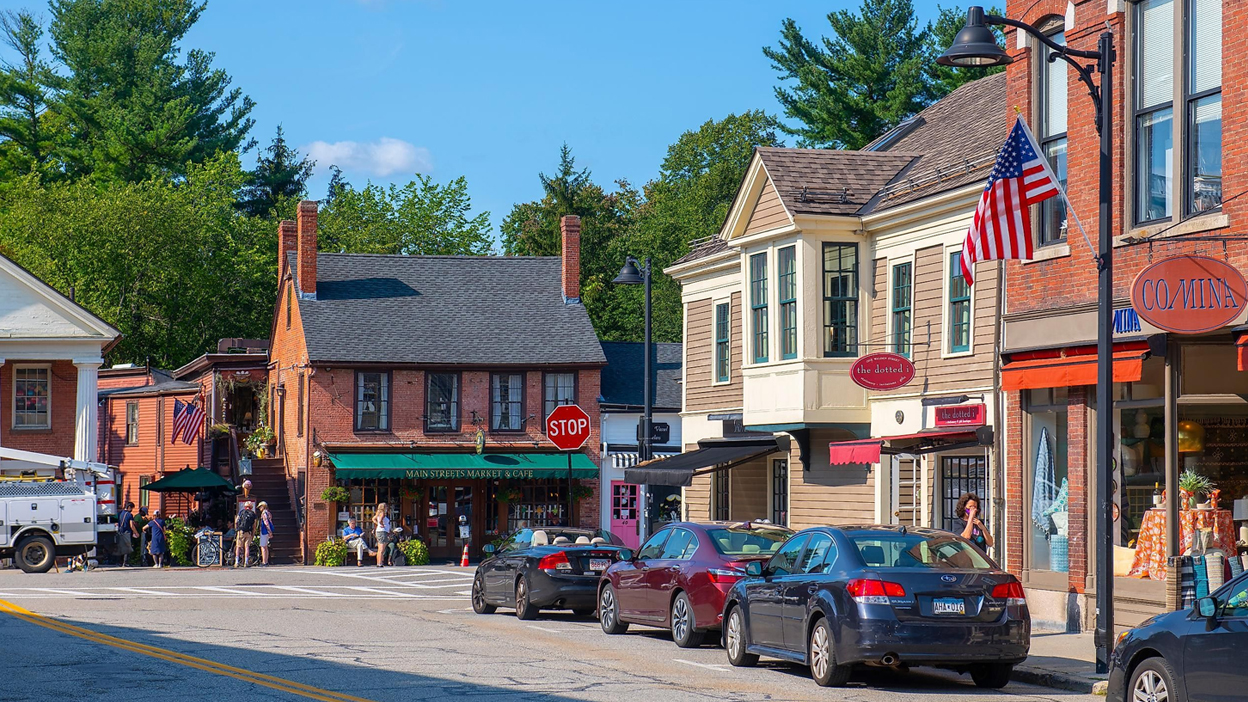
One defining feature of living in Massachusetts is its social and cultural atmosphere, which often carries an intellectual and historically grounded tone. Many residents take pride in the state’s rich colonial heritage and deep ties to American history. This heritage permeates community life, manifesting in local traditions, preserved architecture, and an awareness of how past events shape the present.
In many parts of the state—especially in the well-educated suburbs—community life centers on active civic participation and a culture of engagement. Debate, education, and a value for thoughtful discussion are common. People often expect more than surface-level small talk—they favor substantial, content-rich interaction. This cultural depth appeals especially to those who appreciate substance and engagement over casual or transient conversations.
Those who appreciate distinct seasonal rhythms often find personal satisfaction in Massachusetts. The marked change from winter to fall to spring invites outdoor activities, seasonal rituals, and adaptability, suiting people who enjoy living in tune with nature’s cycles.
Lastly, the varied landscapes—coastline, forests, cityscapes, and farmlands—offer daily aesthetic and recreational variety. Those who value natural diversity alongside cultural amenities often develop strong attachments to the state.
Who Might Struggle Living in Massachusetts
While Massachusetts works well for many, it may not be the best fit for everyone. Some people encounter challenges related to the state’s intrinsic characteristics.
Those who prefer extremely laid-back and expansive living with minimal seasonal shifts could find Massachusetts confining. The relatively compact size and variable but often dense population can feel claustrophobic to those seeking wide-open space. Likewise, the climate’s sharp seasonal changes, particularly the long cold winters, may create discomfort for residents accustomed to more mild or constant conditions.
People less interested in engaging with history-rich, intellectually oriented social atmospheres might feel out of step with much of the MA lifestyle. The strong local identities, rooted debates, and layered traditions require some level of cultural participation or appreciation. Uniform social atmospheres lacking in regional variation are uncommon. For those seeking greater social homogeneity or lower expectations around involvement, this environment can feel alienating.
Individuals who require highly flexible, loosely structured daily rhythms might find the commuter-centered zones restrictive. Rigid job schedules, public transit timetables, and urban energy often leave little space for spontaneous lifestyle choices. Additionally, long travel distances in rural parts may frustrate those not comfortable with car reliance or time spent commuting.
These reflections are not judgments but realistic considerations for lifestyle fit. Knowing these tendencies helps those thinking about moving to Massachusetts to assess whether the state’s typical rhythms align with their personal needs.
Conclusion
When evaluating is Massachusetts a good place to live?, the best approach is thoughtful reflection on how the state’s lifestyle suits individual values, habits, and tolerances. Massachusetts is costly in many ways, both financially and in time commitments, and cultural life demands engagement with its historical richness and intellectual traditions.
The experience of living in Massachusetts depends on resonance with its varying rhythms—from Boston’s vigorous bustle to the contemplative calm of western rural areas. Seasonal shifts, regional diversity, and structured work routines all shape a lifestyle that can be deeply rewarding or challenging depending on personal fit.
For anyone considering moving to Massachusetts, setting realistic expectations about the state’s environment and social patterns is vital. Success and satisfaction follow from aligning one’s own lifestyle with the state’s unique cultural tone, pace, and natural surroundings, rather than expecting universal excellence or ease.
Ultimately, whether Massachusetts is a good place to live hinges on match, not measure—on how well your lifestyle meshes with the broad, complex fabric of this historic and diverse New England state.