
Moving to a new city involves many decisions. Denver often draws newcomers with a mix of career chances, outdoor living, and a lifestyle that balances work and play. Understanding what life in Denver truly looks like, beyond the surface, helps you prepare for a smoother transition. This guide shares what you need to know before moving to Denver, including the cost of living, neighborhoods, jobs, daily life, and the weather. Whether you’re relocating for work or lifestyle, these insights cover practical points for living in Denver Colorado and enjoying the Colorado lifestyle.
Why People Move to Denver
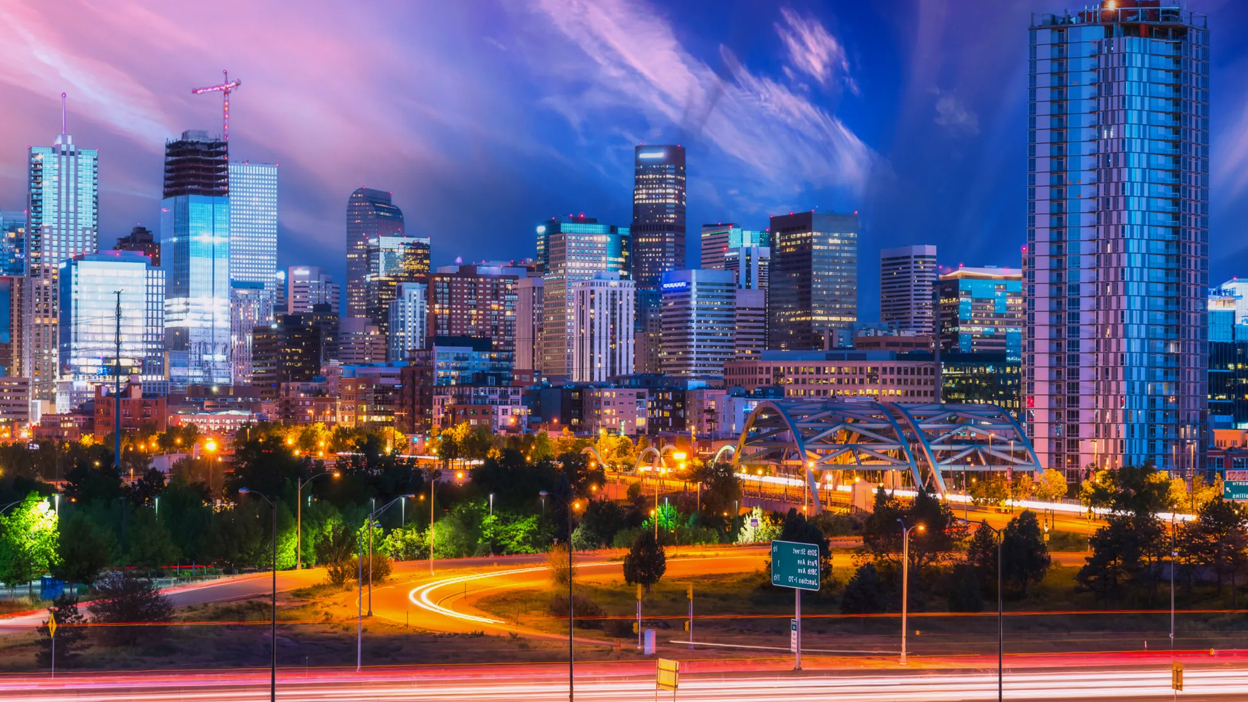
Many people choose Denver for clear, practical reasons. The city hosts growing industries like technology, IT, finance, software development, and artificial intelligence. These fields offer a range of job opportunities with good pay and flexible options, including remote and hybrid work.
Denver also stands out because it blends outdoor life into everyday routines. Neighborhood trails and easy mountain access mean hiking, biking, or skiing are never far away. The sunny climate and four distinct seasons support year-round activities, which is part of the appealing Colorado lifestyle.
Beyond work and nature, Denver has a midsize metro feel. It feels lively without overwhelming crowds, providing career momentum but with space to breathe. The city’s neighborhoods are diverse, supporting different lifestyles, and the local business scene has plenty of restaurants and breweries. This combination draws many who value both urban and outdoor amenities.
How the Cost of Living Affects Daily Life
Denver’s cost of living is higher than in many other cities, and housing prices play a large role here. This impacts everyday choices such as grocery shopping, transportation, and entertainment, making them feel more expensive compared to other regions.
Many newcomers find they need to adjust how they live to fit their budgets. Choosing more spacious homes in suburbs or nearby towns is often preferred over smaller, pricier places downtown. These decisions change daily routines, with longer commutes replacing the convenience of city-center living. People often limit spending on urban outings and reconsider where to invest money each month.
This reality shapes the Colorado lifestyle for many who move here — balancing desired space and lifestyle with what their wallet allows is a common challenge.
Housing and Neighborhoods Newcomers Should Understand
Denver offers a wide variety of neighborhoods that suit different needs. Some parts of the city feature walkable urban settings with restaurants and shops close by, making them attractive for those prioritizing convenience. In contrast, outer suburban areas provide larger homes, yards, and quieter surroundings — ideal for families or remote workers seeking room to spread out.
New arrivals from denser cities or very small towns often need time to adjust to Denver’s mix of liveliness and open space, finding their own pace in the city’s diverse social fabric.
Paperwork and Setup Tasks After Moving
After you arrive, certain practical tasks require timely attention. Transferring your driver’s license and registering your vehicle with Colorado authorities is important and usually needs to happen within a few weeks or months depending on prior residency.
Updating voter registration, school records, and addresses for bills or services keeps things current and smoothes future interactions. Setting up utilities like electricity, water, gas, and internet early avoids hassles.
Other details such as mail forwarding and any pet registrations should not be overlooked. Organizing these tasks well helps make the overall transition easier while you settle into housing and employment.
Common Challenges New Residents Face
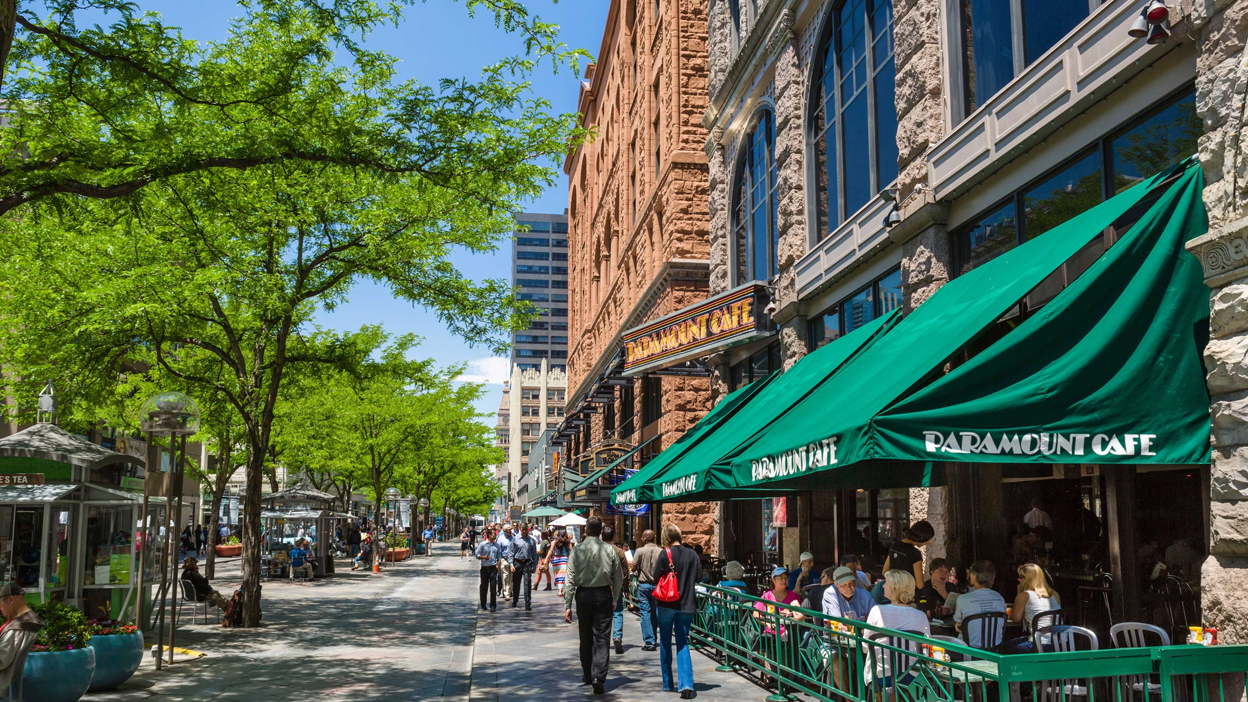
Many newcomers find housing availability tight, which means compromises on size, location, or having to consider suburbs beyond Denver itself. The city’s higher cost of living creates financial pressures coupled with a job market that requires persistence and flexibility.
Adjusting to Denver’s altitude and dry climate can take time and patience. Driving patterns and traffic may be different from what previous residents are used to. Building a social network is important but can feel challenging in a city that attracts lots of young professionals and a shifting population.
Realistic expectations and careful planning help work through these challenges, making life in Denver more manageable.
Conclusion
Living in Denver Colorado involves weighing many practical factors. The growing job market, especially in tech and finance, offers opportunities but also requires preparation. Housing means choosing between downtown convenience and suburban space, while weather demands acclimation and sensible care. Administrative tasks like license transfers and utility setups are essential steps soon after moving. Understanding these realities supports better decisions before and after the move.
Denver is a city defined by outdoor access and career options, balanced with a lifestyle that fits many but asks for adjustments. With grounded planning and an eye on real costs and requirements, newcomers can settle in with fewer surprises and enjoy the unique Colorado lifestyle this city offers.