Moving to San Francisco means more than just changing your address. Many newcomers experience surprises and adjustments that go beyond the physical act of relocation. Understanding what to expect when moving to San Francisco can help ease the transition into this unique urban environment.
San Francisco’s essence shines through its dense, walkable 49-square-mile core. The city blends a global tech culture with iconic scenery and distinctive policies that shape daily life. Living in San Francisco often involves navigating high housing competition alongside unusual geographic features like steep hills and microclimates, which influence your everyday experience. The Bay Area lifestyle reflects this complex mix — a rhythm shaped by its urban density, transit systems, and vibrant, varied neighborhoods.
The First Weeks: Initial Impressions and Reality Checks
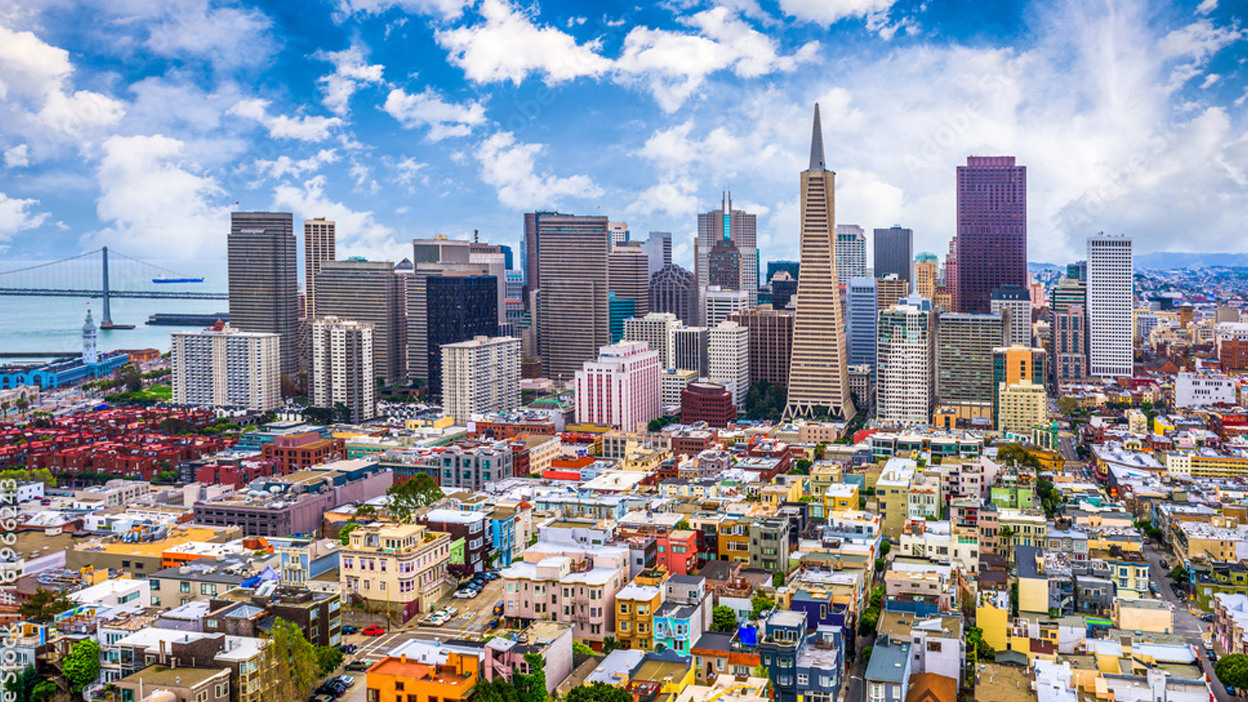
When moving to San Francisco, your senses will quickly pick up on its distinctive soundscape. Constant foghorns echo near the bay, the clang of historic cable cars punctuates downtown streets, and a steady hum of street noise fills the air. These sounds mark your entry into a city alive with movement and layered urban life.
San Francisco’s spatial layout is compact but layered with numerous micro-neighborhoods, each with its own character. Whether it’s the upscale charm of Pacific Heights or the high-energy urban vibe of SoMa, variety is the norm. Yet, steep hills dominate the terrain, challenging both foot and vehicle movement. Walking up streets like Filbert or Vallejo reveals how these inclines shape navigation and feel.
Weather adds another layer of complexity through microclimates. You might experience bright, sunlit skies in South Beach, just a few miles from the foggy Marina district. This sudden shift in weather is typical and can catch newcomers off guard. These microclimates are a core part of living in San Francisco, influencing how you dress, plan outdoor activities, and even commute.
Getting familiar with community-specific behaviors also takes time. For example, Pacific Heights is known for walkability and a quiet residential pace. Meanwhile, SoMa pulses with the energy of tech professionals, nightlife, and newer condos. Parking challenges add to early frustrations. Victorian homes often have narrow, winding stairs complicating moving and daily routines. Curb space is limited; many spots require pre-booked permits from SFMTA, adding a bureaucratic layer to parking woes. Residents heavily rely on public transit as car ownership is less practical here.
These first weeks introduce the multi-dimensional reality of living in San Francisco, testing your adaptability and patience as you adjust to the city’s sensory, geographic, and social nuances.
How Long It Usually Takes to Feel Settled
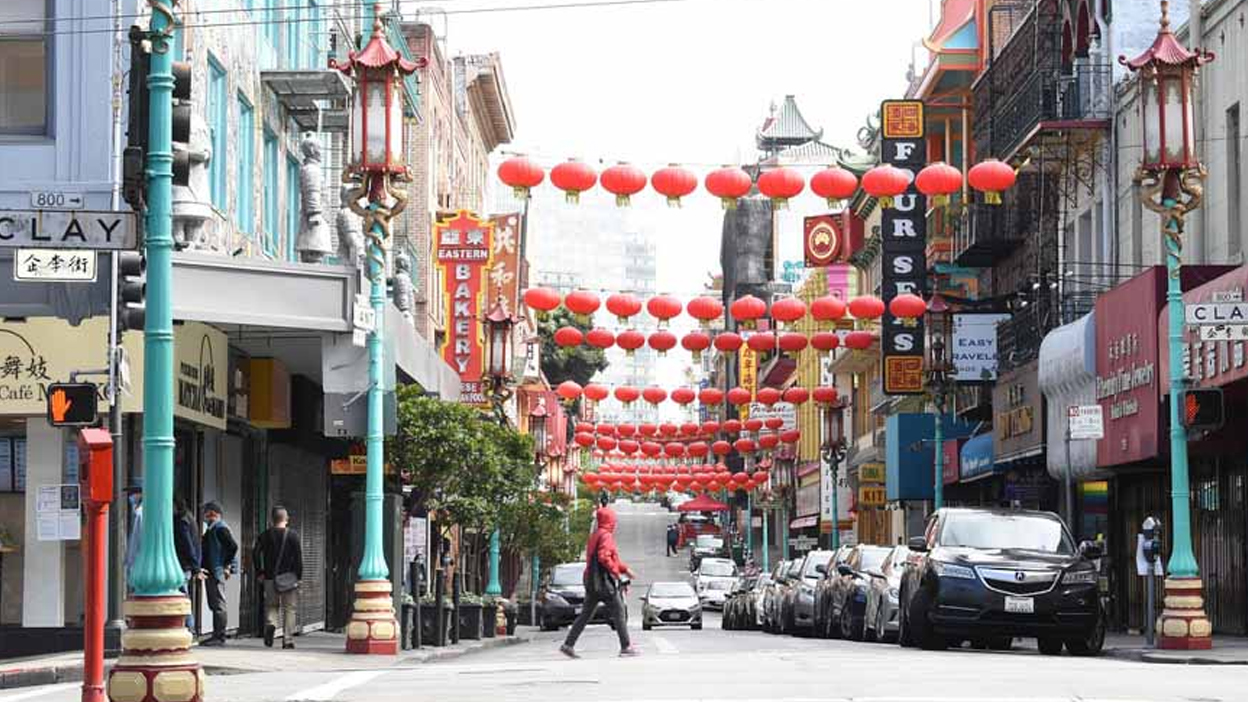
The timeline for feeling settled in San Francisco varies widely. Factors include your chosen neighborhood, personal situation, and work or family commitments. Transit-rich neighborhoods like SoMa often provide quicker acclimation thanks to easy access and concentrated services. More exploratory neighborhoods such as outer Richmond or Forest Hill might require extended adjustment periods.
Flexibility and patience are essential traits while navigating high housing competition, challenging geography, and fluid microclimates. Some newcomers find investing in walkable and biking infrastructure accelerates their integration into the Bay Area lifestyle, improving comfort and mobility.
There is no fixed endpoint for feeling truly settled. The process is a fluid journey shaped by individual needs, preferences, and the city’s ever-evolving fabric.
What Helps the Transition Feel Easier
Building daily routines around reliable transit fosters stability. Prioritizing Muni and BART commutes reduces stress and streamlines movement across neighborhoods. Exploring flat, pedestrian-friendly neighborhoods like Inner Sunset offers comfortable zones to establish walking patterns and daily errands.
Patience is crucial. Realistic expectations about pre-move logistics, such as committing to housing leases or navigating SFMTA permits, prevent initial overwhelm. Accepting these processes as part of the city’s fabric contributes to mental ease.
Embracing San Francisco’s quirks—historic streetcars, fog shapes, and a lifestyle less centered on cars—helps cultivate a sense of belonging. Developing appreciation for these unique characteristics smooths adaptation and embeds newcomers within the Bay Area lifestyle.
Conclusion
Feeling unsettled or surprised after moving to San Francisco is common and perfectly normal. The city’s complex dynamics—from its competitive housing market to varied microclimates—naturally challenge newcomers. These experiences do not indicate a misstep.
Adopting patience and maintaining openness to an evolving adjustment phase allow for gradual ease. The transitional period is a valuable part of starting fresh in a place as distinctive as San Francisco. Embracing this process helps new residents connect with the rhythms and richness of the Bay Area lifestyle, unlocking its unique rewards over time.