
When pondering is Michigan a good place to live? the answer is far from universal. It depends deeply on personal lifestyle preferences, values, and expectations. This isn’t a question solved by statistics or rankings but by how one experiences day-to-day life within Michigan’s distinctive environment and culture.
Living in Michigan means engaging with a unique blend of rhythms, landscapes, and social patterns that shape how people work, socialize, and spend their leisure time. For those considering moving to Michigan, understanding these lived realities can clarify who typically feels at home here—and who might find the adjustment more difficult.
This article focuses on capturing the essence of the Michigan lifestyle as felt across the state, providing a grounded perspective for readers to reflect upon their own fit before making a relocation decision.
What Living in Michigan Generally Feels Like
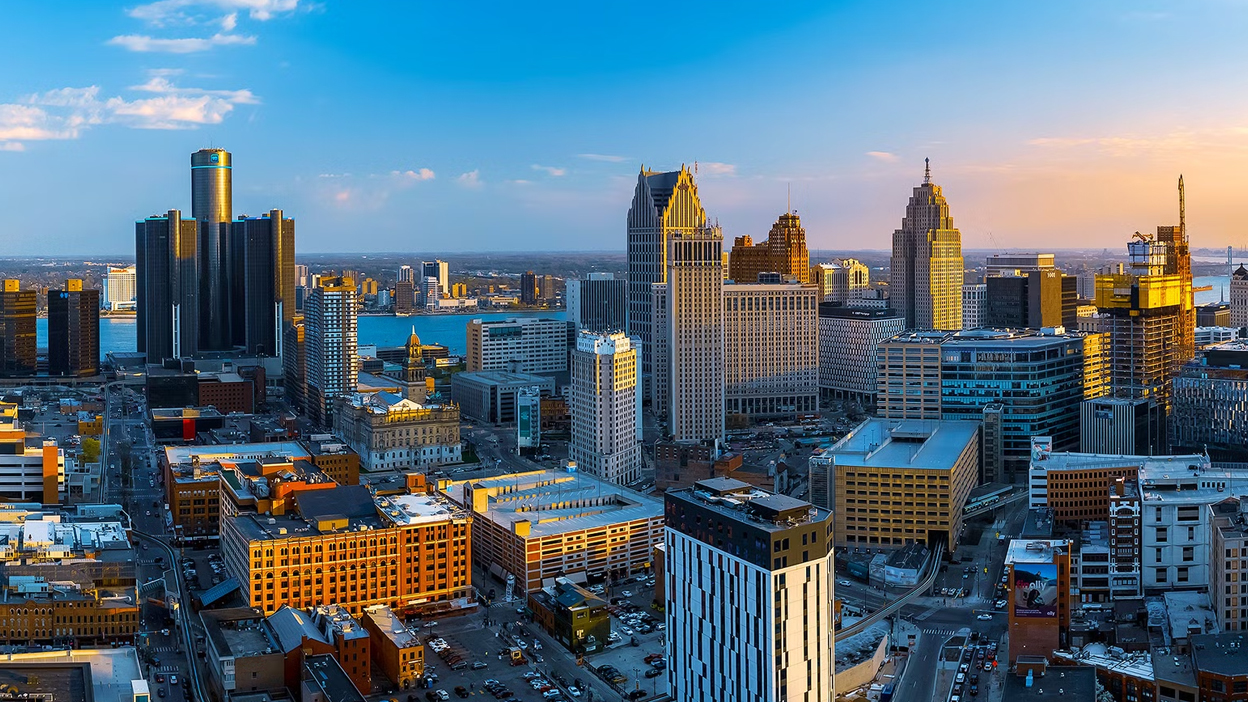
One of the most defining features of living in Michigan is its distinct seasonal rhythm. The state experiences noticeably active and outdoors-oriented warmer months contrasted by noticeably slower, quieter winter periods. This pattern transforms not only the natural surroundings but also how residents organize their days and activities.
During spring, summer, and early fall, many residents immerse themselves in the outdoors, taking advantage of nearby lakes, trails, and parks. These seasons bring extended daylight and a general increase in social and recreational activity. Conversely, winter transforms much of the state into a place where routines slow down, outdoor activity becomes more selective, and indoor-centered living grows more common.
Another essential aspect of the Michigan lifestyle is the pervasive feeling of space. Outside dense urban centers and especially near the Great Lakes, there is a strong sense of openness and scale—vast stretches of forests, waterways, and less crowded neighborhoods. This openness influences mental and physical experiences, creating a different feeling of daily space compared to more tightly packed metropolitan areas.
Residents shift their daily routines responsively with the seasons. Summer evenings might include lake visits or walks along nature trails, while winter months are more likely dedicated to home-focused activities, indoor hobbies, or short trips to essential destinations. This ebb and flow, structured by the cyclical nature of the environment, is fundamental to what living in Michigan means.
Community, Culture, and Social Atmosphere
Those who live in Michigan often describe the social atmosphere as approachable but somewhat reserved. Many residents greet newcomers warmly but with a patience that allows relationships to develop naturally over time. This is not a state known for brisk familiarity, but for steady, genuine neighborliness.
The cultural fabric of Michigan reflects a blend of diversity and rootedness. Many communities carry strong ties to local customs, outdoor culture, and histories tied to their particular region. This creates an environment where living in Michigan means engaging with neighborhoods that feel both familiar and distinct—each with their own flavor shaped by longstanding traditions alongside evolving cultural influences.
Comfort with balancing periods of activity and social engagement with slower, quieter rhythms is crucial. Many Michiganders are adept at switching between winter introspection and summer activity without feeling out of sync.
A key feature for those comfortable in Michigan is appreciation for both space and community connection. The state offers expansiveness and natural beauty but also patches of tightly knit communities and local identity, which can satisfy a range of social needs.
Finally, a tolerance for regional variety—acknowledging that different parts of the state have distinct cultures and climates—is important for a positive experience.
Who Might Struggle Living in Michigan

On the other hand, some people may find that living in Michigan presents challenges based on their lifestyle preferences or expectations.
Individuals who prefer consistently warm, non-varying climates may struggle with the state’s extended, cold winters and frequent snow. The seasonal shifts can disrupt energy, mood, and preferred habitual patterns for those sensitive to such changes.
Those seeking highly dense, fast-paced urban environments year-round might find Michigan’s rhythms too intermittent or its urban areas less intense than desired. The state’s quieter stretches outside urban centers contrast markedly with big-city hustle, which can feel limiting to some.
People who expect uniform cultural experiences may be frustrated by Michigan’s patchwork of distinct communities. The state does not offer a single, consistent cultural identity but rather multiple regional flavors, which requires adaptability and openness.
Practical difficulties with winter driving and seasonal travel can pose struggles, especially for those unaccustomed or averse to such conditions. Michigan’s geographic size means traveling between regions often involves lengthy drives, which can feel cumbersome for those preferring more centralized living.
These factors highlight why some newcomers find Michigan a less comfortable lifestyle fit despite its many attractive qualities.
Conclusion
Ultimately, is Michigan a good place to live? is a question best answered through personal alignment rather than universal judgment. The state’s lifestyle rhythms, climate, social culture, and environmental context create a distinctive living experience that suits some more than others.
For those considering moving to Michigan, the detailed lifestyle patterns shared here offer tools for honest, grounded self-reflection. Evaluating one’s own preferences in relation to Michigan’s seasons, community character, work-life balance, and environmental demands helps clarify whether the state’s rhythms feel like a good fit.
This grounded perspective complements other practical considerations in relocation decisions, encouraging a holistic approach rooted in lived experience rather than external metrics. Whether Michigan feels like home depends on how comfortably one can navigate its unique and varied way of life.