
Moving to Oklahoma City involves much more than the physical act of relocation. Understanding what to expect when moving to Oklahoma City means preparing for a significant adjustment phase that encompasses settling into new routines, acclimating to the city’s spacious layout, and integrating socially and emotionally over time. Beyond the initial move, living in Oklahoma City is an evolving process shaped by the city’s distinctive affordability and open urban environment.
Many who are moving to Oklahoma City anticipate a typical Midwestern experience but often discover surprises. The affordability stands out immediately, combined with a sprawling cityscape that feels different from more densely packed metropolitan areas. This guide breaks down key aspects of that adjustment: the first impressions, adapting daily habits, forming social connections, managing emotional ups and downs, and understanding how the transition usually progresses.
The First Weeks: Initial Impressions and Reality Checks When Moving to Oklahoma City
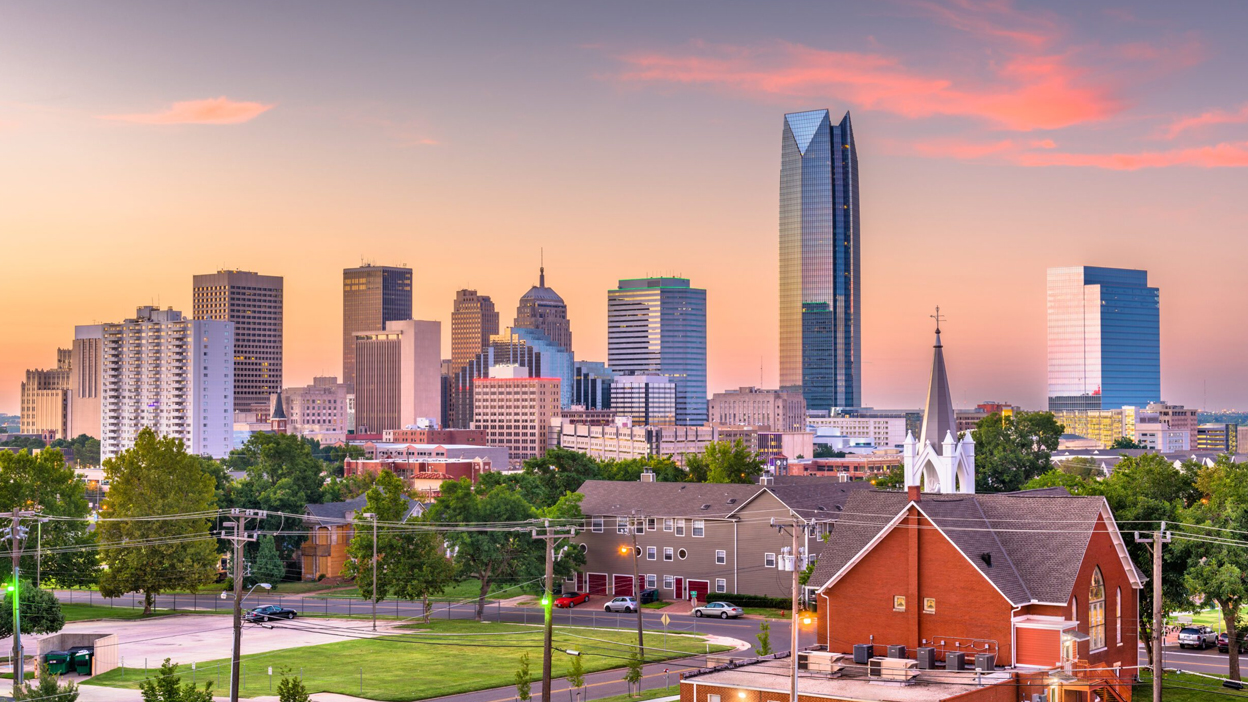
One of the earliest things new arrivals notice is the contrast between Oklahoma City’s atmosphere and what they expected. The pace of life slows down noticeably. There is far less urban noise — fewer honking cars and constant crowds — replaced by wide, open streets and expansive neighborhoods laid out over large suburban tracts.
This what to expect in OKC dynamic can be initially disorienting. The sprawling city layout, with its broad highways and low building density, diverges from the busyness of other large cities. Some newcomers experience a sensory shift: a quieter environment with ample space around homes and public areas. This also affects the social cues and flow of daily life, making the city feel less frenetic yet unfamiliar.
A key early reality check is the affordability shock. Housing costs, from rentals to home purchases, and everyday expenses come in well below what many expect from a large city. This price gap can seem too good to be true
at first. Homes and apartments sit across vast, open neighborhoods, contributing to this lower cost structure. This aspect of living in Oklahoma City forces a mental reset for many — recalibrating expectations about urban value.
New residents also report moments of surprise navigating this extensive, less-dense cityscape. Unlike concentrated downtowns or tight-knit urban quarters, the volume of sprawling suburbs means fewer crowds but more driving and physical separation. Initial feelings of isolation or spatial confusion are common during the first weeks.
Adjusting to Daily Routines in Oklahoma City
The practical aspect of living in Oklahoma City quickly centers on adapting to a car-dependent environment. Public transit options are limited relative to denser cities, so commuting usually involves driving on wide, well-maintained highways. Transportation costs are lower than the national average, reflecting cheaper fuel and less congestion, but it takes some time for new residents to learn typical commute routes and durations.
How Long It Usually Takes to Feel Settled Living in Oklahoma City
There’s no fixed timetable for when someone feels fully settled
after moving to Oklahoma City. The process is deeply personal and ongoing. It depends on how individuals embrace the wide-ranging affordability and integrate with the city’s routines.
Honoring the city’s consistent cost advantages across housing, food, and transportation sets a foundation. Settling in involves learning to live within Oklahoma City’s spacious layout and developing familiarity with its unhurried tempo.
Some people adjust quickly, especially if they actively engage in neighborhoods or social groups. Others take longer, balancing personal and professional demands with the city’s distinct environment. The key is understanding that what to expect in OKC is a variable, shaped by personal pace rather than a universal deadline.
What Helps the Transition Feel Easier When Moving to Oklahoma City

Making the move easier hinges on cultivating patience with the city’s spacious and relaxed rhythm. Oklahoma City’s affordability—from cheaper groceries to utilities and healthcare—reduces financial strain and naturally supports a less stressful pace.
Setting realistic expectations about the lifestyle’s slower tempo prevents frustration. Rather than trying to force a faster urban rhythm, accepting the wide-open spaces and low congestion creates harmony during adaptation.
Focusing on building familiar routines around everyday essentials, like grocery shopping and managing utility bills, grounds newcomers. These practices foster stability and comfort, reinforcing a sense of home.
Embracing this approach reduces unnecessary stress. It allows newcomers to transition smoothly without overplanning or expecting instant mastery of the city’s unique environment.
Conclusion
Feeling unsettled or uncertain after relocating to Oklahoma City is common. These experiences do not mean the move was a mistake or that challenges indicate failure. The adjustment aligns naturally with the city’s distinctive mix of affordability and spaciousness.
Each new resident’s journey is unique. Patience and self-compassion are essential companions throughout the process of rooting into the city’s environment and lifestyle.
By understanding what to expect when moving to Oklahoma City, newcomers equip themselves to navigate the sensory, practical, social, and emotional shifts involved. This sets the stage for fully embracing living in Oklahoma City as a rewarding and evolving experience.