
When asking, is Tucson a good place to live, the answer hinges largely on individual lifestyle preferences rather than universal benchmarks. Whether living in Tucson pros and cons inform your view depends on what daily rhythms, climate, and social settings fit your personal routine. Rather than rely on rankings or numeric pros and cons, this discussion centers on the lived experience in Tucson—a smaller desert city shaped by its unique environment and cultural backdrop.
Tucson offers a distinct rhythm that differs from typical urban centers. Sun-drenched days, desert landscapes, and the presence of the University of Arizona create a pace that is slower, more measured, and tailored to the demands of the desert climate and community culture. Exploring these aspects provides a clearer picture for anyone considering this southwestern city.
What Daily Life in Tucson Actually Feels Like
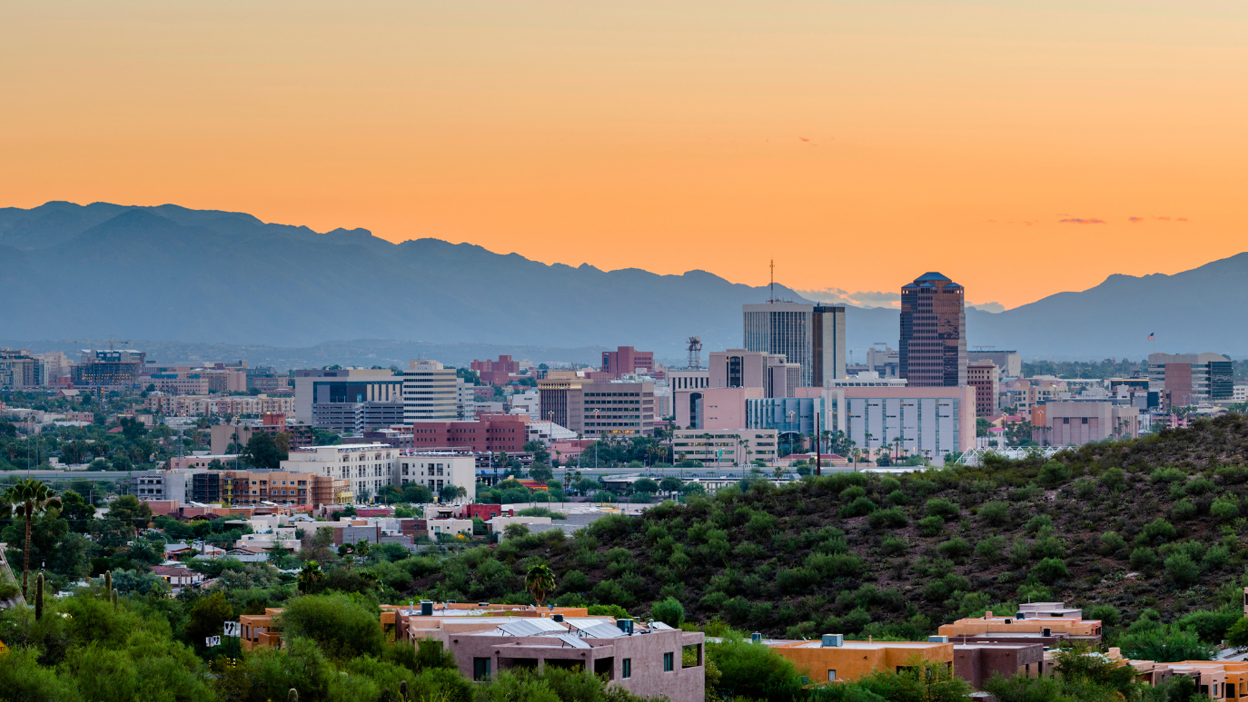
Living in Tucson means adapting to a lifestyle influenced heavily by its desert climate, which directs how days unfold. The pace here is generally laid-back and moderate. Summer heat especially shapes routines, prompting residents to start activities earlier in the day or during the cooler evening hours.
A typical weekday revolves around work, university commitments, or local business. Because Tucson is a smaller city with manageable traffic, commutes tend to be short. This means more time can be dedicated to enjoyable activities outside of work. After the workday, evenings often offer relaxed downtime whether catching a quiet dinner or attending casual meetups.
On weekends, outdoor recreation moves to the forefront in daily life. Trails in the nearby Saguaro National Park or community markets bring people outside, taking advantage of the desert’s natural appeal when the temperature is milder. The culture, deeply influenced by the University of Arizona, lends a slower, sun-soaked rhythm to life in Tucson, far removed from urban hustle. This way of life suits those who align their routines to nature’s pace, though some may find the steady calm less stimulating.
The desert sun and heat are fundamental factors shaping daily routines. Heat-adapted habits, like early morning hikes or evening strolls, underscore how climate and culture converge into a lifestyle centered on temperance and outdoor appreciation. For many, this composition answers the question is Tucson a good place to live through the lens of how life literally feels on the ground.
The Social and Community Atmosphere
Socially, newcomers to Tucson often find community access to be moderately straightforward but requiring some outreach. Networking usually happens through events connected to the university, neighborhood gatherings, and groups formed around outdoor interests such as hiking or cycling.
The social fabric of Tucson blends family-oriented suburbs with the downtown energy fostered by a college town. This mix creates a unique social dynamic. Community life pulses through local arts festivals, cultural celebrations rooted in Hispanic traditions, trail meetups, and sports events held at the University of Arizona.
The city’s cultural ambiance also draws residents who appreciate Southwestern arts, university energy, and diverse, family-oriented neighborhoods. Professionals and remote workers interested in a measured day-to-day tempo plus access to outdoor leisure are often attracted to Tucson.
Fit here is less about traditional pros and cons and more about matching lifestyle traits. Those who align with Tucson’s desert environment, community blend, and slower pace tend to find a more natural and sustainable place to live. This helps clarify the answer to is Tucson a good place to live when viewed through individual preferences and lifestyle priorities.
Who Might Struggle Living in Tucson
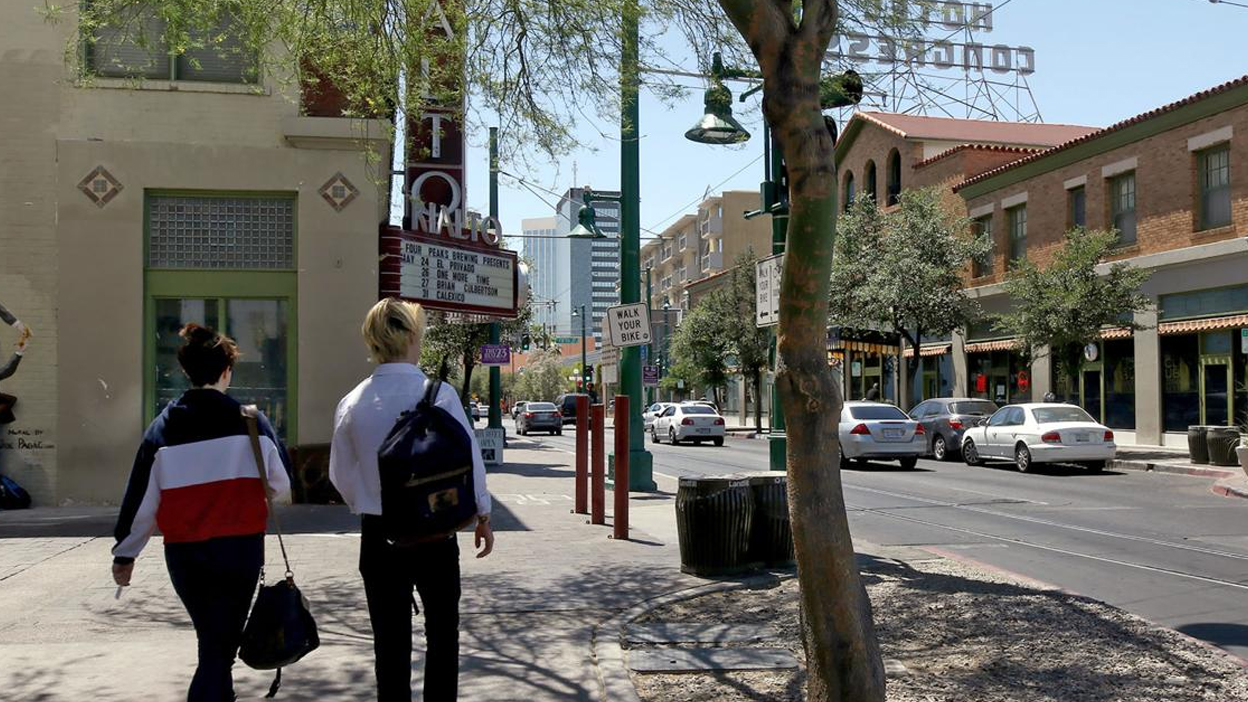
Conversely, people seeking a fast-paced urban environment with dense social activity might encounter challenges adjusting to Tucson’s measured tempo and spatial layout. The city’s moderate pace and spread-out design can contrast sharply with expectations of vibrant metropolitan energy.
Climate is another significant factor for those who prefer cooler or more humid conditions. The desert heat particularly in summer enforces indoor living patterns and increased reliance on cooling, which may restrict spontaneous social engagements and outdoor enjoyment.
Social dynamics that lean more toward slower-building connections and community engagement rather than rapid networking might not mesh well with everyone. For residents seeking continual social stimulation or metropolitan buzz, living in Tucson pros and cons related to lifestyle and environment become important considerations.
The adjustment to Tucson’s subtler community character and desert climate highlights why lifestyle differences are central in evaluating whether it feels right to live here.
Conclusion
When exploring is Tucson a good place to live, the key is assessing personal lifestyle priorities. Compatibility with desert outdoor living, tolerance for summer heat, and preference for a slower-moving city rhythm are pivotal factors.
Rather than relying on external metrics or generalized pros and cons lists, recognizing how closely one’s daily routines and social needs align with Tucson’s unique traits forms the basis for a thoughtful decision. Living in Tucson pros and cons manifest as lifestyle considerations that shape the lived experience here.
This perspective invites a broader, nuanced evaluation of what residing in Tucson entails, offering those interested a grounded framework to determine if this desert city fits their particular life.