
Deciding where to live in Utah is more than a logistical choice; it is deeply personal. It’s not just about following popular opinions or scanning through spurious “best places” lists. Instead, it requires careful reflection on what matters most to your daily life and long-term well-being. Utah is a state of striking contrasts—from crowded urban corridors occupying a sliver of the land to vast and varied rural expanses. Understanding how to choose where to live in Utah means looking beyond labels and considering how each locale’s distinct lifestyle possibilities mesh with your values and priorities.
Utah’s population is concentrated—about nine out of every ten residents live in urban areas that cover barely over one percent of the state’s vast territory. This sharp division between dense metropolitan centers and wide-open rural spaces is just the start. Even within cities, there are vast differences in pace, amenities, and community vibe. Meanwhile, the rural stretches range from small towns with real services to frontier areas with minimal infrastructure. Your choice should hinge on how these variations resonate with your way of life rather than any simplified urban-rural dichotomy.
Daily Lifestyle Priorities: Understanding Urban, Suburban, and Rural Living
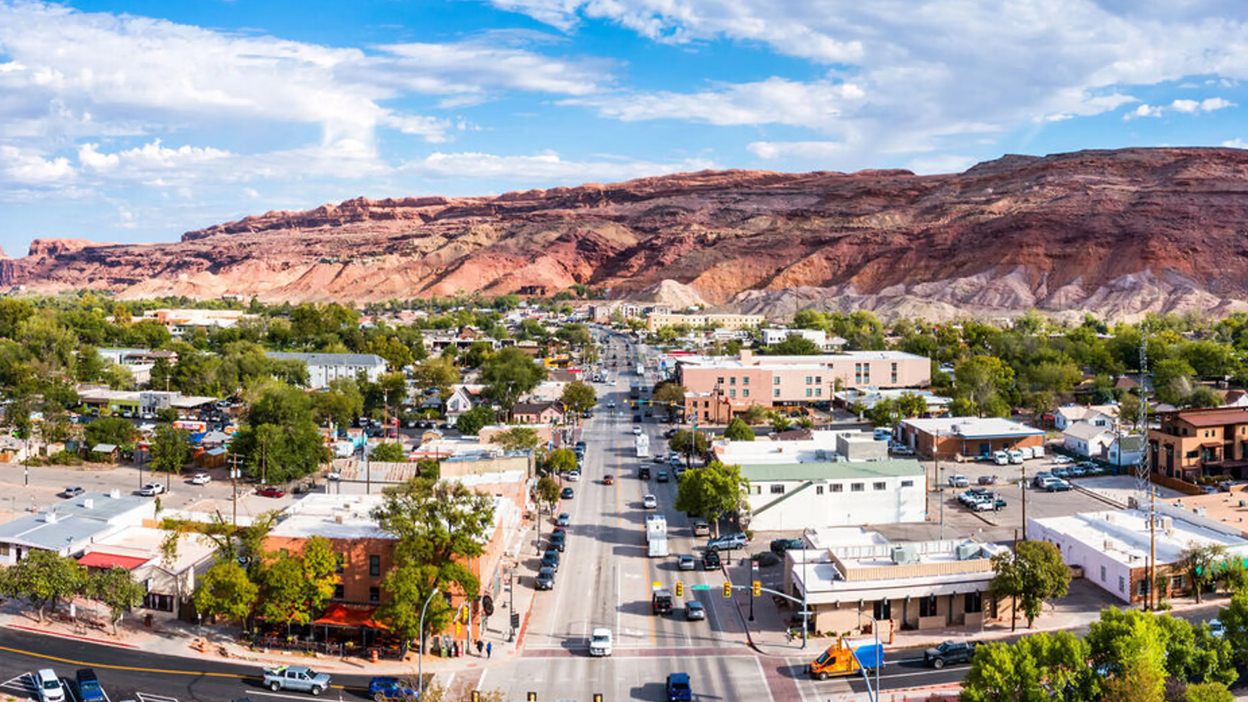
When considering Utah’s urban, suburban, and rural options, it’s essential to recognize that each offers a distinct rhythm and trade-offs, rather than clear-cut advantages.
In urban centers such as Salt Lake City, life moves quickly with ready access to employment hubs, cultural venues, and a diversity of eateries and entertainment options. This intensity and variety offer convenience and anonymity, attracting those who thrive on activity and frequent social interactions. However, the trade-off often comes in the form of less personal space, more noise, and congestion.
Suburban neighborhoods typically strike a balance between urban buzz and rural calm. They provide more room and quieter streets but still maintain relatively close access to services and amenities. For families or those seeking a community feel without the full hustle of city cores, suburbs often offer a middle ground. Yet this middle ground can sometimes feel like a compromise, neither as lively as city life nor as tranquil as rural living.
Rural Utah presents a fundamentally different daily existence. Wide-open spaces and small-town atmospheres create a strong sense of peace and connection to nature. This lifestyle often appeals to those valuing privacy and slower paces. Still, rural living requires accepting longer travel times for specialized services, fewer dining and entertainment options, and often limited public infrastructure. It demands planning and flexibility as accessing work, medical care, or shopping can be more challenging.
Recognizing that no one setting is inherently better is key. The essential task lies in balancing your need for convenience, connection, space, and tranquility with the compromises each environment requires.
Geography and Regional Differences Shape Lifestyle
The fabric of Utah’s geography fundamentally shapes the character and lifestyle potential of its communities.
The Wasatch Front, a heavily populated urban corridor hugging the western edge of the Wasatch Mountains, is home to the majority of the state’s residents and much of the economic activity. Proximity to this area means access to an established web of infrastructure, jobs, and outdoor experiences just minutes away. Residents benefit from both mountain recreation options and urban amenities. However, with growth comes congestion, rising housing competition, and commuting pressures.
Mountainous areas scattered around Utah introduce a different dynamic. These elevated communities experience marked seasonal and climate variations that shape daily routines. Alongside spectacular natural beauty, mountain living attracts those keen on skiing, hiking, and alpine pursuits. Yet this comes with unique challenges, such as higher heating costs, weather-related disruptions, and sometimes limited year-round accessibility.
Understanding your own social preferences—whether craving the anonymity of city life, the closeness of small communities, or something intermediate—will clarify how aligned a place feels beyond practicalities.
Short-Term vs. Long-Term Living Considerations
The timeframe of your intended stay should influence how you evaluate potential homes.
Short-term residents might prioritize immediate conveniences, specific job or education opportunities, and lifestyle trial without deep investment. In such cases, focusing on comfort and accessibility can trump deeper integration.
Medium-term planning invites more complex evaluation: schooling options become relevant, community ties develop, and adaptability to shifting family or career circumstances matters. Neighborhoods or towns that offer flexibility in amenities and lifestyle fit gain importance.
Planning for long-term residence or retirement introduces new imperatives—access to healthcare, cost stability over decades, climate preferences, and social infrastructure for aging-in-place rise in priority. Rural areas with limited medical access contrast sharply with urban centers or well-developed suburbs here.
Recognizing life stage transitions—whether from single, to family, to retirement—helps frame location choices. None need be permanent, but anticipatory reflection can reduce future relocations and smooth life’s changes.
Flexible thinking about evolving needs increases satisfaction and resilience across years.
Practical Ways to Narrow Down Your Options in Utah
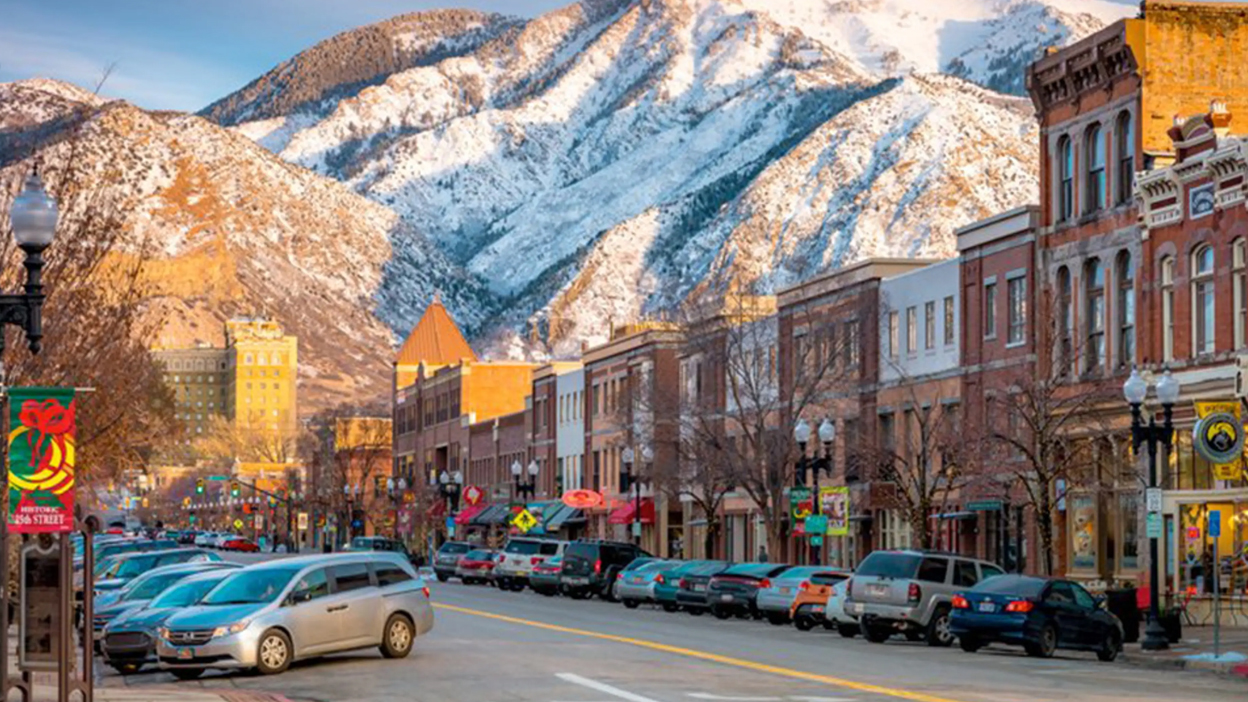
To avoid spinning your wheels amidst Utah’s variety, a structured self-assessment aids clarity.
Start by defining your personal values and non-negotiables. Is outdoor recreation paramount? Do you require proximity to medical facilities? How important is cultural diversity or close-knit community? What are your work constraints and acceptable commute limits? What is your total budget for living expenses?
Next, immerse yourself by visiting prospective communities. Observe how places function at different times, check availability of services, experience local traffic, and note seasonal shifts in atmosphere. Sensing the true rhythm reveals insights that web research cannot deliver.
Conversations with current residents—through community forums or casual encounters—offer real-world perspectives and surface challenges or strengths outside polished portrayals.
Resist rushing to conclusions based on first impressions or marketing narratives. What feels right in a weekend may not hold on midweek winter afternoons. Allow time and multiple visits to refine your understanding.
Ultimately, patience, honest reflection, and on-the-ground exploration empower informed decisions well tailored to your unique situation.
Conclusion
Utah’s rich mosaic of geography, population patterns, and community types means there is no one size fits all
answer to choosing where to live. Each environment offers trade-offs among convenience, cost, community character, and lifestyle alignment. Your task is to prioritize what matters most in your daily life and long-term plans and match those to the nuanced differences between urban hubs, suburban neighborhoods, and rural towns.
Demographic trends, economic realities, and geographic distinctiveness provide a valuable framework but should serve as a starting point for your own thoughtful evaluation. Embrace the complexity rather than seeking easy formulas. Recognize that location choices evolve as needs shift and that relocation remains an option if early fits prove incomplete.
Ultimately, well-being comes from finding a place where practical demands, social environment, and personal values converge to create a sense of home uniquely suited to your life journey in Utah.