
Alaska offers an extraordinary range of living experiences. From remote bush communities to more sizable urban hubs, each place whispers its own rhythm, climate, and social texture. In this vast state, choosing where to live involves much more than picking a spot on the map. It’s about finding a lifestyle that resonates with what you value: quiet solitude or community buzz, daylight hours or mild winters, short commutes or access to diverse amenities.
Living in Fairbanks vs other cities in Alaska reveals a spectrum of these lifestyle differences. This Alaska living comparison does not aim to declare any one place superior but instead invites reflection on how pace, environment, housing, work, social life, and costs shape daily life. Whether you crave the interior’s bright winter days or the coastal hubs’ maritime pulse, understanding these contrasting patterns can help you envision where you’d feel most at home.
How Daily Pace and Environment Differ in Fairbanks versus Other Alaskan Cities
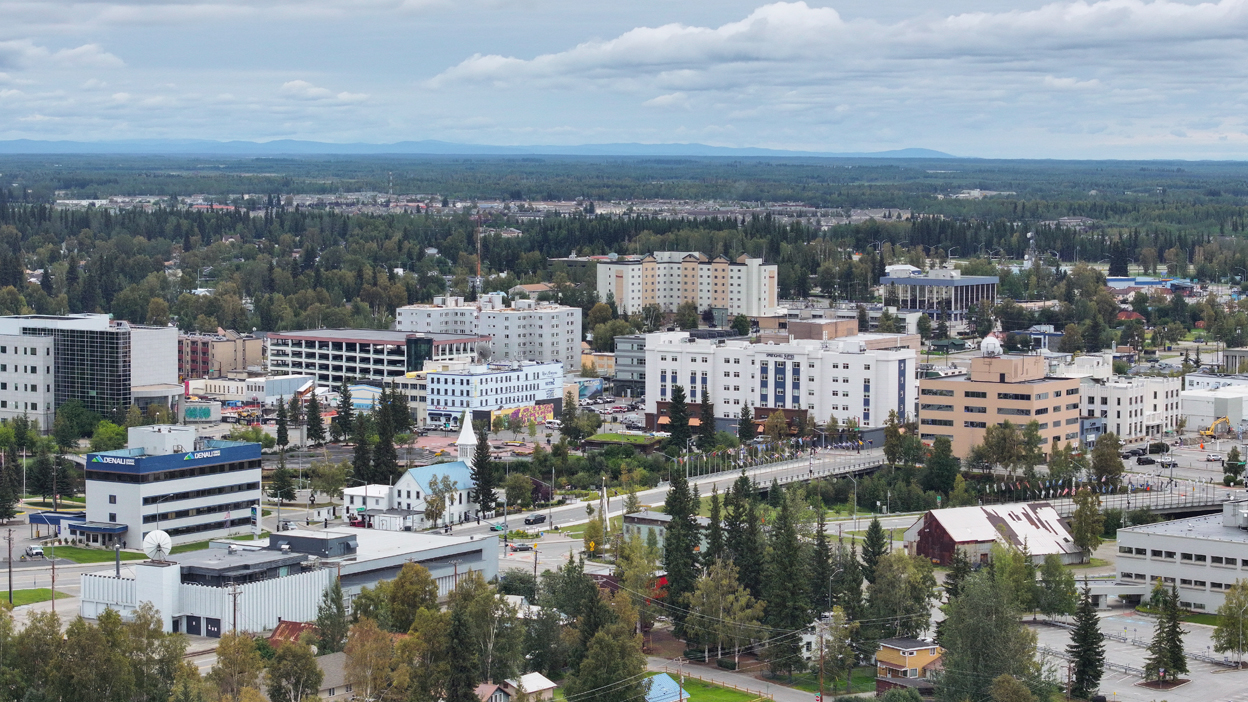
Fairbanks, positioned deep within Alaska’s interior, carries a distinct rhythm in its daily life. The city unfolds on a compact scale, where traffic flows gently and commutes almost never stretch beyond a quarter-hour. This slower tempo creates a community-oriented atmosphere that feels familiar and unhurried. The presence of military installations and the University of Alaska Fairbanks adds layers of steady activity and local culture, yet moods throughout the day remain relatively calm.
In larger Alaskan cities, rhythms tend to quicken. Denser populations and more sprawling infrastructure often translate into longer drives and busier streets. The pace pulses toward a livelier, sometimes hectic energy, shaped by a broader mix of businesses, entertainment options, and cultural offerings. Longer commutes on congested roads subtly infuse days with added tension and activity, influencing how people allocate time and energy.
The environment underpins these pace differences in powerful ways. Fairbanks belongs to Alaska climate cities defined by sharp continental contrasts—vivid, sunlit winter days paired with bitterly cold temperatures and occasional air quality inversions. These extreme seasonal swings heighten a sense of rhythm within the year, encouraging residents to shape activities around clear but frigid mornings or warmer summer evenings.
Coastal and southern interior cities, by contrast, experience more moderate winters often cloaked in overcast skies or rain. Their climate invites a different set of daily moods and outdoor preferences. The soft, diffused light and insulating effect of nearby waters ease winter harshness but can create a lingering grayness that influences energy levels and social patterns. Residents here may move at a brisker pace year-round, energized by the nearby mountains, marine life, and a more urban tempo.
This Alaska living comparison emphasizes how environment and daily pace intertwine: Fairbanks’ interior brightness and quiet allow for reflective, measured living, while other cities’ coastal temperaments foster a more active, outward-reaching rhythm.
Housing and Space Expectations When Living in Fairbanks Alaska
Housing in Fairbanks speaks clearly to its interior setting and community makeup. Many homes are generous in size, placed on larger lots that encourage outdoor living even through long winters. These residences often cluster near military areas or university grounds, cultivating neighborhoods where space feels abundant and privacy attainable. The affordability of these homes relative to coastal hubs invites those who value roomy yards, storage space, and room to move below and beyond their rooftops.
Social Life and Community Atmosphere in Fairbanks Alaska
Fairbanks draws much of its social energy from its size and shared institutions. The smaller population, university presence, and military connections cultivate a close-knit community texture. Familiarity grows in everyday interactions—local events and shared routines embed a sense of belonging that carries through the seasons.
This quiet intimacy does not mean an absence of social life, rather that friendships tend to be deep and enduring. Residents often speak of comfort found in knowing neighbors and participating in communal activities tied to base life or campus rhythms. Such social patterns provide stability despite limited nightlife or fewer large-scale entertainment options.
Broader Alaskan cities pulse with a busier social tempo. Their larger populations invite diverse cultural offerings, restaurants, and nightlife options. These places bustle with events and a variety of venues, offering residents a wider palette for engagement but sometimes less personal connection within vast crowds.
The shape of these social atmospheres influences how people build networks and find fulfillment. Fairbanks appeals to those who value quiet camaraderie and steady friendships, while urban centers offer energetic social adventures alongside broader anonymity. Both present meaningful, if different, pathways to connection.
Who Fairbanks Tends to Suit Best
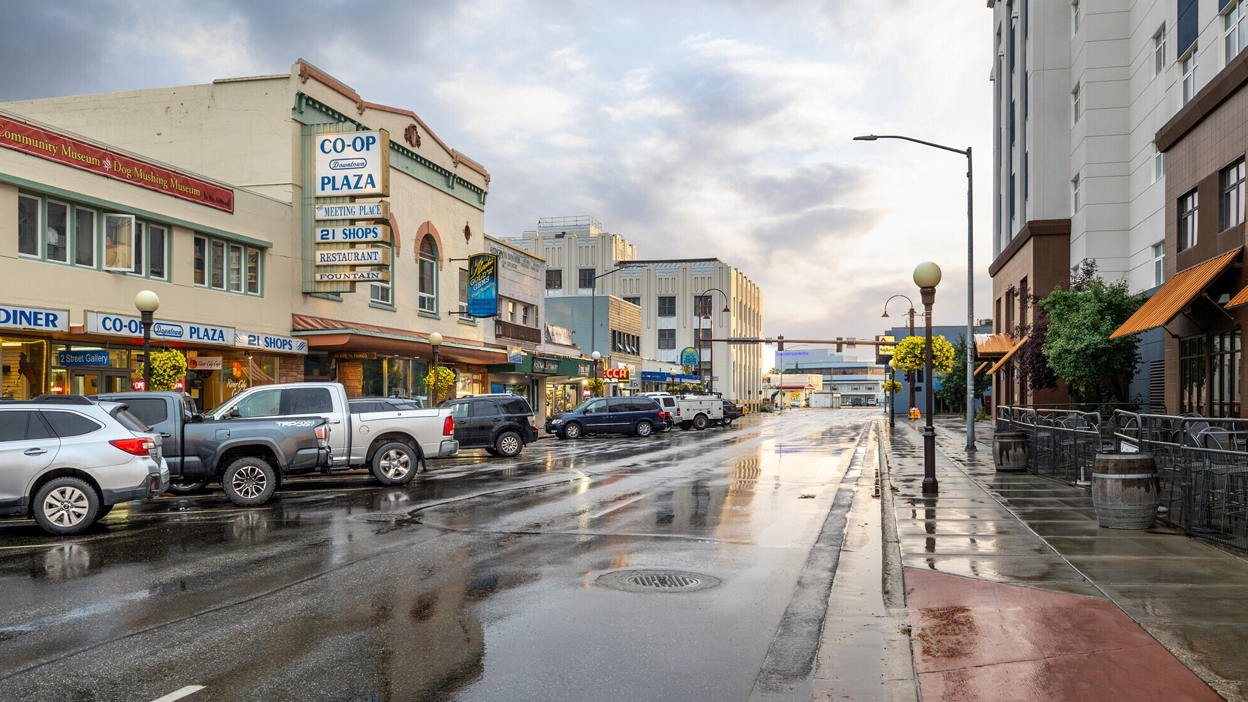
Fairbanks tends to resonate with people who seek a spacious living environment, brief commutes, and distinctive winter sunlight despite enduring cold extremes. Its community often includes educators, military families, or those drawn to a deliberately slower, steadier rhythm anchored in shared local institutions.
The city is well suited for those who appreciate more intimate social fabrics and the opportunity to balance indoor comfort with outdoor space. The clear winter days—sharp in light but frosty in temperature—favor personalities who find energy in bright, peaceful quiet rather than dense urban bustle.
By contrast, individuals who prize frequent amenities, a wider job market, or coastal-mountain landscapes often find their preferences met in other Alaskan cities. These places offer a different tempo: faster rhythms woven with comprehensive services, diverse cultural scenes, and close access to natural features like ocean views or alpine hikes.
This Alaska living comparison encourages self-reflection rather than direction. It invites potential residents to weigh their personal daily needs, temperaments, and lifestyle preferences to discern where their rhythms and priorities might harmonize best.
Conclusion
Ultimately, the choice between Fairbanks and other Alaskan cities springs from one’s unique lifestyle compass. It is a decision about whether you embrace the spaciousness, relaxed pace, and interior brilliance of Fairbanks, or whether you opt for the urban energy, coastal climate, and amenity-rich life found elsewhere in the state.
The qualities important to you—how much daylight you crave through winter, the size and structure of the community you prefer, the tempo you want etched into your daily routine, and the climate you find most sustaining—should guide your reflection.
This Alaska living comparison celebrates the state’s vast diversity of lived experiences. It presents not a competition but a map of choices: varied ways of inhabiting a rugged, beautiful land that offers both solitude and sociability, stillness and bustle, bite and balm.
Where you find harmony within these contrasts will be your best fit.