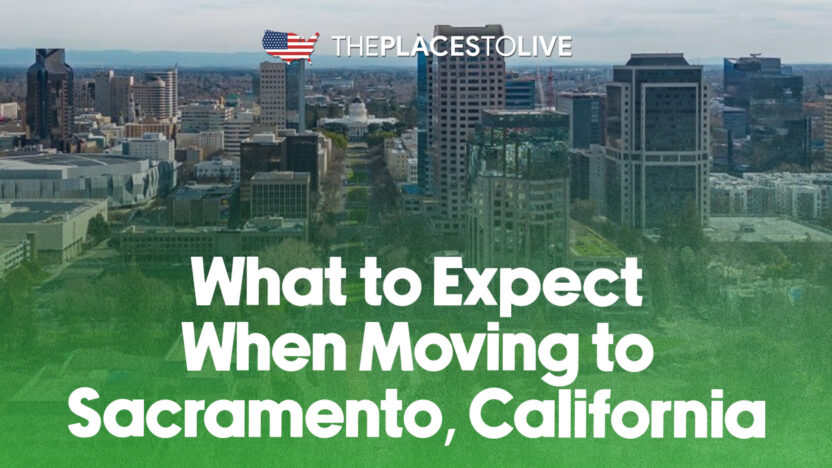
Moving to Sacramento marks the start of a unique experience, often different from what newcomers imagine at first. Many expect a compact capital city with tight urban energy, but Sacramento instead blends both urban life and wide suburban areas. This mix shapes much of what new residents face.
Living in Sacramento involves more than unpacking boxes—it means adjusting to local culture and integrating into the community. This process is similar to support programs that help refugees and immigrants through housing, case management, and cultural orientation. Understanding what to expect when moving to Sacramento helps prepare you for the realities beyond logistics, giving you a clearer picture of the first months here.
This blog dives into the early phases of living in Sacramento, guiding you through sensory impressions, daily routines, social life, emotional ups and downs, and practical advice on easing your transition.
The First Weeks: Initial Impressions and Reality Checks
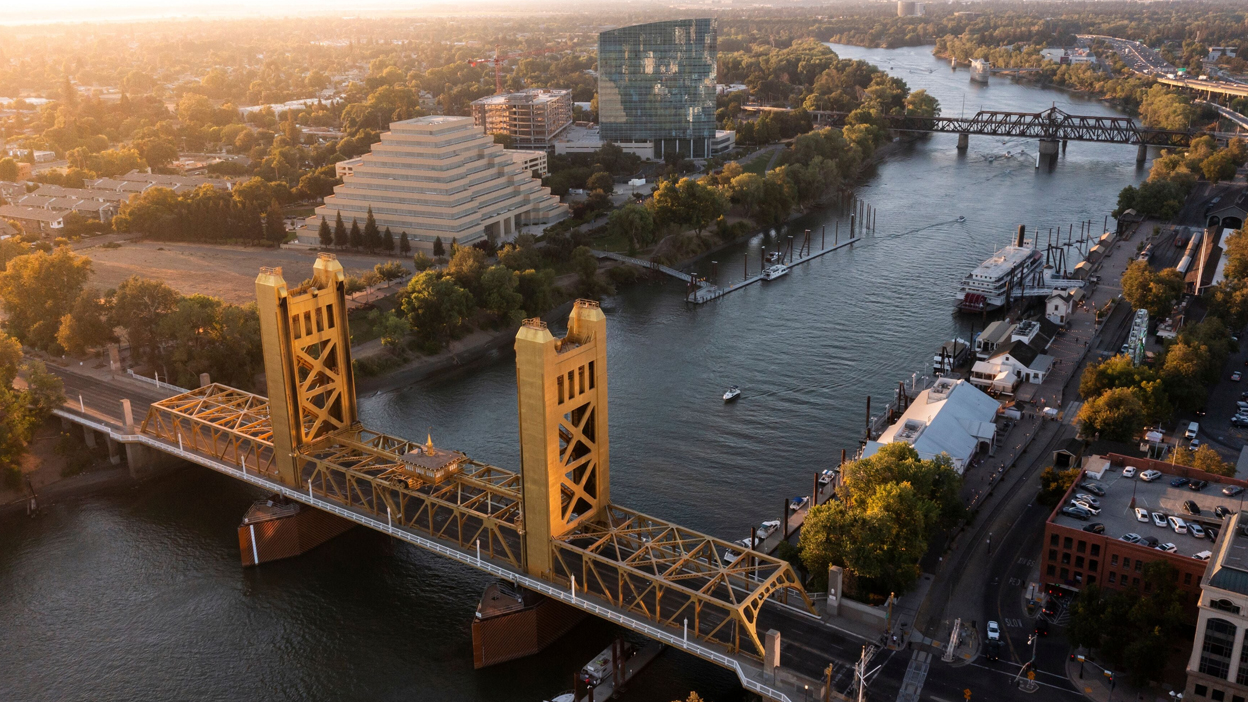
When you first settle in Sacramento, your senses pick up on several notable changes. Summers are hotter and drier than many anticipate, with long sun-drenched days. Winters feel milder, lacking harsh cold or heavy rain, which sets the backdrop for year-round outdoor activities.
The city pulses at a slower, more spacious pace compared to California’s coastal urban centers. Unlike dense metropolises, Sacramento stretches out across wide boulevards. You’ll notice the background hum of traffic, especially on corridors like Highway 50, which connects parts of the city with sprawling ease.
Early on, newcomers often confront surprises like Sacramento’s deep-rooted farm-to-fork culture. Events such as the September Farm-to-Fork Festival showcase local food markets, chef tastings, and agricultural heritage, revealing a side of the city tied closely to its farming surroundings. This local culinary focus highlights Sacramento’s identity as the “Farm-to-Fork Capital.”
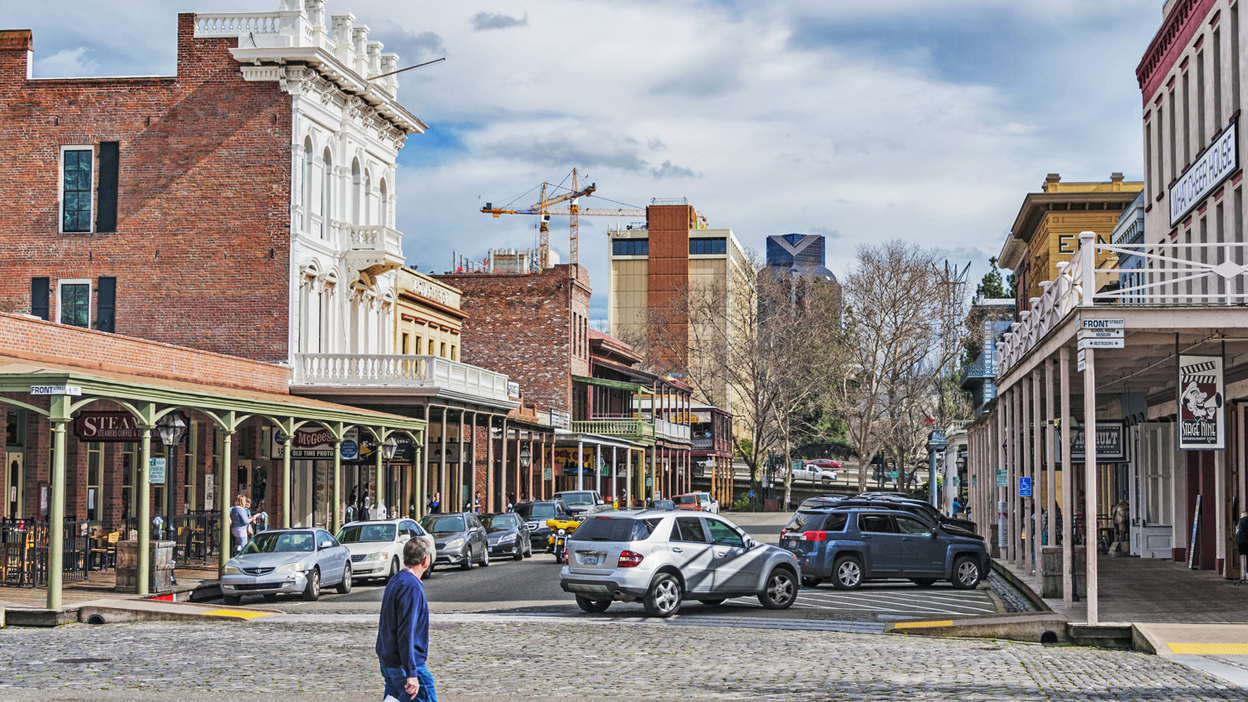
Historic neighborhoods deepen these contrasts. Old Sacramento’s 1850s architecture and cobblestone streets exude an “old west” charm, though modern traffic and tourist activity create occasional dissonance. In tranquil spots like William Land Park, you encounter a laid-back community vibe—casual gatherings, shaded walks, and impromptu car shows make these parks social hubs with a relaxed spirit.
Together, these early experiences shape expectations for living in Sacramento and teach newcomers to appreciate its mix of rural ties and metropolitan rhythms.
Adjusting to Daily Routines
Adapting to Sacramento’s daily life involves adjusting to a city that is spread out and vehicle-dependent. Unlike densely packed urban areas where walking or public transit suffices, here, running errands often requires a car. Grocery shopping at farm-focused markets and small neighborhood stores aligns with the city’s agricultural roots.
Comfort and belonging develop as newcomers engage more deeply with the city’s rich calendar of events and supportive networks. Regular attendance at local milestones like airshows or history festivals builds familiarity and enjoyment, turning the unfamiliar into a source of pleasure and connection.
Rather than waiting for a single moment of arrival, residents often describe a gradual layering of experience. Each outing, each social encounter, and every small routine contributes to a cumulative sense of being “at home” in Sacramento.
Recognizing this ongoing progression helps newcomers set realistic expectations and appreciate their unique adjustment process.
What Helps the Transition Feel Easier
Several strategies ease the challenge of moving to Sacramento. Patience is fundamental, allowing your experience to unfold naturally without undue pressure.
Building routines around local cultural events, such as the Sacramento History Festival, provides structure and social opportunities. Knowing what to expect from the city’s affordable housing situation and community dynamics also helps maintain realistic expectations.
Engagement with volunteer programs and cultural orientation workshops, especially those offered by organizations like the IRC, create pathways to connect with others. These resources support flexible pacing, honoring that residents adapt at different speeds.
Exploring accessible public spaces early—shaded parks, museums, and casual dining spots—fosters feelings of comfort and rootedness. These spots become touchstones in a new neighborhood and help transform the abstract idea of “living in Sacramento” into a tangible experience.
Conclusion
It is normal to feel unsettled during the early months after moving to Sacramento. This unease does not indicate a mistake or failure but is a common part of integrating into a new environment. The presence of structured supports for newcomers, refugees, and immigrants testifies to the city’s commitment to facilitating positive transitions.
Adjustment is ultimately a highly personal journey. With time, participation in community events, and connection with supportive networks, new residents evolve from outsiders to familiar faces. These ongoing experiences transform initial complexity into lasting familiarity and belonging.
Knowing what to expect when moving to Sacramento provides clarity about the process ahead and supports newcomers in making this vibrant city their home.