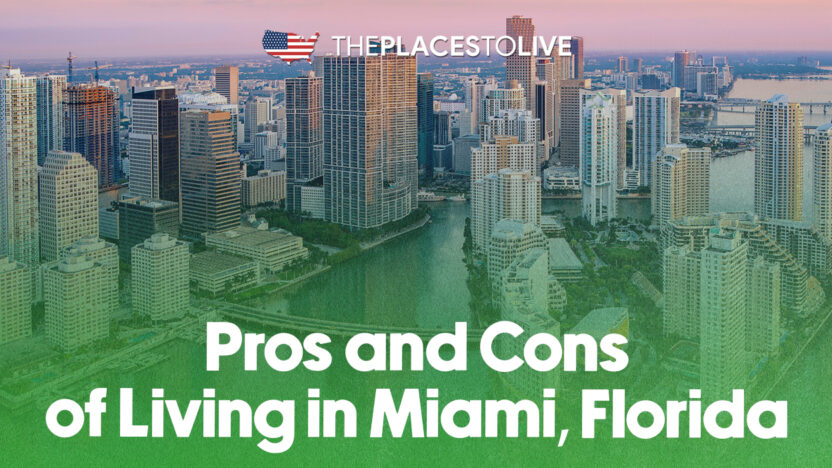
Miami stands as a city where sun-drenched coastal beauty intersects with a demanding urban tempo. Exploring the pros and cons of living in Miami, Florida reveals how daily life here is shaped by the interplay of warm ocean breezes and the persistent humidity unique to this vibrant environment. This place is not defined solely by facts or figures, but by how its rhythms seep into everyday routines, influencing experiences in ways that statistics alone cannot capture.
Life in Miami, Florida unfolds amid a dynamic coastal setting shared by other Florida coastal cities yet distinguished by its diverse cultural energy and urban intensity. Residents routinely negotiate trade-offs between the invigorating elements of beachside living and the challenges that come with a tropical climate and a bustling metropolis. This post delves deeply into the lived realities of those who call this city home—examining how the environment, lifestyle, and daily choices reflect a continuous balancing act.
The Main Advantages of Living Here
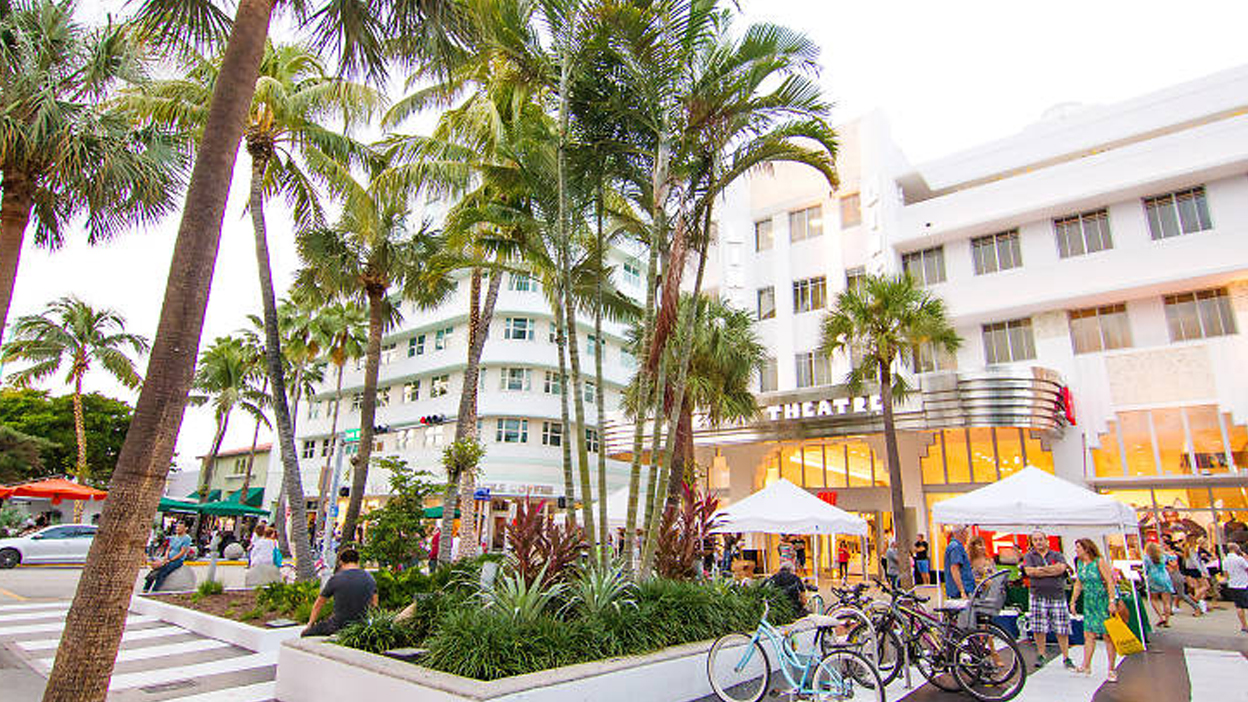
One of the defining features of living here is the city’s rich cultural texture. Neighborhoods such as Little Havana and Wynwood act as cultural hearths, where art exhibitions, salsa festivals, and community markets infuse local life with a naturally embedded vibrancy. These events aren’t occasional attractions but woven into weekly rhythms, providing residents with regular occasions to engage with a multicultural tapestry. The presence of authentic culinary offerings—from freshly prepared Cuban sandwiches to seafood street vendors—further enriches everyday experiences, making mere weeks feel steeped in cultural discovery.
The coastal location shapes much more than the scenery; it conditions daily habits. Having the beach within easy reach allows residents to incorporate morning swims or sunset jogs into their routines, activities that serve as natural stress relief and physical renewal. Water pursuits such as paddleboarding or simply walking along the shore are not just recreation but become integral to the city’s lifestyle pulse. This affinity for the sea is a hallmark shared by other Florida coastal cities but feels especially immediate here due to the readily accessible beaches and vibrant waterfront spaces.
Urban conveniences complement this coastal life seamlessly. Walkable public spaces, particularly in areas like Brickell, invite residents to combine errands with social moments. Rooftop bars and open-air venues encourage spontaneous gatherings, blending work, leisure, and networking under the Floridian sun and mild evenings. The city’s social fabric thrives on this blend of warmth and cosmopolitan influence, where multilingual conversations at coffeeshops and frequent community events create a palpable sense of inclusion and connection.
While the Miami cost of living poses challenges, many find that the availability of amenities—from diverse dining to cultural activities—helps balance overall lifestyle satisfaction. These amenities offer compensations for daily expenses, allowing living in Miami Florida to feel full of possibilities despite higher housing pressures.
The Common Challenges or Downsides
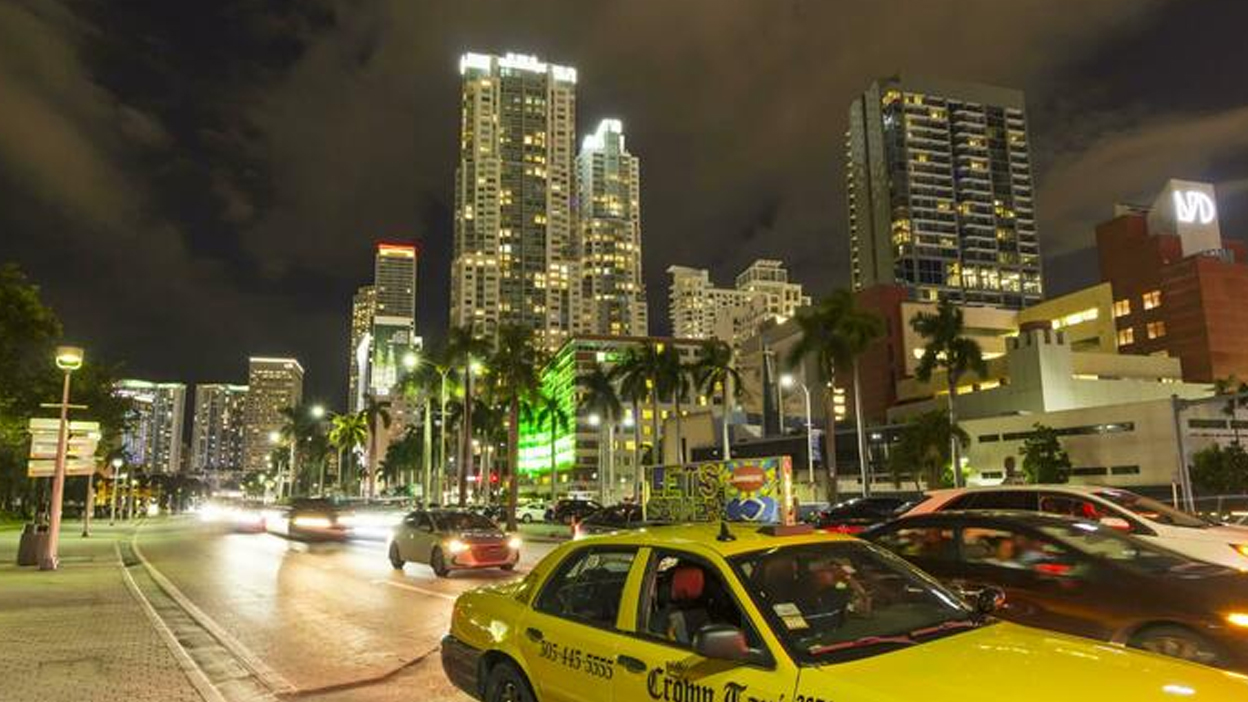
Living here demands navigating the realities of a tropical climate that is both a blessing and a trial. The persistent heat, typically above 80°F year-round, coupled with high humidity, alters daily comfort levels. Outdoor activities often shift to early mornings or late evenings to avoid the oppressive midday warmth, requiring residents to plan carefully. Reliance on air conditioning becomes more than convenience—it is a necessity that, paradoxically, can introduce discomfort through sudden temperature changes indoors and energy costs that quietly influence budgets.
Similarly, people comfortable with dynamic, somewhat unpredictable environments enjoy living here. Those with adaptable social rhythms, who can accommodate seasonal weather shifts and city bustle, often find satisfaction in the city’s energetic pulse. The multilingual, multicultural ambiance becomes part of everyday exchange, fostering a sense of renewal and inclusion.
Such residents generally see the Miami cost of living as an investment in a lifestyle rich with experiences, diversity, and access to amenities that support a vibrant, engaged way of life.
Who Might Feel Frustrated Living Here
Living here is not without its mismatches for certain temperaments and preferences. Residents who crave steady, predictable weather may feel at odds with the city’s humid summers and frequent storms, which regularly disrupt outdoor plans and personal comfort. The variability inherent in coastal climates can become a source of discontent for those seeking routine in environmental conditions.
Those who favor more leisurely, quiet lifestyles often find the city’s congestion and density taxing. The demands of navigating crowded roads, managing extended errands, and tolerating constant urban noise can raise stress levels, turning simple daily tasks into prolonged experiences. The city’s vibrant energy, while appealing to some, may overwhelm others seeking slower paces or more solitude.
Expectations for consistent calm and affordability may also clash with reality. Noise from nightlife and construction intrudes on limits of personal quietude, while the Miami cost of living—shown to be 55-60% above Florida averages—exerts pressure on budgets and choices. Housing costs, in particular, can constrain ways of living and complicate maintaining an ideal lifestyle, which may lead to frustration for those anticipating a subdued or more financially manageable urban environment.
These tensions highlight how living here depends heavily on personal rhythms and tolerance levels, rather than universal suitability.
Conclusion
The pros and cons of living in Miami, Florida are inseparably intertwined. Life here unfolds as a constant balancing act where vibrant cultural and natural highs coexist with unavoidable adjustments to climate, traffic, noise, and economic realities. Navigating this dynamic city means embracing its coastal quirks and urban energy while adapting flexibly to challenges embedded in daily life.
Reflecting on one’s own preferences and rhythms—whether toward sociability or solitude, adventure or routine, climate adaptation or predictability—is essential to understanding how well this place fits individual needs. Living here offers a distinctive, textured experience that defies simple characterizations, making it a matter of personal resonance rather than uniform appeal.
In the end, the city reveals itself not as a perfect locale but as a complex, evolving habitat shaped by the interplay of environment, community, and the choices that sustain life along this Florida coastal city’s shores.