
New Hampshire offers a distinctly varied living experience shaped by its sharply contrasting urban, suburban, and rural regions. The state’s southeastern cities, like Manchester, Concord, and Nashua, form a densely populated corridor closely linked to the Boston metropolitan area. In stark contrast, much of New Hampshire’s land—especially to the north and west—is dominated by vast forests, mountains, and rural communities. These regional differences create fundamentally different daily realities for residents, influencing how they move, interact, and spend their time.
This exploration of the pros and cons of living in New Hampshire will focus on how environmental features, cultural norms, and geographic distinctions shape everyday life across the state. Rather than emphasizing rankings or dry statistics, it will highlight the practical trade-offs residents navigate, showing how these factors affect routines, moods, mobility, social connections, and lifestyle choices. As one digs into life in the state, the interplay between natural surroundings, community culture, and geographic realities becomes clear, making New Hampshire a unique place within the New England states.
The Main Advantages of Living Here
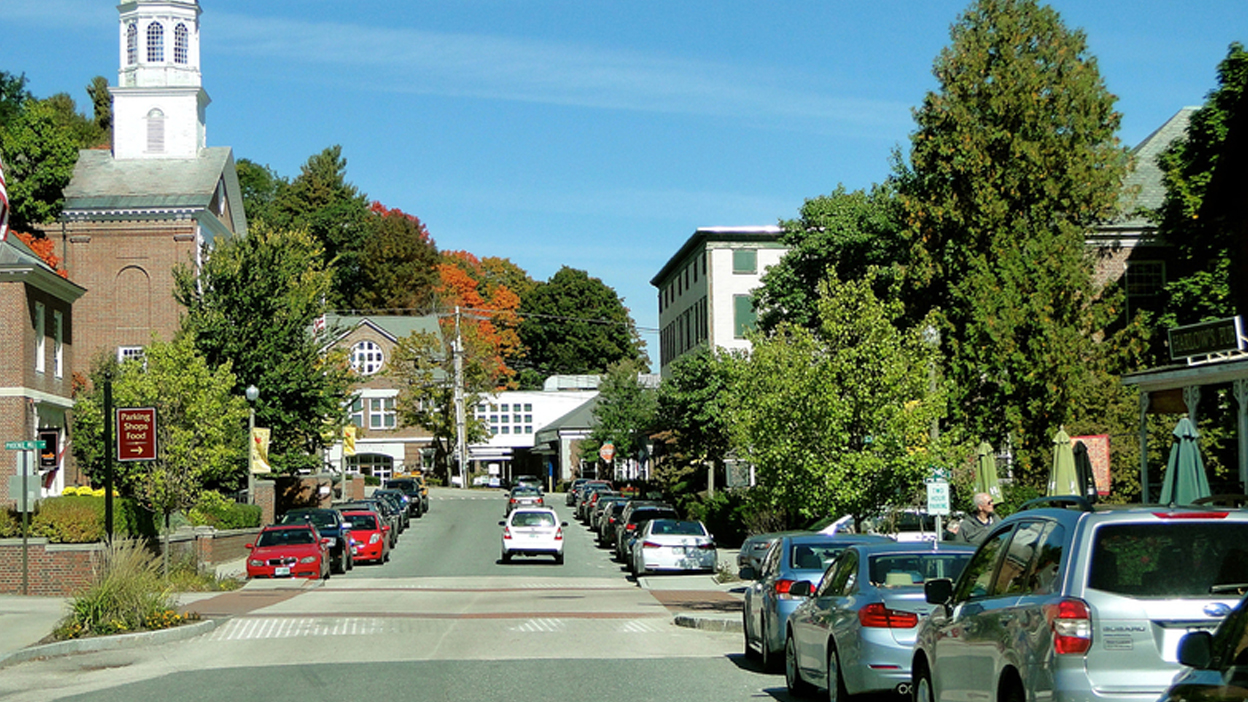
Living Close to Nature in a Beautiful Landscape
One of the most defining aspects of living in New Hampshire is its abundant natural environment. The state is heavily forested—around 81% of its land is covered by woods, mountains, lakes, and protected areas. This vast natural landscape is woven into everyday life. For residents, access to the outdoors is often just a short drive or even a walk away.
The state supports a deeply ingrained outdoor culture that spans all seasons. Winters offer opportunities for skiing, snowshoeing, and cross-country adventures, especially in the White Mountains. As snow melts, spring’s arrival might be muddy, but it signals the start of hiking and camping seasons. Summer brings lake activities such as boating and fishing, while fall is famously marked by vibrant foliage that draws people outside to soak in the colors. This rhythm ties residents closely to the land—they often plan leisure and social activities around natural cycles and seasonal outdoor experiences.
This strong connection to nature offers a lifestyle that many find restorative and peaceful. Rather than urban crowds or traffic-congested streets, life in the state often feels tied to changing weather, natural beauty, and open space.
Diverse Paces of Life Across Regions
New Hampshire’s varied geography supports very different ways of living, allowing residents to select surroundings that fit their tempo and lifestyle. The southern urban centers like Manchester and Concord have a faster pace, with active downtowns, commuting professionals, and more dense neighborhoods. Here, the rhythm is busier—days are structured by work, errands, and the surrounding infrastructure of shops, restaurants, and services.
In contrast, the rural areas in northern and western parts of the state tend toward a slower, quieter way of life. These regions are often quieter and less hurried, where daily rhythms revolve around home, family, and the natural environment rather than bustling urban demands. The contrast can be felt in commuting patterns, social outings, even in how neighbors meet and connect. This flexibility means residents can often choose the balance they want—urban energy or rural calm.
Strong Community Ties Rooted in Tradition
Another important benefit experienced by many in New Hampshire is a sense of belonging born from strong local identities. These often stem from New England’s centuries-old civic traditions, town governance, and regional cultural values.
Smaller towns and rural communities tend to have tight-knit social networks where residents know each other and actively participate in local matters. Town meetings, volunteer groups, and seasonal festivals anchor social life, giving people a feeling of connection and shared responsibility. Even in more populous southern cities, neighborhoods often retain distinct character and community focus.
This regional cultural cohesion ties New Hampshire into the larger fabric of New England states. Seasonal celebrations such as harvest festivals, winter gatherings, and Fourth of July parades reinforce local engagement. Residents typically appreciate these shared rhythms and the predictability of community routines, which contrasts with the anonymity often felt in larger metropolitan settings.
Lifestyle Within a New England Cultural Context
Life in the state is also shaped by the broader culture of the New England region. Stories, local customs, and social patterns often echo influences from across neighboring states. The emphasis on seasonal change, community participation, and outdoor recreation is collectively understood, providing a cultural backdrop that enriches daily experiences.
In rural areas, quiet and natural immersion prevail. While this brings peace and space, it also demands greater planning ahead. Shopping trips might be less frequent but more intentional; social gatherings may require coordination with longer distances.
This balance between busyness and calm becomes fundamental to residents’ moods, social interactions, and how their days unfold.
Budgeting and Lifestyle with NH Taxes in Mind
NH taxes are embedded into daily considerations. Property taxes, for example, may affect decisions about home size and location, while the absence of income tax influences overall household budgeting.
Residents often find themselves adapting routines and choices based on these fiscal realities—for example, opting for multi-purpose trips to reduce fuel expenses or selecting commute distances that balance financial and lifestyle needs. These tax-related trade-offs subtly shape how people live and move throughout the state.
Who Is Likely to Enjoy Living Here

People who thrive living in New Hampshire typically share several characteristics:
- They appreciate varied natural surroundings and embrace seasonal weather changes, including snowy winters and vibrant autumns.
- They find comfort in rural or small-town settings, favoring lower population density and quieter surroundings over metropolitan density.
- They value strong community connections and participation in local governance or civic events, drawn by New England’s traditions of town meetings and neighborly ties.
- They enjoy a lifestyle balanced between outdoor activities—hiking, skiing, lake recreation—and seasonal cultural rhythms, weaving nature and community into leisure.
- They prefer flexibility and control over their schedules, opting for a pace that allows them to step away from urban hustle and tailor days to personal priorities rather than constant urban demands.
For these residents, the distinct rhythms and trade-offs of New Hampshire life feel natural and rewarding rather than restrictive.
Who Might Feel Frustrated Living Here
Conversely, those who may find life in New Hampshire frustrating often include people who:
- Seek constant urban amenities and year-round mild weather, finding seasonal limits and winter challenges restrictive.
- Face difficulties with long travel distances and uneven service availability, especially if lacking reliable transportation or needing frequent healthcare access.
- Prioritize strong economic growth and income opportunities, encountering fewer career pathways and lower earnings potential outside of southern metro-connected areas.
- Desire demographic and cultural diversity, as rural regions tend to be more homogeneous, with diversity concentrated in select southern towns and regions.
- Are particularly sensitive to financial structures, finding NH taxes—such as property taxes—a significant factor impacting their budgeting and lifestyle expectations.
These frustrations arise not from flaws but from the way the state’s characteristics align—or don’t—with certain personal needs.
Conclusion
The pros and cons of living in New Hampshire emerge as deeply intertwined lifestyle elements shaped by the state’s environment, culture, geography, and climate. Its advantages—ample natural spaces, strong community traditions, flexible paces, and New England cultural roots—connect directly to challenges like pronounced seasonality, geographic sprawl, uneven services, and complex tax realities. These factors do not exist in isolation but combine to influence the shape of daily routines, emotional rhythms, mobility choices, social patterns, and lifestyle decisions.
Anyone considering living in New Hampshire benefits most from reflecting honestly on their habits, priorities, and tolerance for variability. Satisfaction with life in the state comes less from external comparisons or rankings and more from alignment with New Hampshire’s unique rhythms and trade-offs.
Understanding the pros and cons of living in New Hampshire means recognizing them as two sides of the same coin—a geographical and cultural reality that resonates deeply with some while challenging others. The key is finding where your personal lifestyle fits within these characteristic patterns of living.