
South Carolina is a state of distinct and diverse regions, where life changes significantly depending on geography and culture. From the flat, warm coastal plains hugging the Atlantic shoreline, through the gently rolling Piedmont with its mix of urban and rural spaces, to the green expanses of the Blue Ridge Mountains in the northwest, life in South Carolina varies widely. Understanding the pros and cons of living in South Carolina means recognizing the unique lifestyle trade-offs shaped by this range of locations.
Living in South Carolina means navigating a humid subtropical climate marked by hot summers and mild winters, and experiencing a cultural fabric woven from deep Southern hospitality and historic roots. The state’s economy is multifaceted, with tourism thriving along the coast, manufacturing fueling inland metros, and agriculture persisting in its rural areas. Together, these aspects shape how residents live day-to-day—not as a uniform experience across the coastal southern states, but as multiple, region-specific ways of relating to home and community.
The Main Advantages of Living Here
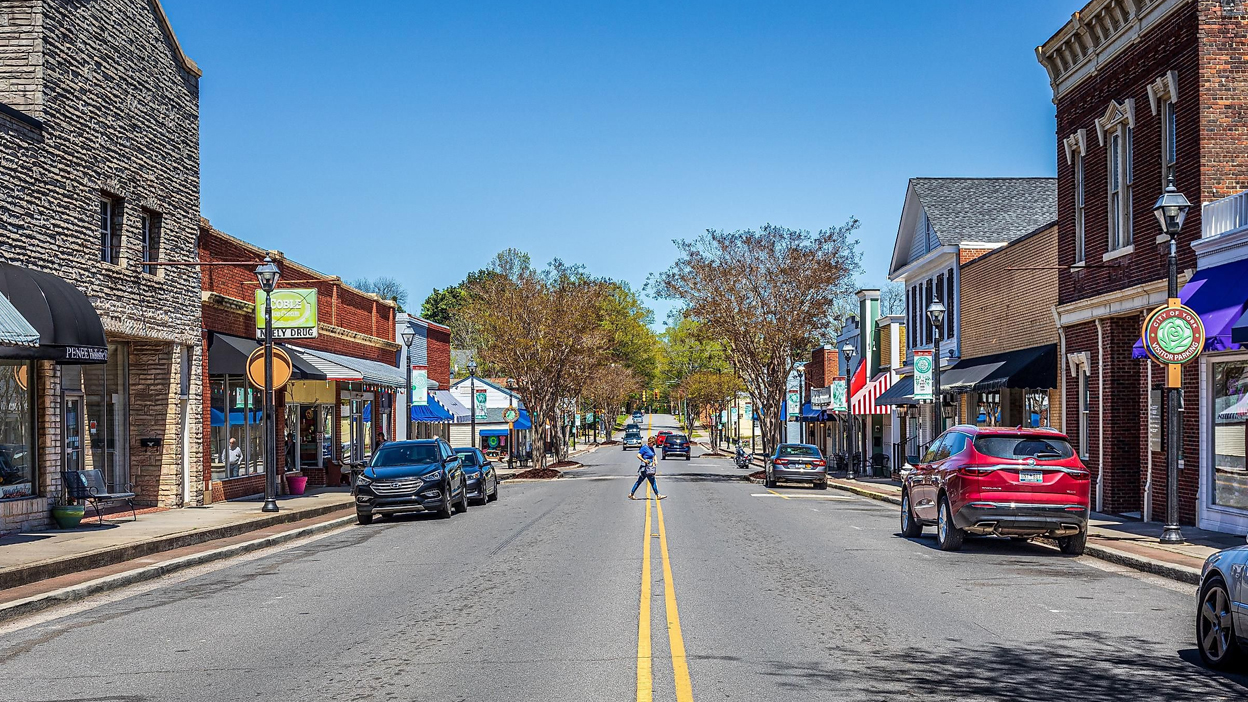
One of the defining advantages of living in South Carolina is the generally relaxed pace that blends classic Southern charm with the rhythms of both urban and rural lifestyles. Growing metropolitan areas like Greenville-Spartanburg offer dynamic yet community-focused environments. Here, you can find a mix of vibrant cultural events and neighborhood connections that create a sense of belonging without the rush found in larger cities. Meanwhile, the state’s quieter rural sections provide space and tranquility that foster slower, more mindful everyday experiences.
South Carolina’s natural environment is entwined with daily life. The coastal region, with places like Myrtle Beach and the Grand Strand, offers access to Atlantic beaches, salt marshes, and estuaries. For many, weekends are spent beachgoing, fishing in estuaries, or boating through the saltwater marshes, activities that naturally fit into seasonal routines. Inland, the forests and rolling hills invite hiking, camping, and nature walks, encouraging people to engage with their surroundings all year round. These outdoor opportunities shape recreation preferences and help define lifestyle rhythms rooted in the state’s geography.
Cultural identity in South Carolina is strong, marked by a warm Southern hospitality that encourages close-knit social interactions. Cities like Charleston preserve stunning historical architecture and foster community engagement steeped in tradition. This sense of connection shapes daily moods and social calendars, creating an environment in which neighbors know each other and community events are central to life.
Regional economic contrasts further contribute to lifestyle variety. Coastal areas influenced by maritime trade and tourism, such as Horry County near Myrtle Beach, experience population growth and seasonal social influxes. The resulting pace and workplace patterns here differ from the inland manufacturing hubs like Spartanburg or Columbia, where economic life is steadier and more anchored. This duality provides residents with different social and work environments to align with their preferences.
Finally, SC cost of living plays a significant role in daily life. The moderate price levels across housing, groceries, and leisure activities allow for comfortable living options. Residents often find this balance supports choices such as homeownership, regular social outings, or leisurely weekend trips, depending on regional and income variations. It is a key factor that frames how people budget and prioritize daily spending without persistent financial strain.
People who are comfortable with seasonal shifts—humidity, heat, and occasional storms—will find a steady rhythm blending coastal maritime influence with inland peacefulness. For many, this blend enhances an active lifestyle that weaves together outdoor pursuits, social gatherings, and work-life flow.
Those who appreciate lifestyle flexibility benefit from the state’s contrasts. Urban amenities in growing metros like Greenville-Spartanburg coexist with pastoral countryside, offering a spectrum of choices depending on priorities. This variety fosters adaptability and openness rather than expectation of a fixed way of living.
Finally, budget-conscious individuals will recognize that the SC cost of living supports homeownership, recreation, and retirement options without overwhelming financial pressures. From coastal retirement communities to Upstate family-oriented neighborhoods, the financial environment encourages personal planning that fits diverse needs.
Who Might Feel Frustrated Living Here
People seeking consistent moderate climates with low humidity may find South Carolina’s hot, sticky summers and storm seasons challenging. The unpredictability of hurricanes on the coast or occasional winter cold snaps inland adds another layer of weather uncertainty that requires ongoing adjustment.
Those familiar with dense urban living supported by extensive rapid transit may struggle with South Carolina’s largely car-dependent sprawl. The state’s slower pace of infrastructure development in rural and transitioning suburban areas can feel limiting, especially where public transportation options are scarce.
Individuals expecting cultural or lifestyle uniformity across a state might encounter frustration with the marked regional divides. Coastal tourism hubs contrast sharply with inland traditional economies, producing varied social norms, amenities, and economic opportunities that require flexibility in expectations.
Finally, residents sensitive to disparities in infrastructure and public services, or those who prefer minimal seasonal and geographical disruption, might find the everyday navigation of these challenges demanding. Rural poverty levels and uneven development demand ongoing adaptation, which may not suit everyone’s preferences.
These experiences represent mismatches between personal lifestyle inclinations and the state’s characteristics rather than deficiencies in South Carolina itself.
Conclusion
The pros and cons of living in South Carolina intertwine through its varied climate, geography, culture, and economic patterns, creating distinct and regionally specific daily experiences. From the rapid growth and coastal vibrancy of places like Horry County to the quieter persistence and challenges of inland rural communities, life here is far from one-size-fits-all.
When considering life in the state, it is essential for individuals to reflect on their routines, tolerance for weather extremes, preferences for social and economic environments, and lifestyle priorities. Only through personal exploration can one grasp how well these rhythms align with individual needs and desires.
By understanding the nuanced lived experience shaped by many internal differences, the pros and cons of living in South Carolina emerge as a complex mosaic—inviting residents to adapt, choose, and thrive in varied ways across this deeply diverse Southern state.