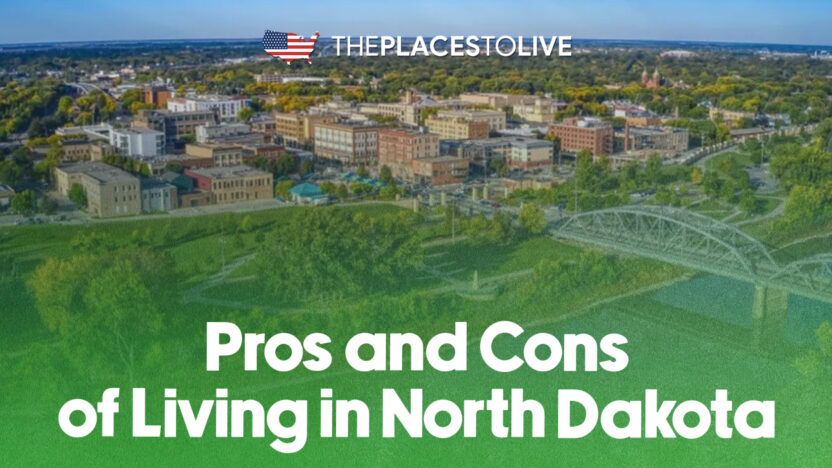
Exploring the pros and cons of living in North Dakota reveals a tapestry of lifestyle dynamics that vary widely from urban centers to rural plains. North Dakota is shaped by a complex patchwork of geographic, climatic, and cultural factors rather than fitting into a single dominant narrative. The experience of living in North Dakota differs greatly depending on one’s location within the state’s diverse landscapes and seasonal shifts.
This exploration goes beyond typical generalizations about plains states or simple assessments based on cost of living. Instead, it sheds light on how daily life here is influenced by the environment, community identity, and regional differences. Whether set against the backdrop of the Red River Valley in the east or the semi-arid western plateau, living in North Dakota involves adapting to distinct rhythms and realities.
The Main Advantages of Living Here
A Slower Pace and Spacious Freedom
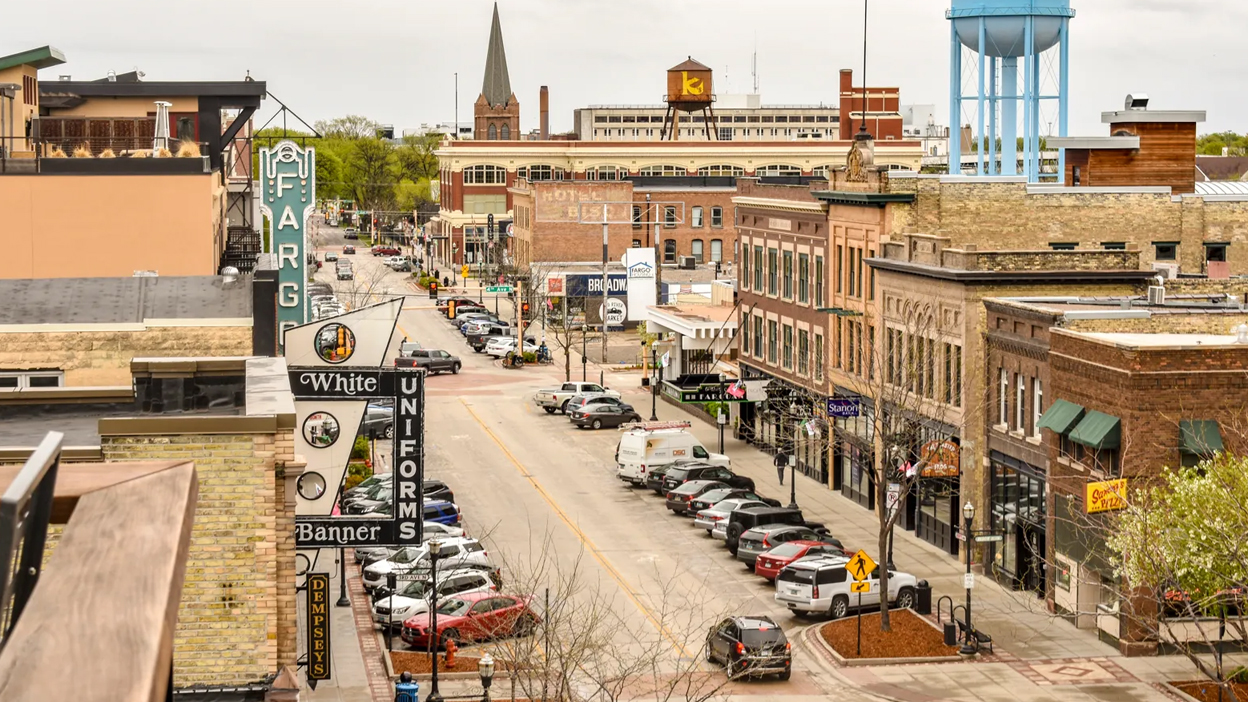
One significant aspect of living in North Dakota is the generally slower pace of life. The state’s dispersed settlement pattern allows residents to experience a sense of space, both physically and mentally. This openness offers daily comfort not often found in denser places. People can easily choose solitude when they need it or community when they seek connection. This flexibility naturally helps modulate stress and supports a more measured daily rhythm.
The Natural Environment and Seasonal Rhythms
North Dakota’s natural scenery is both vast and varied. It stretches from broad, flat plains of the east to the rugged southwestern Badlands, an area of dramatic hills and rough terrain. The state’s marked seasons carve life into distinct chapters.
July is the warmest month, bringing peak opportunities for outdoor pursuits. Residents capitalize on long summer days for hiking, fishing, community festivals, and gardening. June’s rains promote lush, green landscapes, enabling vibrant agricultural cycles and outdoor activities that connect people to the land around them.
Contrasting Regions Shape Lifestyle Choices
The eastern region, dominated by the Red River Valley, presents wide, flat expanses of rich, fertile soil. The landscape supports dense agriculture and a more sustained greenery, creating a flowing rhythm to planting, growing, and harvesting seasons. The area’s flatness influences daily movement and interactions: roads tend to be straight and travel conditions relatively consistent during warmer months.
In contrast, the western Missouri Plateau rises in rolling, semi-arid hills. This part of the state demands a different lifestyle. With less rainfall and more dramatic topography, it calls for an appreciation of rugged terrain and a closer relationship with ranching and dryland farming. Life here often feels wilder and more isolated, drawing those who enjoy expansive views and sparser human presence.
Cultural Roots and Community Identity
Living in North Dakota also means living within a cultural fabric woven from Midwestern values and a deep agricultural heritage. Community events, farmers’ markets, county fairs, and regional festivals are more than gatherings — they are expressions of shared identity and mutual support. The cadence of life often aligns with farming and ranching workloads, emphasizing collective effort, resilience, and connections across generations.
Adaptation is Everyday Practice
Residents of North Dakota interweave advantages and complications in their lifestyles. They adjust clothing layers with the unpredictable weather, plan family outings within growing seasons, and modify social calendars around school terms and harvesting cycles. This dynamic interplay is central to living in North Dakota—adapting not only to climate and terrain but to social rhythms and economic realities.
Who Is Likely to Enjoy Living Here
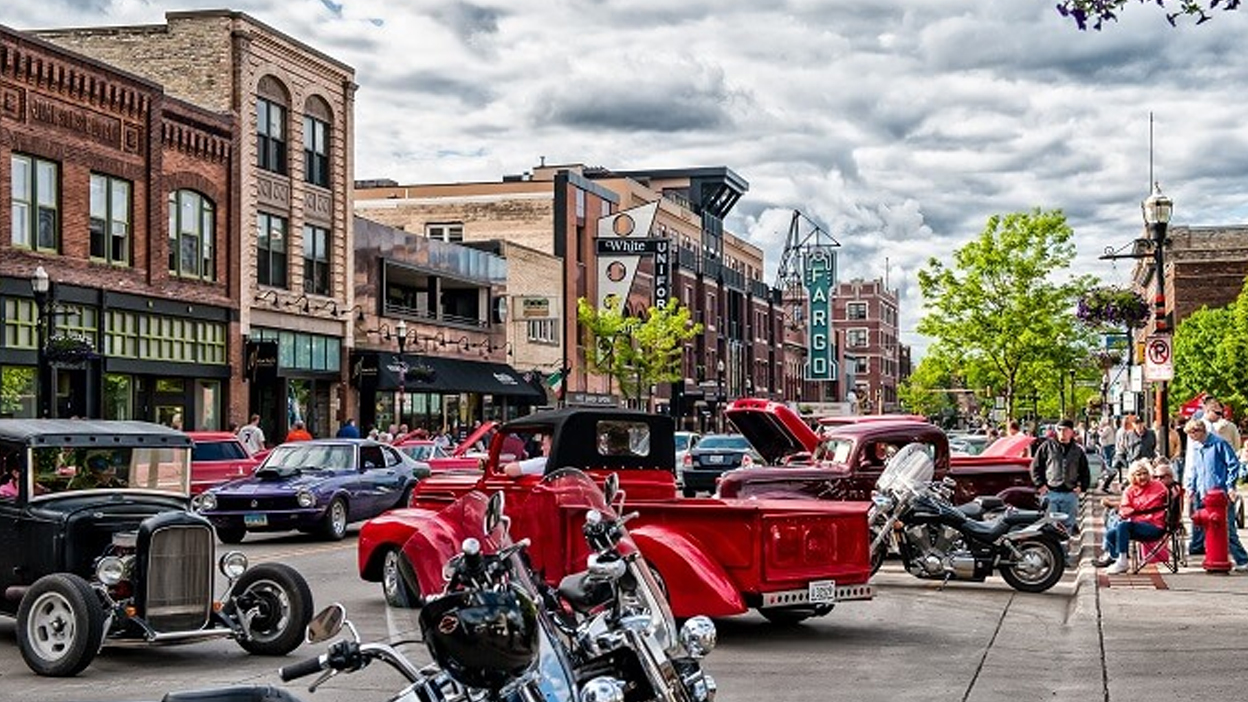
People who thrive in North Dakota tend to appreciate slower, steadier lifestyles deeply connected to natural seasonal cycles. They find peace in expansive open spaces and in communities that value mutual support and shared agricultural roots.
Those who value the cultural grounding of Midwestern norms and rural heritage often feel at home, as does anyone who appreciates diverse regional environments—from the fertile flatlands to the wild western hills.
Affordability is an important piece, not as a headline factor but as a valued part of a coherent lifestyle that integrates space, nature, and community. Finally, individuals who embrace regional differences and balance solitude with engagement in local networks typically find this state rewarding.
Who Might Feel Frustrated Living Here
Conversely, those who prefer consistent, mild climates might find North Dakota’s swings difficult. Harsh winters and hot summers can disrupt routines and create discomfort in daily life.
People expecting uniform access to amenities may be challenged by the regional variability within the state. Sparse populations and geographic separation often mean some services require travel or are simply not as prevalent.
For those used to abundant urban cultural options and close proximity to entertainment or shopping, North Dakota’s quiet rural and small urban settings might feel limiting.
Additionally, the large day-to-day temperature fluctuations, common across all seasons, can be jarring for residents craving predictability in their daily weather.
These frustrations are less about flaws in the state and more about lifestyle fit—whether a person’s preferences align with the realities of life in this expansive, variable place.
Conclusion
The pros and cons of living in North Dakota are woven into a complex fabric shaped by geographic diversity, climate extremes, cultural heritage, and regional variation. Life here does not conform to a simple story but unfolds in patterns defined by environment and community.
Anyone considering living in North Dakota should reflect on how their daily routines, tolerance for climate variability, desire for space, and values align with the rhythms and scale of life in this state.
Understanding these trade-offs—the blend of benefits and challenges tied to place—provides a clearer picture of what life in North Dakota truly involves beyond any generalization or ranking. The pros and cons of living in North Dakota reveal a multidimensional experience rooted in how people adapt to and embrace their environment and community.