
Relocating to a new state is rarely a sudden upheaval; more often, it is a subtle journey of unfolding discovery. When you think about what to expect when moving to Indiana, it helps to imagine life as a gradual layering of new rhythms, gentle shifts in daily habits, and evolving relationships with place. Indiana, nestled among the Midwest states, invites newcomers into a way of life shaped by steady community traditions and a distinct sense of time that rarely rushes. Here, “Hoosier hospitality” isn’t just a phrase—it’s an undercurrent coloring the experience of becoming part of this state.
This article does not offer a checklist or practical advice. Instead, it invites you to reflect on the lived experience of moving to Indiana—the gradual attuning of your senses, moods, and routines to a new environment. How does daily life begin to feel different? How does the state’s landscape and culture pull you into a new rhythm? What changes over weeks and months, rather than overnight? Let’s explore what emerges through time when living in Indiana.
How Daily Life Begins to Feel Different
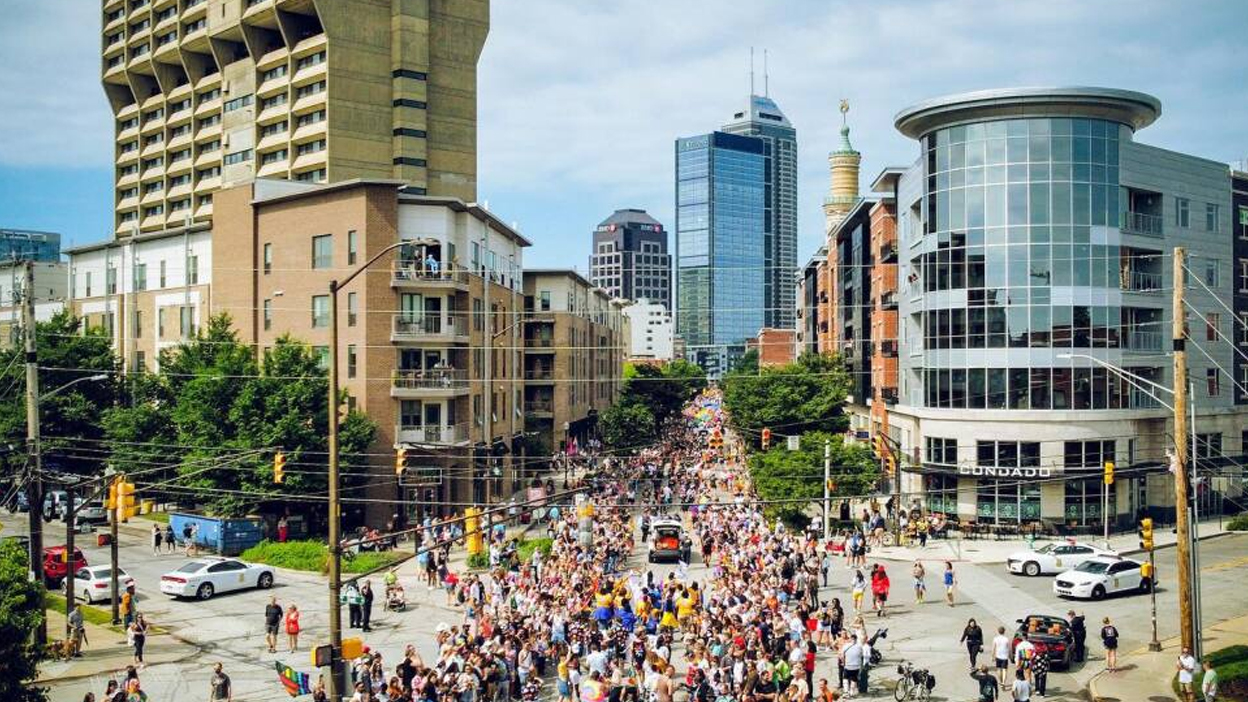
When you first arrive in Indiana, the shifts in daily life might be almost imperceptible. You may notice that your sense of time softens into a steadier cadence. Days unfold with a slower, more measured pulse than you might have grown used to elsewhere. Whether in a bustling city neighborhood or a quiet suburban street, there is a certain calmness that weaves through routines.
Living in Indiana often means adjusting to a rhythm defined by balance—a pace that’s neither hurried nor stagnant. In some urban pockets, tree-lined streets with sidewalks invite leisurely walks that slow you down, encouraging moments of stillness. In suburban or more sprawling areas, daily life stretches out spatially, creating pockets of quiet between errands and activities. This interplay between space and time subtly nudges you to settle into routines that honor a wider sense of breathing room.
Movement begins to take on new textures. Running errands or attending appointments may mean longer drives and more planning, but also a feeling that distances open up rather than confine. Over time, you become attuned to this unfolding spatial rhythm—trips that once felt long gradually become manageable parts of the day. The internal clock expands to include time on the road as a contemplative transition rather than a rush.
While Indiana’s cost of living is generally lighter compared to many places, this ease seeps quietly into daily moods rather than shouting from the start. Financial breathing room may create a gentle easing of pressure, a subtle unfolding space for shifting priorities and small joys. This isn’t about budget planning, but about how living in Indiana can give an unexpected lightness to everyday energy and decision making.
Moving to Indiana does not mean an instant makeover of life. Instead, the transformation is one of layering—gradually weaving new habits, sights, and rhythms into the fabric of days.
Regional Differences Within the State
Indiana is often considered a small state on the map of Midwest states, but its character is richly varied beneath that surface. This diversity shapes how living in Indiana feels across different places and unfolds over time.
Urban centers like Indianapolis and Fort Wayne pulse with dynamic energy. Here, revitalization projects and growing amenities hint at forward momentum, though daily life maintains a grounded sensibility. Neighborhoods in these cities may contrast sharply: from walkable, historic districts shaded by mature trees to more modern areas with high-rises and busy commercial corridors. Each nook holds its own tempo. As you settle, these urban layers gradually reveal themselves—not as a single city identity, but a mosaic of accompanying rhythms.
Surrounding these hubs are suburbs and smaller towns defined by slower, family-oriented cadences. Communities such as Carmel, Fishers, or Zionsville offer parks, local events, and routines that unfold in a comforting, predictable way. The pulse here is quieter but steady, and newcomers often find that time starts to slow appreciably in daily practice.
Hoosier hospitality, in this context, is more than friendliness—it is a cultural rhythm of trust, patience, and shared continuity. It invites ongoing participation rather than immediate inclusion, rewarding those who engage with openness and time.
As the weeks pass, social life in Indiana feels less like a challenge and more like the slow weaving of a tapestry—where each thread connects, reconnects, and interlaces across the seasons of change.
Who Tends to Adapt Comfortably
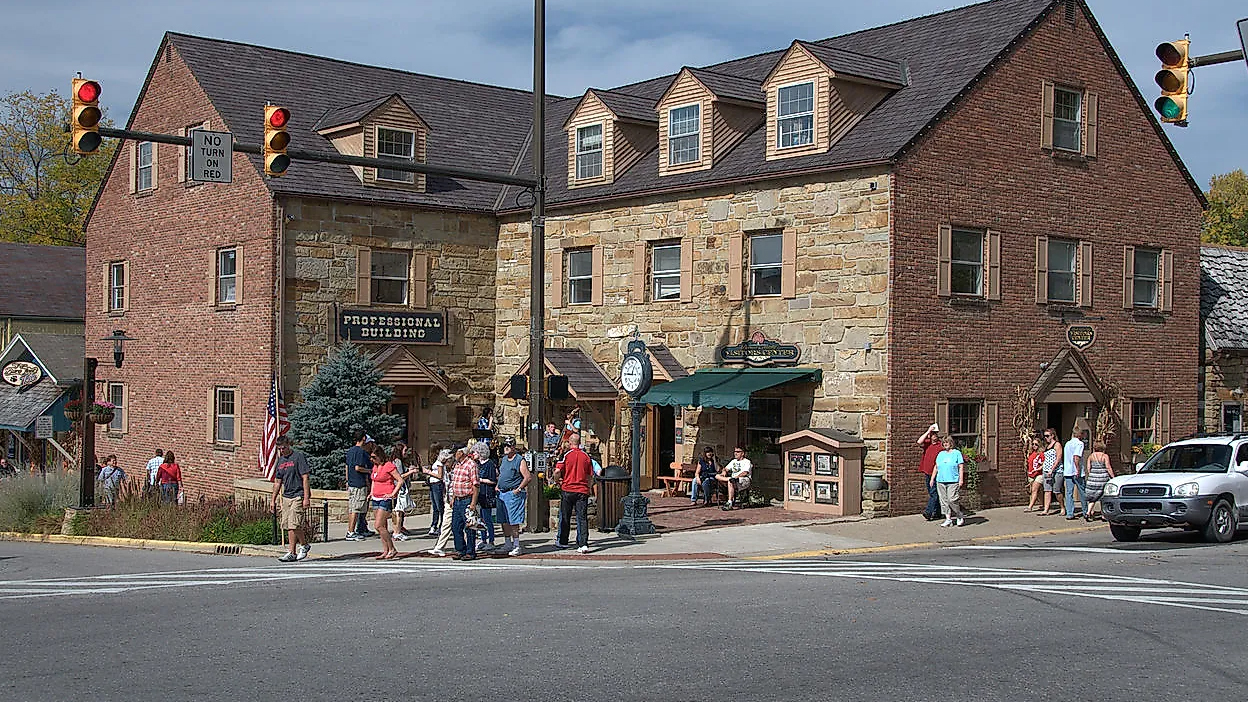
Living in Indiana tends to feel natural for those whose lifestyles harmonize with steady rhythms and openness. People who value a balanced pace—neither too fast nor too slow—often find Indiana’s unfolding daily life resonant.
Those who appreciate the subtle breathing room that the state’s general economic landscape provides may feel a gentle easing of mental load. The sense of financial space, though never the focus, can deepen comfort and broaden choices over time.
Individuals drawn to community engagement—rooted in traditions and gradual relationship building—often find their energies renewed here. Those whose work allows flexibility or remote arrangements can integrate their professional and personal lives into Indiana’s spatial and social flow more easily.
Above all, living in Indiana syncs well with values of stability, connection, and the gradual building of life’s textures. Yet, this is not a prescription—simply an observation about the kinds of natural alignment that can develop with time.
Who May Need More Adjustment Time
Adjusting to life in Indiana may require patience for those whose previous experiences leaned heavily on dense urban settings, rich public transit, or a rapid social tempo. The state’s spread-out geography and fewer transit options invite recalibrating one’s relationship to space, time, and social rhythm.
People who thrive on constant urban bustle or spontaneous social encounters might find the pace here slower and quieter initially. The seasoned transitions between indoor and outdoor life, shaped by season and geography, may take time to feel familiar.
Seasonal changes, especially colder winters, can present an emotional and practical learning curve for those unaccustomed to such shifts. The interplay of time, place, and environment means that the adjustment is less about any deficit and more about finding new personal rhythms within Indiana’s unique pulse.
This process unfolds individually, gently shaped by the large-scale environment and cultural landscape that is Indiana. Those moving to Indiana often find, in their own time, a way to harmonize with this tempo.
Conclusion
What to expect when moving to Indiana is a story not of instant transformation but of gradual unfolding. It is an experience shaped by time, place, and the personal rhythms you bring with you. Here, Hoosier hospitality serves as a welcoming undercurrent, flowing alongside quiet daily rhythms and regional landscapes that reveal themselves over weeks and months.
Living in Indiana means learning to see days as part of a calm and thoughtful process—where community traditions, seasonal changes, and spatial patterns become part of your lived world. The journey is not about checking off boxes, but about embracing steady change that grows into belonging.
Among the many Midwest states, Indiana’s particular blend of openness, stability, and gentle momentum invites newcomers to ease into a way of life that is at once familiar and quietly new. What to expect when moving to Indiana is a patient unfolding—an invitation to let life’s natural rhythms shape your experience with thoughtful presence.
Through this reflective lens, moving to Indiana comes to life not just as a change of address, but as a transformation in the very way time, space, and community weave through each day.