
Every city carries its own unique mixture of advantages and challenges that shape how people experience daily life. Understanding a place fully depends not just on surface-level facts or broad opinions, but on the patterns and routines woven into everyday experience. The pros and cons of living in Omaha, Nebraska highlight a balance between economic accessibility and quality-of-life elements that influence how residents move through their days.
Living in Omaha Nebraska means engaging with a city that offers an approachable scale, with a cost of living about 9 to 10 percent below the national average. This economic context supports a stable foundation for many households, reflected also in median incomes that suggest overall financial steadiness.
However, more than affordability defines life here—it is the rhythms of community, environment, and lifestyle that create a lived fabric shaped by both benefits and trade-offs.
The Main Advantages of Living Here
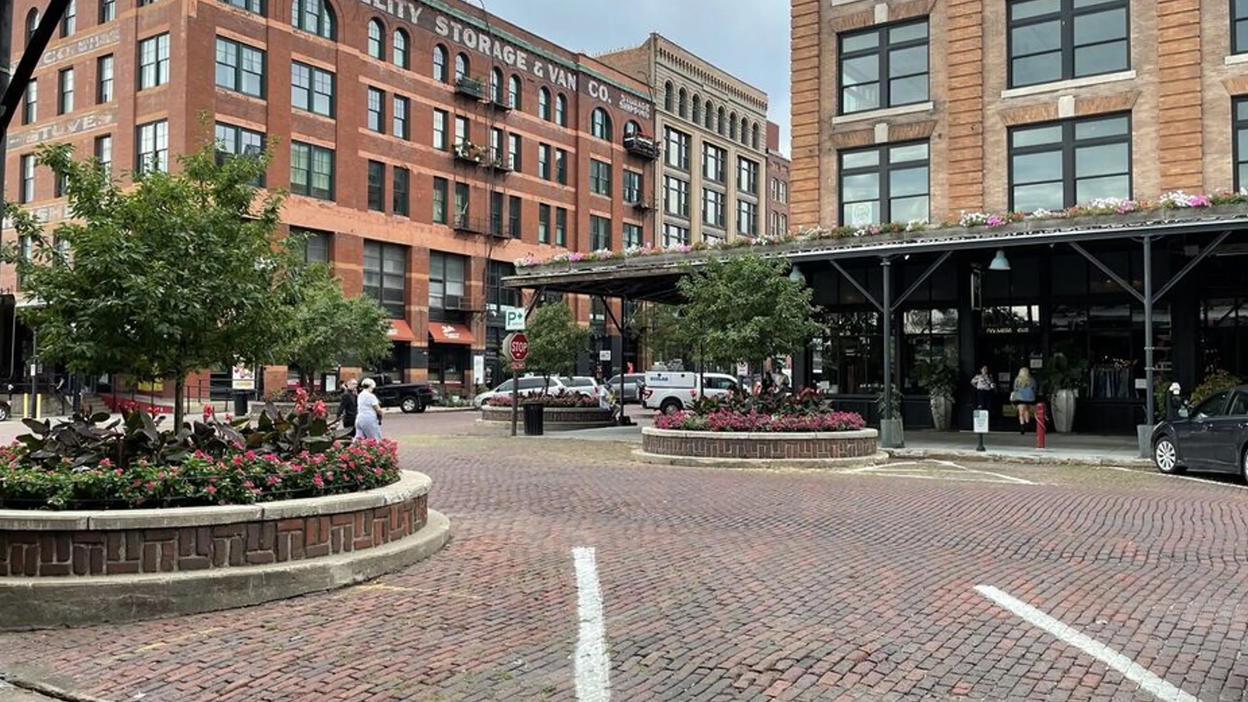
One of the most noticeable qualities of living in Omaha Nebraska is the strong community atmosphere that infuses daily life. The social rhythms revolve around local neighborhoods where people know their neighbors, where casual gatherings in backyards and community spaces feel natural rather than forced. This sense of connection is part of the city’s Midwestern character—marked by approachable friendliness and a welcoming spirit that frames interactions without grand spectacle.
Cultural life is subtly present within everyday routines. Residents find moments shaped by local arts, seasonal fairs, and informal social gatherings that create natural points of engagement. These experiences do not scream for attention but gradually build a shared cultural atmosphere deeply rooted in tradition and neighborliness.
Environmentally, the city’s position on the Great Plains provides a steady backdrop for outdoor life. Parks, trails, and open green spaces are readily accessible, offering a consistent outlet for weekend walks, jogging, or simply time outside. The moderate seasonal changes encourage residents to adapt their activities—spring blooms, warm summer evenings, crisp autumn air, and the quiet of winter all contribute distinct atmospheres that enrich daily living.
Daily life also benefits from a balance in mobility and convenience. Essentials like groceries, services, and workplaces are generally within easy reach, contributing to a manageable pace that contrasts the hustle of larger cities. Commuting is rarely a source of constant stress, with transportation costs and utility expenses both remaining below national averages. This affordability translates into a lifestyle where residents can settle into slower-paced rhythms, fostering relaxed weekend routines and casual social meetups that enhance quality of life without financial strain.
This combination of steady accessibility, Midwestern hospitality, and manageable living expenses encapsulates many of the rewarding aspects found in Midwest relocation to Omaha.
This place naturally appeals to people with lifestyles comfortable with seasonal variation. Those who adapt their activities for changing weather—embracing indoor winters and outdoor summers—find routines that align well with the city’s natural cycles. Access to green spaces alongside urban conveniences strikes an appealing balance for residents seeking this blend.
Affordability combined with manageable living costs attracts budget-conscious individuals and families who want to maintain flexible lifestyles without overwhelming financial strain. The capacity to own or rent housing at reasonable levels, alongside lower utility expenses, frees residents to pursue personal and social interests comfortably.
In all, those looking for a predictable, community-driven environment where urban access is tempered by slower pacing and natural surroundings will commonly find life here agreeable.
Who Might Feel Frustrated Living Here
Conversely, some individuals may find the city’s measured rhythm limiting. People accustomed to fast-paced urban centers with dense neighborhoods and constant activity could experience life here as too restrained or quiet. The city’s approachable size, while beneficial for many, simply may not meet expectations for metropolitan buzz or nonstop cultural stimulation.
For residents sensitive to climate, the seasonal extremes present ongoing challenges. Those who prefer consistently mild, temperate weather could find the heating demands of winter and cooling needs of summer disruptive to routines and comfort.
Professionals seeking expansive job markets and rapid career growth may also find this environment less dynamic than larger metropolitan regions. The city’s steady pace of economic and job market development might feel too deliberate for those prioritizing quick advancement.
These perspectives highlight lifestyle fits rather than deficiencies, underlining how personal preferences shape the experience of living in Omaha Nebraska and the broader Midwest relocation context.
Conclusion
The pros and cons of living in Omaha, Nebraska come together in a layered pattern that offers both rewarding experiences and necessary adaptations. This city’s blend of economic accessibility, stable community connections, and environmental rhythms creates a lived balance that reflects the realities of mid-sized Midwestern life.
Understanding this place fully depends on reflecting on how your own routines, rhythms, and preferences align with the city’s character. The measured pace, seasonal variation, and affordability shape daily life in ways that can either fulfill or frustrate depending on personal priorities.
Ultimately, the pros and cons of living in Omaha, Nebraska reveal a city where community, environment, and lifestyle trade-offs weave into a coherent whole, inviting residents to engage with its steady flow rather than resist it. Living here is about finding harmony with these patterns, appreciating the spaces in between convenience and challenge that define daily experience.