
When exploring the pros and cons of living in Delaware, it is essential to look beyond surface-level impressions and understand how daily life unfolds amid the state’s unique geographic and ecological features. Delaware spans a remarkable range of environments—from its 28 miles of ocean shoreline and over 381 miles of tidal estuarine shore, to its low-lying wetlands and the elevated Piedmont highlands in the north. These natural characteristics shape how residents experience routine activities, moods, mobility, and social interactions in ways closely tied to place.
Living in Delaware means adapting to a landscape where one-fourth of the state is covered by tidal marshes, vast expanses of forests, and coastal plains, with an average elevation barely reaching 60 feet. The interaction between these environments, alongside community traits and practical factors such as Delaware taxes and the cost of living Delaware residents face daily, creates a nuanced lifestyle fabric. This article delves deeply into how these elements influence life across Delaware’s compact and varied terrain.
The Main Advantages of Living Here
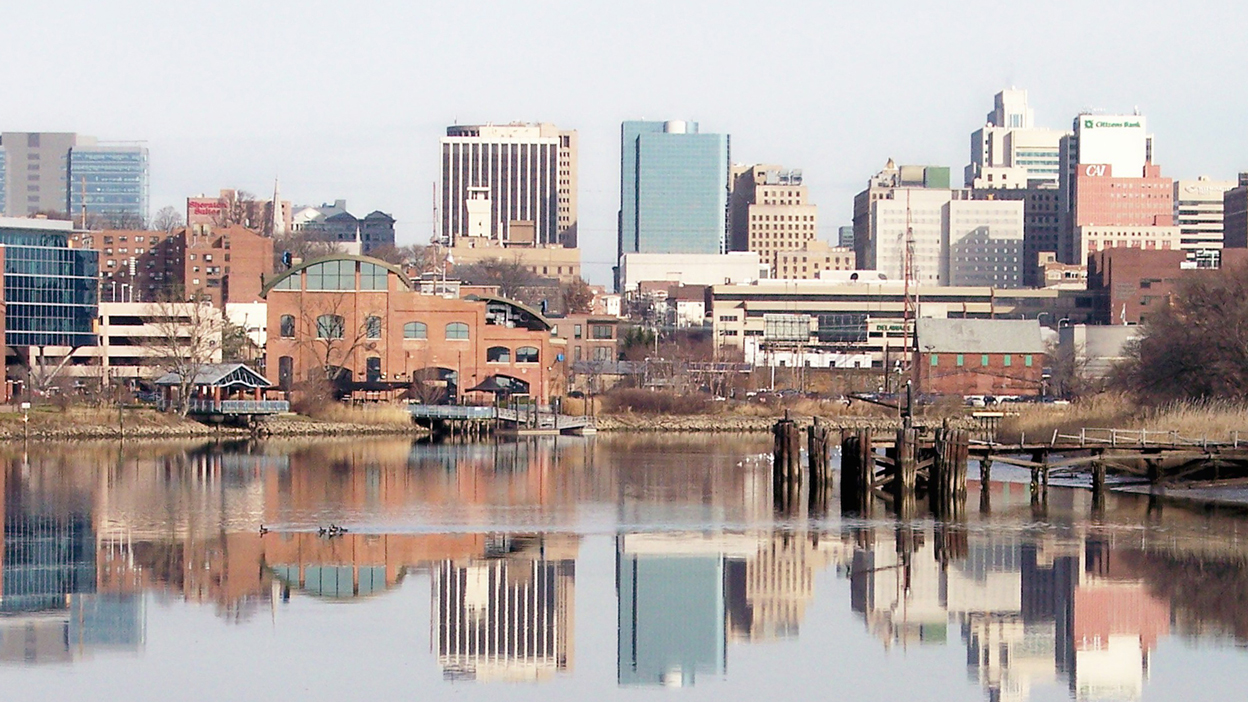
One of the clearer benefits of living in Delaware is its manageable and balanced pace of life. The state’s small size lends itself to an easy mix of quiet rural and suburban settings paired with access to urban amenities. This blend is closely informed by Delaware’s geographic diversity—rocky northern Piedmont landscapes transition into flat, marshy coastal plains in the south, creating a rhythm of life that varies remarkably even within a short drive.
Recreation and engagement with nature form a cornerstone of daily routines here. With 113,000 acres of tidal estuarine wetlands and over 20,000 acres of inland state forests, residents are routinely immersed in outdoor activities such as hiking through oak and hickory woods, birdwatching in marshes, or spending time on coastal dunes and beaches. These environments nurture a connection to the natural world uncommon in many places, grounding life in seasonal and ecological cycles.
Delaware’s cultural identity is distinctive, shaped by its position as an ecological transition zone bridging northern and southern flora and fauna. This blending fosters a community-minded outlook where conservation and local history are valued. The presence of forests, wetlands, and coastal plains creates an environment where appreciation for biodiversity becomes a shared aspect of living here.
Residents’ lifestyles are further diversified by the state’s varied terrain. For instance, life in the Piedmont hills, where the soil is clay-rich and aquifers run deep, differs from living on the sandy coastal plains backed by ocean dunes. This variety grants individuals and families the ability to select environments that best suit preferences, whether that means quieter seclusion in Sussex County’s wetlands or busier, more urban-influenced life in New Castle County.
Economic factors subtly reinforce these lifestyle patterns. Delaware is notable for its absence of a sales tax, an aspect that integrates smoothly with daily financial rhythms. Mild winters and warm, occasionally humid summers support a lifestyle that does not face the extremes of energy use or seasonal disruption common in other regions. Delaware taxes, understood as more than just numbers, inform decisions from home purchases to habits around shopping and leisure without imposing undue pressure. The cost of living Delaware residents navigate tends to be stable, allowing a comfortable standard of living intertwined with natural rhythms and community coherence.
In sum, the advantages here manifest in everyday life: from unhurried weekend hikes and weekend social gatherings to a general mood shaped by proximity to green spaces and a moderate climate. Living in Delaware means weaving local geography and culture into a day-to-day experience that balances activity with relaxation, nature with neighbors.
Individuals or families comfortable with blending urban proximity and access with quieter residential ecosystems tend to flourish here. If the appeal of northern Piedmont areas’ hills, combined with access to city amenities, fits one’s needs, so does the ocean-moderated climate and the gentle low-elevation landscape of Delaware.
Adaptability to seasonal variation marked by mild winters and humid summers helps residents fully engage with what Delaware offers. The experience of living in Delaware involves an appreciation for biodiversity and ecological transitions—from forests to tidal marshes—that are woven into personal habits and community culture.
Households who incorporate Delaware taxes and cost of living into their lifestyle calculus often perceive these factors not as burdens but as parts of a wider quality-of-life framework. They recognize how tax structures and stable living costs can enhance long-term comfort without imposing sharp financial pressures.
In sum, Delaware’s lived experience aligns well with those preferring variety in landscape and lifestyle, who enjoy community-minded environments that balance nature with accessible convenience.
Who Might Feel Frustrated Living Here
Conversely, Delaware can frustrate those whose preferences lie at lifestyle extremes. People accustomed to bustling urban environments with nonstop activity may feel constrained by the state’s quieter, more measured rhythms and limited cityscape density.
Similarly, those seeking deep rural isolation may find the state’s compactness and regional contrasts challenging. The uneven distribution of amenities—ranging from the wetland-dominated counties of Sussex to New Castle’s developed urban centers—can test expectations for consistent and convenient service access.
Climate elements such as persistent summer humidity, the threat and impact of Nor’easters, and ongoing sea level rise may wear on individuals who prioritize uniform weather or minimal environmental risk exposure. Homeowners and renters alike may experience dissatisfaction with property taxes and higher maintenance costs concentrated in coastal and vulnerable areas, especially if stability and low upkeep are priorities.
The frustrations here reflect differences in individual fit with Delaware’s dynamic landscape and community rhythms. These are not inherent faults of the state but rather natural trade-offs that highlight the diversity of resident experiences.
Conclusion
The pros and cons of living in Delaware hinge on an intricate interplay of environmental richness, a moderate climate, community culture, and economic realities such as tax structure and cost pressures. Coastal wetlands, Piedmont hills, and ocean influences contribute to a lifestyle marked by variation and adaptation.
People considering life in Delaware benefit from reflecting on their personal habits, expectations, and tolerance for the state’s regional and ecological diversity—from tidal estuaries to forested uplands and dune-backed shores. Living in Delaware requires embracing a blend of convenience and conservation, opportunity and accommodation.
By understanding these lived realities, readers can better gauge if Delaware’s unique pace and settings harmonize with their lifestyle needs. Approaching the pros and cons of living in Delaware with this experiential lens offers a comprehensive view beyond statistics or rankings—centering life as it is truly lived across this varied and compelling state.