
Living in Minneapolis, Minnesota, is defined by a complex blend of benefits and challenges that unfold through the everyday experiences of its residents. When people talk about the pros and cons of living in Minneapolis, Minnesota, they often refer not to abstract numbers or generalized opinions but to the nuanced daily realities—the rhythms, environments, and habits that shape life here. This article explores those intricate trade-offs as lived experiences, revealing how the city’s urban energy and seasonal shifts coexist to create a distinctive lifestyle.
Minneapolis stands as a compelling example of Midwest city living, where bustling arts scenes and lakeside tranquility come together, framed by strong seasonal contrasts. Understanding life here requires looking past surface impressions, and instead appreciating how urban conveniences and natural cycles weave through residents’ routines, community interactions, and personal adjustments.
The Main Advantages of Living Here
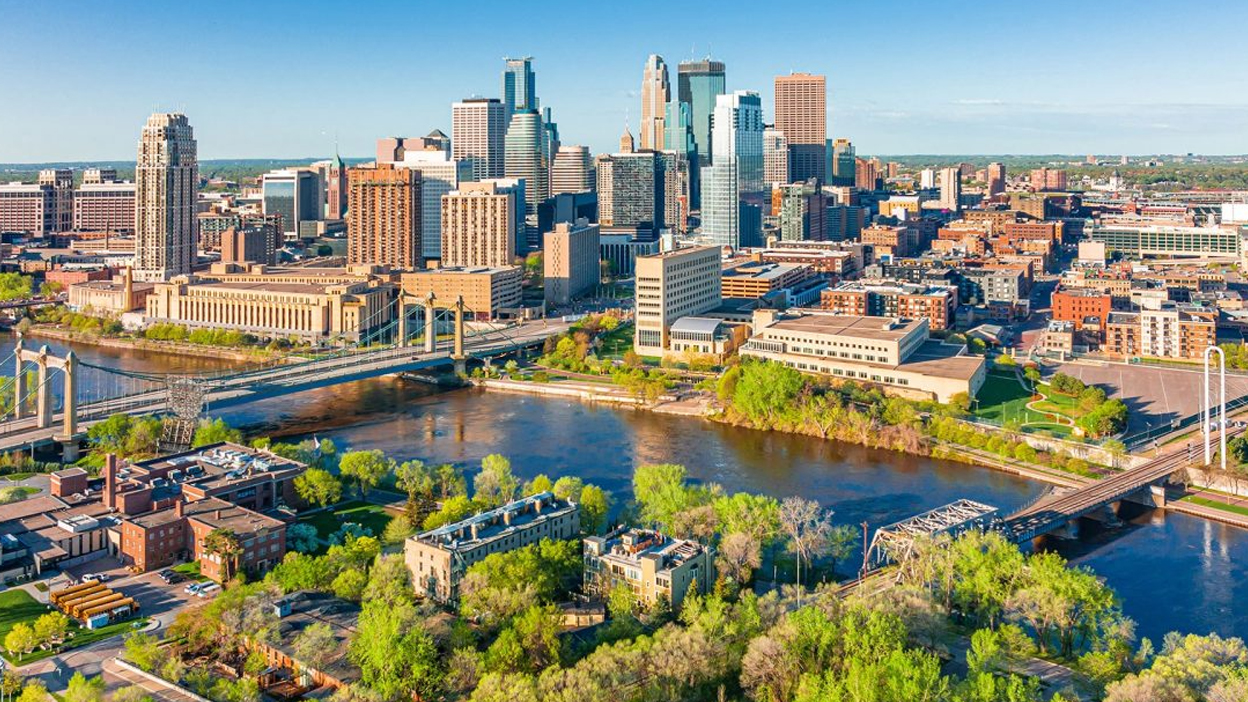
One of the most immediately noticeable aspects of living in Minneapolis Minnesota is the city’s immersive cultural landscape. Art galleries, theaters, music venues, and a flourishing food culture provide a rich social fabric. This cultural vitality fosters a strong local identity, where community connections often form around shared experiences of creativity and local traditions. The dynamic arts scene is more than background noise; it shapes many residents’ social patterns and weekend plans.
Beyond culture, the city’s environment plays an integral role in daily life. Minneapolis famously includes more than 22 lakes and a wealth of green spaces within its boundaries. These natural features are not tucked away but integrated seamlessly into leisure and fitness routines. When the weather allows, trails for biking and walking, outdoor cafes, and parks become natural extensions of urban living, offering a refreshing contrast to the city’s built environment.
Urban conveniences complement this access to nature. A reliable public transit system—comprising light rail and extensive bus networks—supports easy movement without reliance on a car in many parts of the city. Neighborhood markets and cafes are often within comfortable reach, supplying everyday necessities and social hubs closer to home, all while avoiding the extreme costs seen in some larger metropolitan areas.
This blend of offerings reflects the essence of Midwest city living: an approachable urban experience marked by friendliness, manageable social pace, and interconnected community life. Employment opportunities are solid, supported by a healthy local job market across sectors like healthcare, education, and technology. Quality public schools and accessible healthcare facilities underpin the lifestyle benefits, providing structure without overwhelming financial burdens. While housing and transportation costs maintain relative affordability compared with many urban centers, the emphasis remains on the balanced lifestyle these elements collectively enable.
The Common Challenges or Downsides
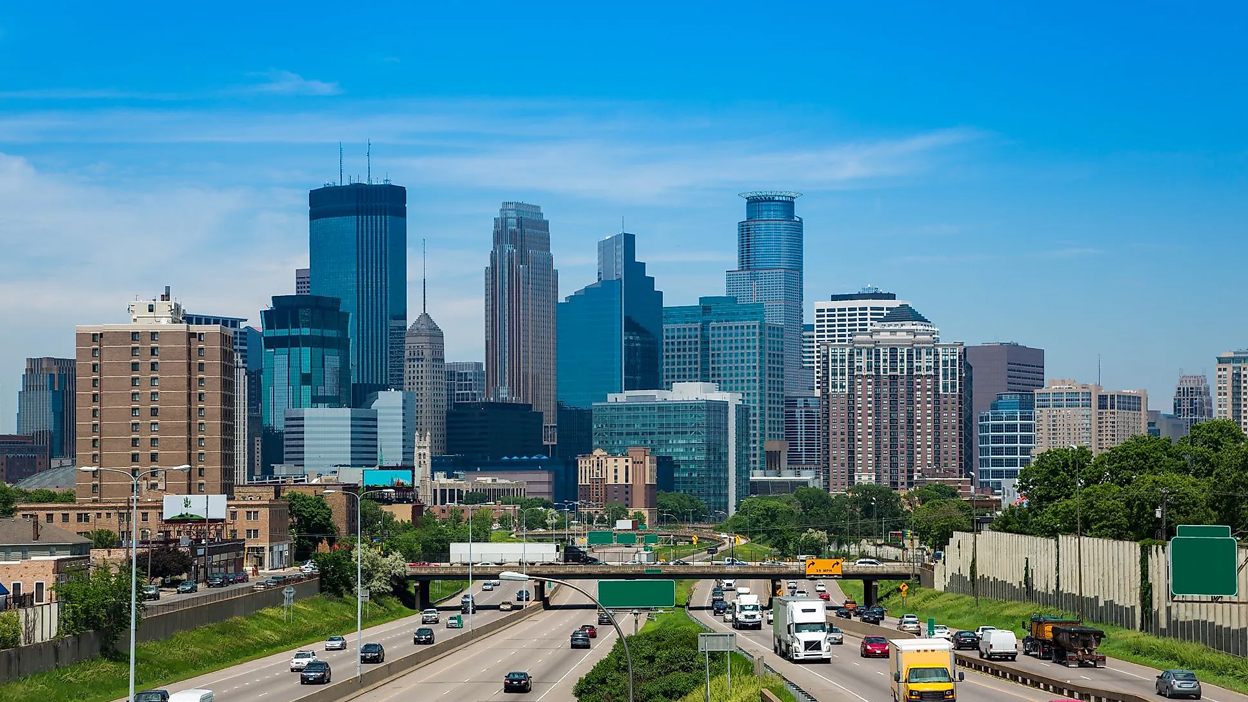
The city’s distinctive advantages coexist with notable challenges, many shaped by Minneapolis’s climate and urban structure. Winters present a particularly demanding test. With temperatures frequently plunging well below freezing and heavy snowfalls common from late fall through early spring, mobility and outdoor activity face serious seasonal limitations. Residents must often adapt to icy sidewalks, snow-covered roads, and reduced daylight, which shrink opportunities for outdoor socializing and exercise over several months.
Community warmth is another factor that resonates. Residents who value approachable social interactions and a sense of belonging within local neighborhood markets, parks, and cultural events tend to find this city welcoming. The combination of accessible green spaces, like the iconic Chain of Lakes, and vibrant metropolitan amenities characterizes the kind of balanced Midwest city living that fosters sustained engagement and satisfaction.
This alignment hinges less on idealized portrayals and more on an authentic fit between lifestyle preferences and the city’s natural rhythms.
Who Might Feel Frustrated Living Here
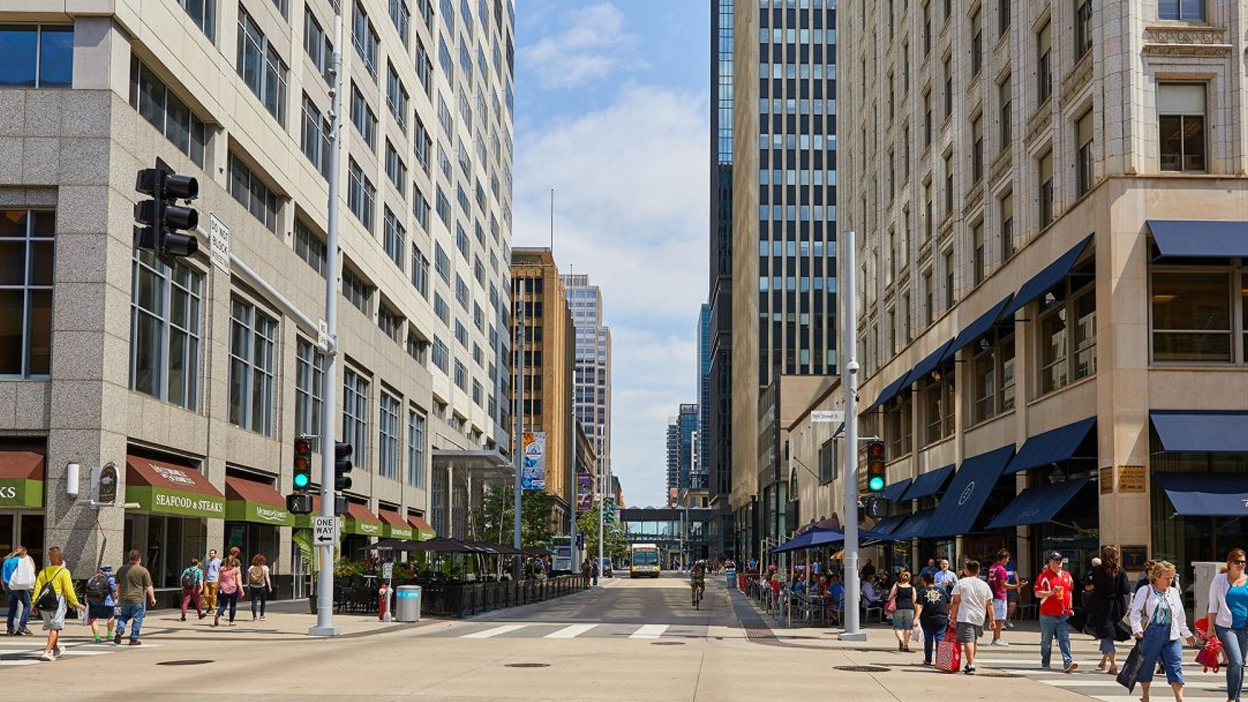
Conversely, Minneapolis may not suit everyone. Those unaccustomed to the city’s severe and extended winters often find their routines disrupted by weather’s dominance. The physical and psychological demands of shoveling snow, layering multiple clothing layers, and navigating icy transit can become sources of frustration, particularly for those used to milder or more stable climates.
Similarly, individuals preferring quieter or less densely populated environments might experience the vibrant urban energy as overwhelming. Noise, congestion, and the brisk pace of city life in core neighborhoods may contradict desires for tranquility and lower sensory input. This intensity—an inherent feature of Midwest city living here—can feel stressful rather than stimulating.
Frustrations emerge less from the city’s shortcomings than from a mismatch between lifestyle expectations and environmental realities. Residents who prioritize consistent warmth or minimal seasonal maintenance may feel disconnected or dissatisfied with the constant need to adapt to changing conditions.
Rather than judgment, these experiences reflect the natural consequences of living in a place shaped by marked seasonal shifts and lively urban dynamics. The suitability of daily life depends on harmony between personal rhythms and the city’s character.
Conclusion
The pros and cons of living in Minneapolis, Minnesota, are inseparably woven into the fabric of everyday experience. Cultural vibrancy and natural beauty exist alongside biting winters and urban bustle, composing a unique interplay that defines the city’s character.
For those considering life here, reflecting on how these intertwined factors connect with personal habits and preferences offers more insight than any detached evaluation. The city’s dynamic arts scenes, accessible green spaces, and solid economic foundation coexist with challenging winters, commuting adaptations, and density-driven pace.
Understanding life in Minneapolis means embracing the balance of advantage and challenge that coalesce into a lived reality—one marked by continuous adjustment, community warmth, and seasonal variety. This genuine and layered portrayal invites appreciation of the city’s distinctive rhythm without gloss or judgment, rooted firmly in experience rather than impression.