
Relocating to a new state requires a clear understanding of its fundamental characteristics before selecting a specific city or region. This article presents essential things to know before moving to Indiana, offering a broad, factual view of the state’s geographic, economic, climatic, infrastructural, and regulatory realities. As part of the Midwest, Indiana reflects many characteristics typical of Midwest living, including distinct seasons and a combination of urban and rural environments. This guide provides an objective, analytical foundation to assist prospective residents in making informed decisions without focusing on individual cities.
Geographic and Regional Differences Within Indiana
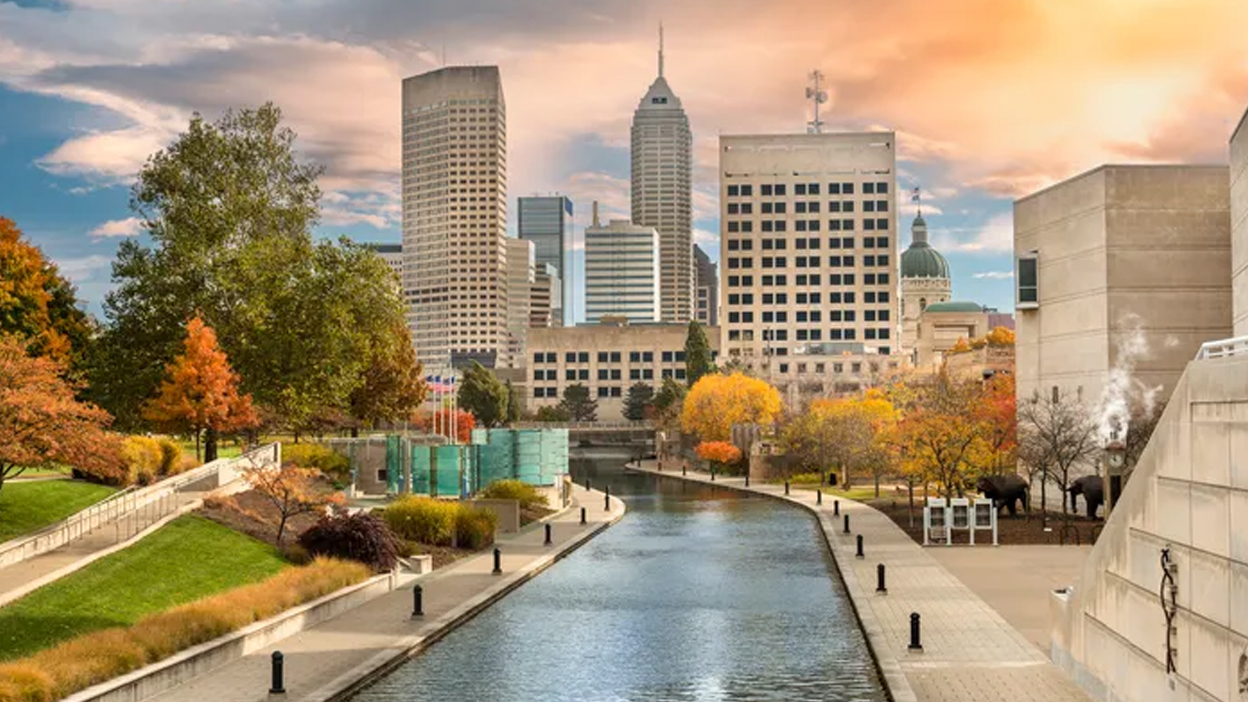
Indiana’s physical geography is distinctly divided into three major regions, each with unique terrain, landforms, and climate influences that shape residential development and population distribution.
Major Geographic Regions
- Great Lakes Plain (Northern Third): This northern region features flat to gently rolling terrain with elevations ranging roughly between 600 and 1,000 feet above sea level. Along the Lake Michigan shoreline, sand dunes and ridges—some reaching nearly 200 feet tall—form notable geographic features. Numerous glacial kettle lakes are scattered throughout, remnants of ancient glacial activity shaping the landscape.
- Tipton Till Plain (Central Third): Centered in Indiana, this area consists of low, gently rolling hills and shallow valleys. Unique sandstone ravines appear in west-central parts, such as those observable in state parks like Turkey Run, marking landscape variety amidst otherwise moderate terrain.
- Southern Hills and Lowlands (Southern Third): This southern region is markedly hillier with limestone hills stretching from the Ohio River northward toward Greencastle. The proximity to the Ohio River creates broad river valleys with distinctive topography, contributing to variation uncharacteristic of the flatter northern parts of the state.
Major Water Features
Indiana’s geography is strongly influenced by several significant water bodies:
- The Ohio River outlines the entire southern border, forming a natural geographic boundary.
- The Wabash River, a key river flowing through western Indiana, shapes river valley topography that impacts settlement and agriculture.
- Lake Michigan influences the northwest corner of Indiana, contributing to unique coastal features and localized climatic conditions.
Climate Zones and Environmental Risks
Indiana’s climate varies regionally:
- The northern counties fall within a colder humid continental climate zone characterized by harsh winters and frequent lake effect snow due to proximity to Lake Michigan.
- The southern counties lean toward a humid subtropical climate with milder winters, warmer summers, and vegetation typical of the southeastern U.S.
Overall, Indiana experiences four distinct seasons: cold winters, warm and humid summers, moderate springs, and colorful autumns.
Environmental risks statewide include:
- Tornadoes: Indiana lies within a zone prone to tornado activity, requiring consideration in housing standards and insurance.
- Flooding: Particularly near river valleys such as the Ohio and Wabash rivers, seasonal flooding poses localized challenges.
- Snow accumulation: The northern counties, especially along Lake Michigan’s influence zone, experience significant snow loads that affect infrastructure and daily life.
Implications for Moving to Indiana
Understanding Indiana’s geographic diversity and climatic gradients is vital for assessing long-term living conditions. Topography affects the ease of residential development and infrastructure installation. Likewise, climate risks influence insurance costs and construction practices. These factors form essential things to know before moving to Indiana to ensure alignment with individual preferences and needs.
Urban vs Rural and Regional Living Patterns in Indiana
Indiana encompasses a blend of urban centers, suburban communities, and rural landscapes, each presenting distinct living patterns and access to amenities.
Urban Centers and Infrastructure
While large cities like Indianapolis, Fort Wayne, and South Bend concentrate higher population densities, infrastructure investment, and public transit options, these urban hubs account for a relatively modest proportion of the statewide population. Such centers offer more developed road networks, healthcare facilities, and cultural institutions.
Suburban and Rural Characteristics
Outside metropolitan areas, most of Indiana exhibits lower population densities. Suburban and especially rural regions rely heavily on personal vehicle use due to sparse public transit, limited commercial centers, and fewer large-scale amenities. Here, infrastructure is often scaled to support smaller populations with longer distances between service points.
Summary
Recognizing Indiana’s regional climate variation and environmental risks constitutes crucial things to know before moving to Indiana, shaping expectations and preparedness.
Cultural, Social, and Lifestyle Norms in Indiana and the Midwest
Understanding Indiana’s broader social and cultural fabric helps anticipate community dynamics statewide without delving into city-specific profiles.
Demographic Overview
Indiana’s population displays moderate diversity, with urban areas generally more heterogeneous than rural regions. Statewide, residents represent a range of ethnic and socioeconomic backgrounds common to the Midwest.
Midwest Cultural Characteristics
Typical regional traits include:
- A strong emphasis on family and community engagement.
- A pragmatic approach to lifestyle, balancing work and personal time.
- Social norms that favor practical solutions, local traditions, and moderate pace of life.
Lifestyle Patterns
Residents often participate in community events, value education and employment stability, and maintain connections to both urban amenities and rural open spaces.
Relevance for Movers
Grasping these generalized social tendencies supports those assessing cultural fit as part of relocation research in Midwest living contexts like Indiana.
Taxes, Regulations, and Long-Term Planning Factors in Indiana

Tax structures and regulatory frameworks influence the financial and legal environment for homeowners and residents.
Tax Overview
- Income Tax: Indiana applies a state income tax with rates moderately low relative to national averages, easing financial burdens on earners.
- Sales Tax: A statewide sales tax affects goods and services purchases.
- Property Tax: Varies regionally, impacting homeowners differently depending on county and municipality.
Insurance and Environmental Regulations
Homeowners in tornado- or flood-prone regions may face higher insurance premiums tied to local hazard classifications.
Housing and land use are regulated at state and local levels, with zoning frameworks controlling development density and land use types.
Environmental protection laws guide sustainable practices and influence building permits, especially near sensitive ecological zones.
Considerations for Relocators
Awareness of these tax and regulatory factors is vital when moving to Indiana, as they contribute to the overall cost of living and influence long-term property decisions.
Who Indiana Is Generally a Good Fit For
Indiana’s characteristics align well with certain demographics and lifestyle preferences.
Suitable Residents
- Individuals or families valuing affordable housing and overall lower living costs typical of Midwest living.
- Those employed or seeking work in manufacturing, agriculture, healthcare, or emerging tech sectors reflecting the state economic profile.
- People comfortable with car-dependent transportation systems and a climate featuring four distinct seasons, including cold winters.
- Residents seeking a balance between urban amenities and accessible rural environments.
Summary
These broad attributes represent key things to know before moving to Indiana for households considering statewide relocation.
Who Should Research Further Before Moving to Indiana
Certain populations require more detailed investigations into local specifics beyond this statewide overview.
Groups Needing Localized Study
- Families with children focusing on school system quality and particular educational needs, as school performance varies by district.
- Specialized professionals seeking detailed job market analysis in niche sectors.
- Climate-sensitive individuals who must assess local weather risk profiles in detail.
- Transit-dependent persons requiring comprehensive public transportation options evaluation.
Next Steps
This article provides a foundational perspective, and prospective residents are advised to complement it with focused examination of neighborhoods and municipalities relevant to their priorities when moving to Indiana.
Conclusion
Comprehending these broad, structurally significant things to know before moving to Indiana establishes a foundation for an informed relocation process. Indiana’s distinct geographic regions, variable climate zones, mixed urban-rural landscapes, economic sectors, transportation infrastructure, and regulatory environment collectively shape living conditions across the state.
This statewide overview serves as a strategic starting point, encouraging prospective residents to apply this knowledge as they undertake more detailed, localized research. In doing so, those moving to Indiana can align their expectations with statewide realities, facilitating better decisions and smoother transitions within this dynamic Midwest living environment.