Utah, located in the Mountain West region of the United States, stands out for its remarkable geographic diversity, spanning from high alpine mountains to sprawling arid deserts. For those considering moving to Utah, understanding the broader statewide realities is essential before focusing on individual cities or regions. This article presents a comprehensive, objective overview of things to know before moving to Utah, emphasizing geographic, economic, climatic, infrastructural, and cultural factors that define the Mountain West lifestyle throughout the state.
Whether you are drawn by economic opportunities or the natural environment, grasping the broad patterns and practical implications of living in Utah’s distinct regions will aid in making an informed relocation decision. This guide is designed for the research and planning stage, providing factual insights to complement deeper local investigations.
Geographic and Regional Differences Within Utah
Utah’s geography divides into four primary regions that influence climate, population distribution, and lifestyle choices.
- Basin and Range (Great Basin): The western part of Utah is characterized by the Basin and Range province, also called the Great Basin section. This area features numerous north-south mountain ranges separated by broad desert basins. The terrain is arid with sparse vegetation, primarily sagebrush, and experiences very low annual precipitation. These basins extend into neighboring Nevada, presenting a rugged, dry environment.
- Middle Rocky Mountains: North-central Utah is dominated by the Middle Rocky Mountains region, which includes two main mountain ranges: the Uinta Mountains running east-west and the Wasatch Range running north-south. The Uinta Mountains contain Utah’s highest point, Kings Peak, at 13,528 feet. This region is mountainous with deep canyons and alpine terrain that contribute to cooler temperatures and more precipitation compared to basins.
- Transition Zone: Located centrally and to the south, the Transition Zone blends basin landscape features with rising plateaus and isolated mountain ranges. This area acts as a geographic intermediary, showing a mixture of flat basins and elevated landforms including canyons and plateaus.
- Colorado Plateau: Covering the eastern and southern sections of Utah, the Colorado Plateau is characterized by high, semi-arid plateaus, arches, buttes, mesas, and expansive canyons such as those in Arches National Park and Canyonlands National Park. This region includes subprovinces like the High Plateaus and the Uinta Basin and is known for its distinctive desert landscapes.
- Elevation and Climate Variation: Elevation in Utah spans from roughly 2,178 feet in low-lying areas such as Beaver Dam Wash to 13,528 feet at Kings Peak. These vertical differences create diverse climate zones, ranging from arid desert conditions at low elevations to alpine environments with cold winters at high altitudes. Precipitation is generally sparse but increases eastward toward the plateau region.
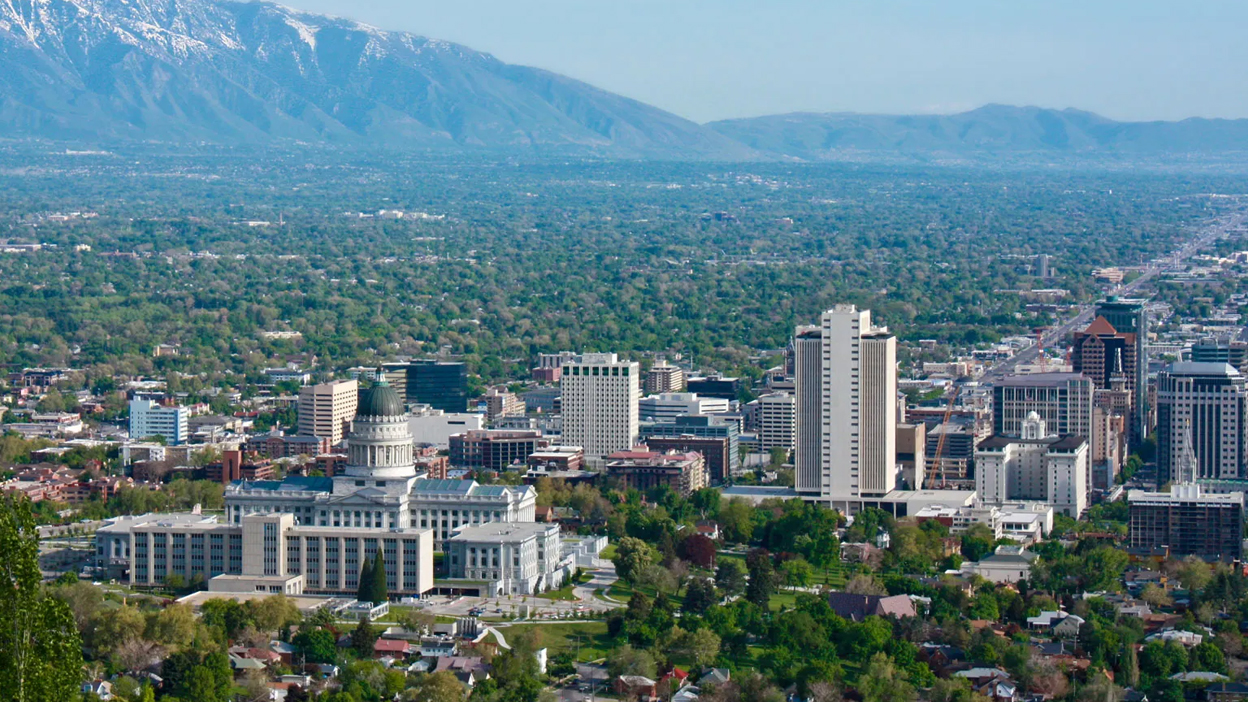
- Population Distribution and Environmental Risks: Most Utah residents live along the Wasatch Front, a corridor at the base of the Wasatch Range offering milder terrain, access to water resources, and urban infrastructure. Rural areas such as desert basins and plateaus remain sparsely populated. Environmental risks include wildfires particularly on dry plateaus and basins with fragile vegetation, as well as drought conditions that significantly impact water availability for daily living and agriculture.
Urban vs. Rural and Regional Living Patterns in Utah
Utah presents a stark contrast between high-density urban centers and vast rural areas, reflecting the state’s geographic variety.
- Urban Centers Along the Wasatch Front: Salt Lake City and its metropolitan area form the primary urban hub, featuring concentrated residential and commercial development. This region supports substantial suburban sprawl and benefits from robust infrastructure, including reliable utilities, transportation networks, and social services.
- Remote and Rural Regions: Beyond the Wasatch Front lie extensive rural and frontier zones such as the Great Basin, Uinta Basin, and Colorado Plateau. These areas are characterized by small towns with limited utilities, longer travel distances, and fewer services. Residents often rely on greater self-sufficiency for water, power, and road maintenance.
- Geographic Implications of Being Landlocked: Unlike coastal states, Utah’s landlocked geography includes high inland mountain ranges and deep desert basins. Without coastal climate moderation, weather and terrain create unique living challenges, including harsher winters and hotter summers in exposed inland zones.
- Infrastructure Disparities: Infrastructure quality varies widely: urban Wasatch Front areas enjoy continuous water, power, and road services. In rural parts, infrastructure can be sporadic or minimal, requiring residents to prepare for occasional shortages or delayed maintenance. Suburban growth near metropolitan hubs blends access to city amenities with mountain proximity, while rural lifestyles accommodate low-density housing amid expansive public lands.
Utah Cost of Living and Financial Considerations
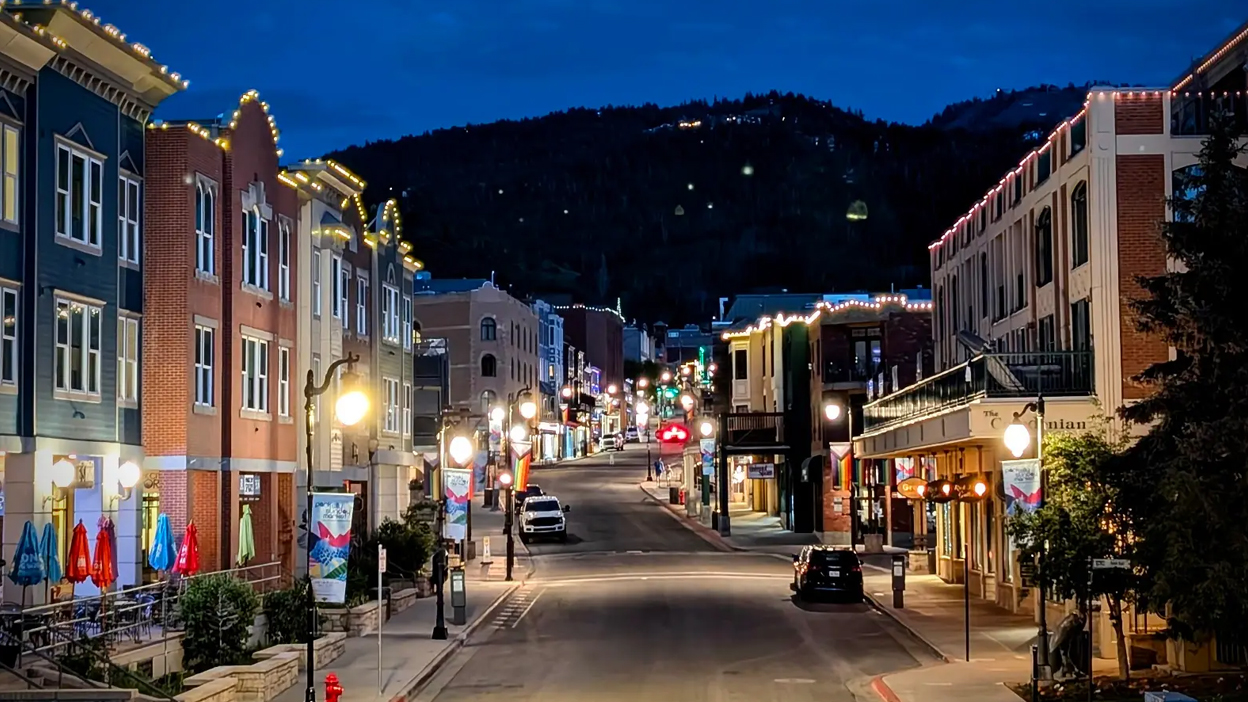
Understanding Utah’s cost of living is critical for assessing relocation feasibility.
Cultural, Social, and Lifestyle Norms in Utah’s Mountain West Lifestyle
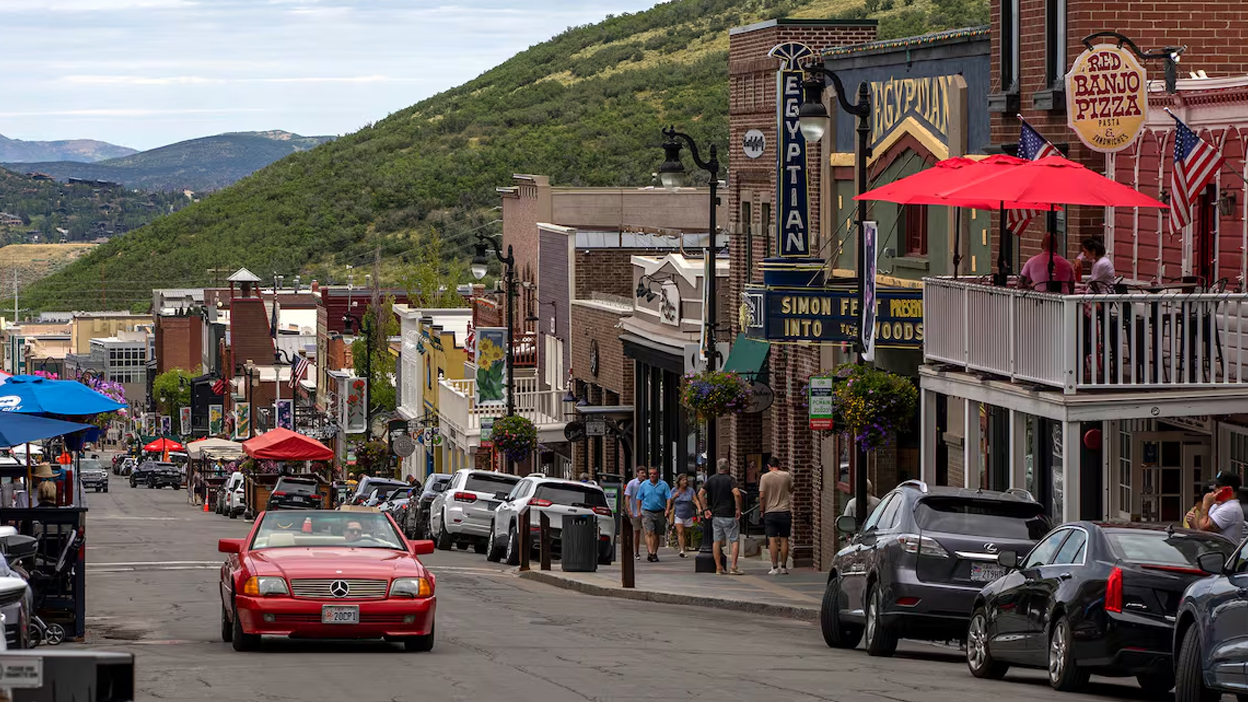
Understanding Utah’s culture helps frame what life statewide generally entails.
Demographic Overview
Utah experiences rapid population growth primarily in urban and suburban Wasatch Front areas with moderate racial and ethnic diversity. Outside metro regions, the population remains largely homogeneous.
Features of the Mountain West Lifestyle
This lifestyle is defined by:
- Strong emphasis on outdoor recreation activities including hiking, skiing, and mountain sports.
- A strong family orientation and community cohesion fostered by shared adaptation to rugged terrain.
- Emphasis on self-reliance amid environmental and infrastructural challenges.
Statewide culture prioritizes active living and engagement with nature over urban nightlife or extensive entertainment industries.
Taxes, Regulations, and Long-Term Planning Factors in Utah
Financial and regulatory frameworks shape relocation and development choices.
- Tax Structure: Residents are subject to state income tax, sales tax, and property taxes. These affect budgeting for living expenses and homeownership amid growth pressures.
- Insurance Considerations: Insurance policies must account for Utah’s wildfire zones, drought impact, and seismic activity. Specialized coverage is often required in risk-prone areas.
- Regulatory Environment: Zoning laws restrict development in flood-prone canyons and environmentally sensitive plateaus. Environmental regulations emphasize conservation and sustainable land use.
- Sustainable Development Policies: Utah encourages concentrating growth along existing infrastructure corridors to protect public lands. Over 70% of state land remains under public management or conservation, guiding long-term land use planning.
Who Utah Is Generally a Good Fit For
- Outdoor enthusiasts who value access to mountainous parks and extensive recreation opportunities.
- Families seeking suburban communities near mountains with access to urban amenities.
- Professionals working in technology, healthcare, mining, or outdoor recreation industries prevalent in the Mountain West economy.
- Individuals comfortable with semi-arid climates, seasonal weather extremes, and car-dependent living patterns.
- Those desiring a balance between urban convenience and proximity to rugged natural environments.
Who Should Research Further Before Moving to Utah
- Individuals with specialized careers outside dominant industries such as tech, mining, or healthcare.
- Families prioritizing education quality, given disparities between rural and urban school systems.
- Persons sensitive to environmental risks like wildfires, drought, or earthquakes.
- People relying heavily on extensive public transportation services outside metropolitan areas.
Prospective residents should explore in-depth regional infrastructure, services, and localized risks to ensure their needs align with available resources.
Conclusion
Understanding the broad geographic diversity, economic dynamics, climatic challenges, infrastructure variations, and cultural norms in Utah is essential before choosing where to settle within the state. This guide outlines the foundational things to know before moving to Utah, providing factual and objective insights to assist with informed decision-making.
By considering these statewide realities, prospective residents can better identify regions that fit their practical and lifestyle preferences, supporting detailed local research and tailored relocation planning. Moving to Utah offers a distinctive Mountain West lifestyle shaped by its unique landforms, economy, and community values—all requiring thoughtful evaluation before making the transition.