
Moving to Chicago is more than just relocating to a new address. When people ask what to expect when moving to Chicago, they are often thinking about how their life will change—not only in practical steps but also emotionally and socially. Moving to Chicago involves adapting to a large, diverse urban environment with its own pace, rhythms, and challenges.
Understanding what living in Chicago really means during the adjustment period is essential for newcomers. The city’s distinctive character stems largely from its large immigrant population—over 1.6 million foreign-born people in the metro area—making Chicago a hub of cultural diversity that shapes everyday experiences for residents old and new.
This guide explores the typical phases of adjustment newcomers face, offering a candid look at what to expect when moving to Chicago. It highlights the realities of coming to a bustling metropolis where first impressions often differ from expectations, daily routines take time to learn, new social ties form gradually, and emotional ups and downs are normal.
The First Weeks: Initial Impressions and Reality Checks in Chicago
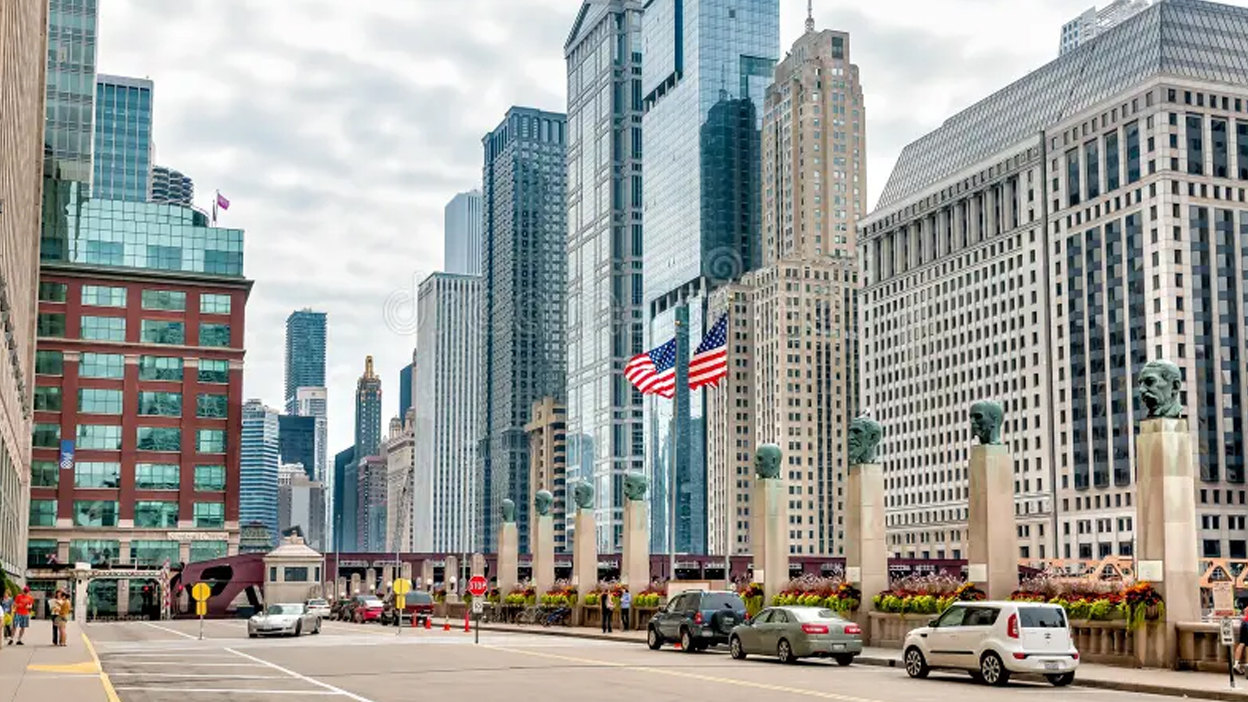
The first weeks after moving to Chicago tend to be marked by powerful sensory experiences and reality checks. New residents quickly notice the city’s fast-paced energy. The constant noise from traffic, trains, and the buzz of crowded streets creates an intense backdrop that can feel overwhelming.
One common surprise is Chicago’s ever-changing weather. Sudden swings from sun to wind or rain add to the feeling of unpredictability many newcomers describe. The city is also composed of many neighborhoods, each with its own personality, cultural makeup, and pulse. This diverse mosaic can be confusing at first, as navigating between distinct community areas reveals stark contrasts.
Chicago’s public transit system—CTA buses and trains—is another early hurdle. Figuring out the complex routes, schedules, and stops demands quick learning. This can add to the sense of disorientation among those unfamiliar with urban transit networks.
For international newcomers, extra challenges intensify the adjustment. Temporary stays in places like police stations or airports—used when shelters are full—can increase feelings of unfamiliarity and stress. These initial weeks highlight that what to expect when moving to Chicago is not just about settling physically but facing unexpected realities that require patience and flexibility.
The city’s foreign-born residents show diverse adjustment trajectories, influenced by employment, community access, and housing conditions. For international arrivals especially, who may initially live in temporary shelters, settleness may take longer to reach.
Understanding what to expect when moving to Chicago includes acknowledging that settling in happens in stages. People build their sense of home over time, often after months or more, shaped by their environment and personal circumstances.
What Helps the Transition Feel Easier When Living in Chicago
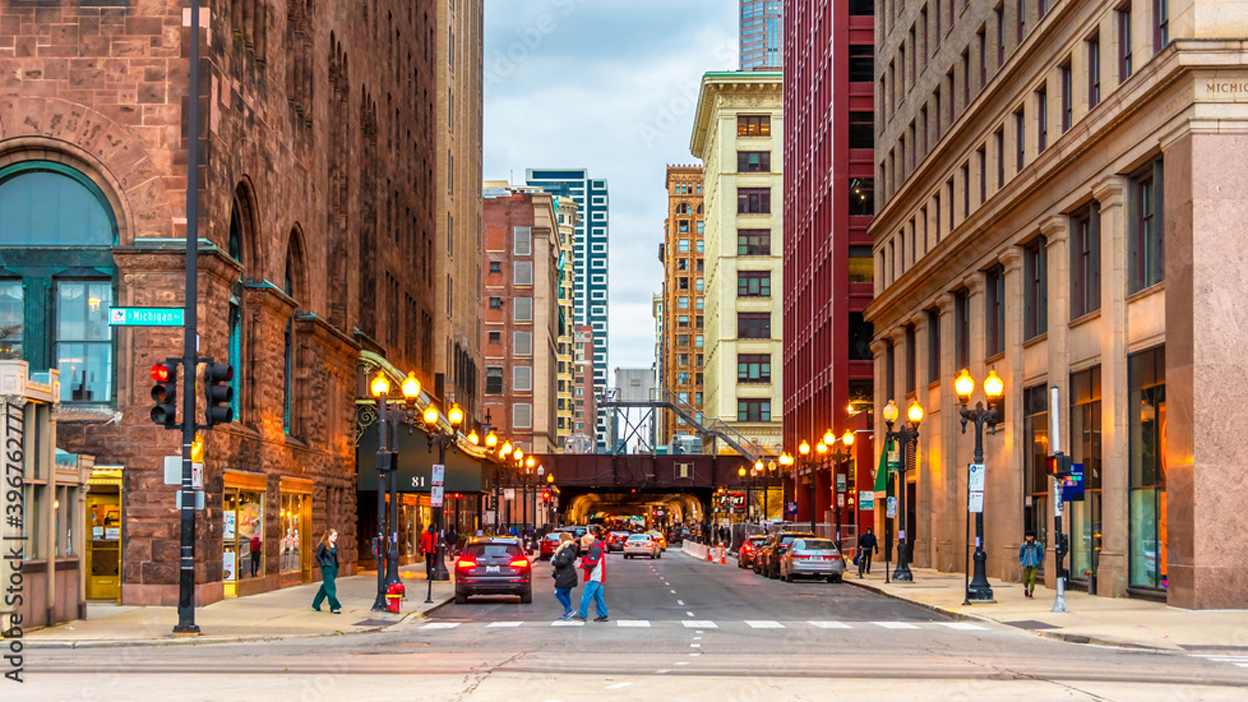
Certain mindsets and approaches can ease moving to Chicago and help residents adjust more comfortably. Patience is fundamental—recognizing that acclimating to a large city with diverse neighborhoods takes time without immediate solutions.
Flexibility also supports newcomers as they adapt to the city’s differing rhythms and cultures. Developing routines that fit personal pace, rather than rushing to “get settled,” allows gradual acclimation.
Chicago’s community diversity works as an organic buffer to adjustment challenges. The city’s immigrant populations show resilience, with many employed and engaged in local economies. This background provides subtle but effective support structures for new arrivals.
In sum, being open, patient, and steady encourages successful adaptation to the complex environment of living in Chicago.
Conclusion
Adjustment after moving to Chicago is a normal, highly personal experience shaped by the city’s vibrant immigrant fabric and urban intensity. Early feelings of unsettlement or disorientation are not signs of failure or poor choice but natural dynamics encountered by thousands of newcomers every year.
Understanding what to expect when moving to Chicago means preparing mentally for phases of sensory overload, social isolation, practical learning, emotional fluctuations, and gradual comfort-building. Recognizing these as typical helps ease worries and supports steady growth into the city’s diverse, fast-changing life.
By appreciating the unique social and cultural landscape and allowing time for adaptation, newcomers can navigate the adjustment period with greater realism and resilience—key steps toward making Chicago their new home.