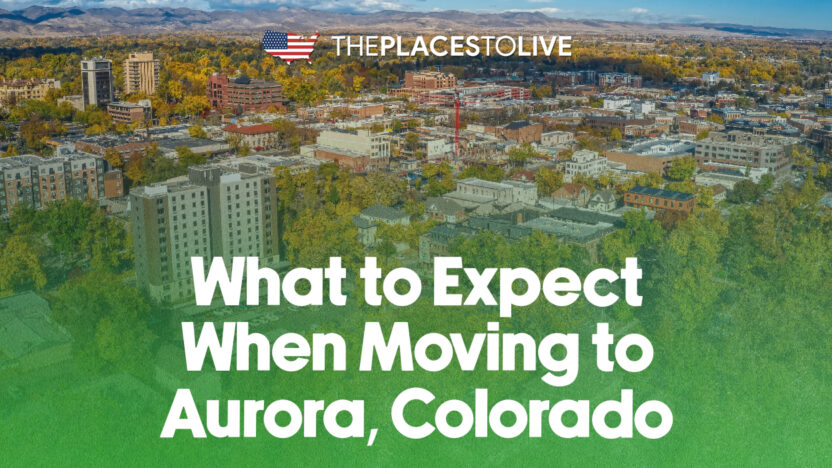
Moving to Aurora, CO, often means experiencing much more than just changing your address. What to expect when moving to Aurora involves adapting to its unique environment—both physical and cultural—that shapes daily living in this sprawling city.
Living in Aurora requires preparation beyond unpacking boxes. It calls for understanding the altitude, managing a sprawling suburban layout, and embracing a diverse community that blends urban amenities with open spaces. This guide will help you grasp these realities to make your moving to Aurora, CO transition smoother and more informed.
The First Weeks: Initial Impressions and Reality Checks After Moving to Aurora, CO
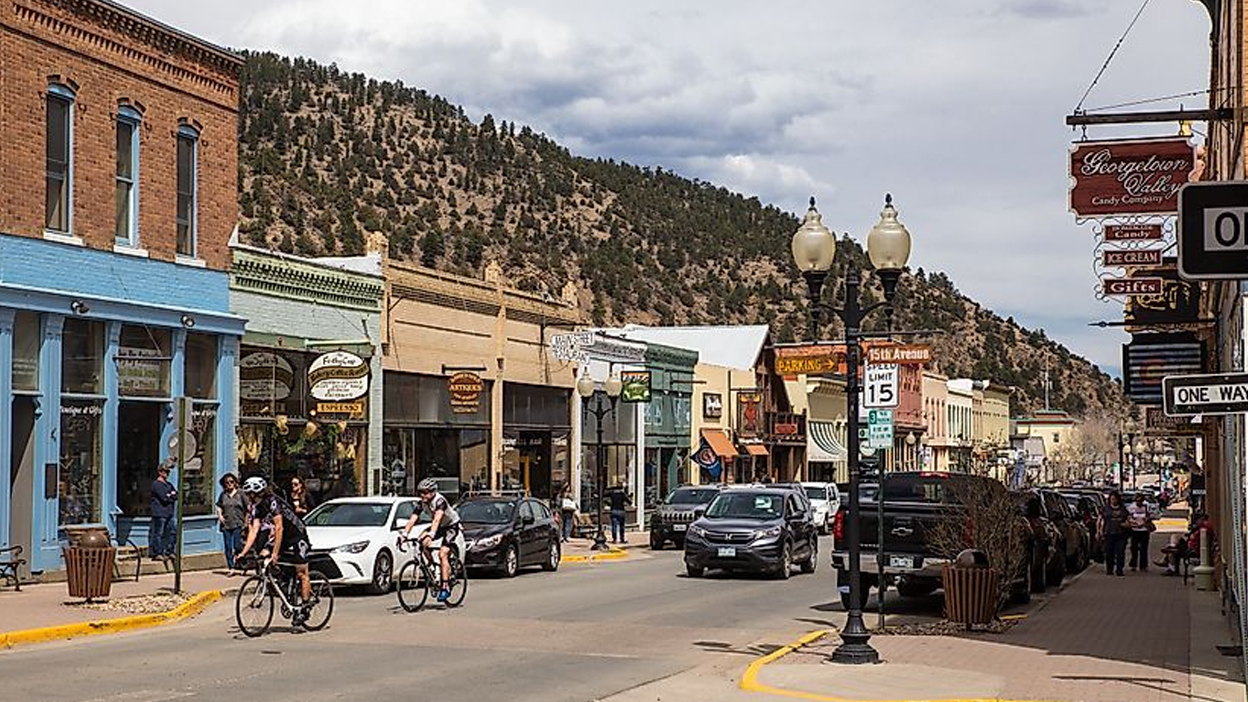
During the initial weeks of living in Aurora, newcomers often notice sharp contrasts in their surroundings. The pace here is quieter and more suburban than many expect. Unlike the downtown hustle of Denver nearby, Aurora spreads out with a suburban calm peppered by pockets of urban buzz, especially along corridors like Colfax Avenue or near the intersection of I-70 and I-225.
Ambient sounds are gentler: the rustle of the wind in open parks, distant traffic humming, and community life in family neighborhoods.
Another early surprise is the presence of extensive open spaces. Aurora boasts hundreds of miles of multi-use trails, parks, and natural areas, a feature that stands out immediately. However, newcomers sometimes find the layout sprawling and disorienting. Distances between residential areas, shopping centers, and recreational spots can feel long, creating an unusual mix of quiet and spread-out living for a city of its size.
Traffic patterns add another layer of unexpected reality. Despite Aurora’s large population, road congestion remains surprisingly light for many routes, especially outside rush hours. But this can give a false sense of travel ease because car travel is essential. Most errands and day-to-day activities require driving unless you live in one of the modest walkable neighborhoods primarily close to main commercial strips.
Aurora’s cultural environment also introduces new layers to daily experience. The city is home to residents from over 140 countries, creating a rich, multicultural mosaic that influences everything from local shops and restaurants to community events and school activities. This diversity blends with the suburban atmosphere, creating a unique mix of “old-fashioned” neighborhood friendliness and global cultural influences.
In summary, what to expect when moving to Aurora starts with adjusting to its peaceful yet expansive suburban character, its multicultural population, and practical realities like car reliance and neighborhood layout.
Adjusting to Daily Routines When Living in Aurora
Life in Aurora soon becomes a dance of reshaping everyday routines. The city’s car-centric infrastructure plays a central role in this adjustment. Commuting and getting around primarily depend on major highways such as I-70, I-225, and the E-470 toll roads. These arteries connect residents to Denver’s urban core, suburban neighborhoods, and neighboring cities.
While the Regional Transportation District (RTD) light rail serves some parts of Aurora, it covers only a fraction of the city’s vast expanse, making driving more practical for most.
Broadly, settling in moves from early bewilderment in Aurora’s sprawling cityscape to an increasing sense of “home” as familiarity grows. Activities like routine shopping trips, finding favorite outdoor spots, and establishing friendships help anchor daily life.
Aurora’s ongoing suburban expansion adds a dynamic element that can prolong adjustment. As new developments emerge, residents frequently discover new areas, services, and social opportunities, extending the settling-in phase.
Overall, living in Aurora means embracing an evolving process where individual pace varies but invariably leads to comfort and rootedness over time.
What Helps the Transition Feel Easier When Moving to Aurora, CO
Several strategies can ease the transition to living in Aurora. Setting consistent daily routines early makes a significant difference. Planning commutes primarily on well-known highways like I-225 and mapping errand trips around established shopping centers reduce uncertainty.
Spending time outdoors at local natural attractions such as Aurora Reservoir accelerates acclimation to Aurora’s active lifestyle and natural beauty. Familiarity with service hubs also redeems the initially sprawling feel.
Patience is key, especially in adjusting to altitude changes and the reality of suburban sprawl. Setting realistic expectations about Aurora’s lifestyle—as a more affordable, spacious alternative to Denver’s urban density—helps align mindset with environment.
Socially, engaging proactively in community events or outdoor recreation groups fosters early connection building. Choosing walkable neighborhoods or those with family-friendly amenities encourages interaction.
New residents should leverage city-provided resources, including relocation offices, orientation materials, and community calendars, to gain insight and support.
Finally, embracing openness to Aurora’s diversity and family-oriented culture nurtures comfort and belonging, making it easier to feel at home.
Conclusion
Feeling unsettled during the first months after moving to Aurora, CO, is a natural and expected part of relocation. This emotional and practical adjustment reflects the city’s unique blend of expanding suburban growth, varied community influences, and proximity to a major urban hub.
Such experiences do not signal a mistake in relocating or flaws in personal resilience. Instead, they represent a personal journey through an environment characterized by wide-open spaces, cultural diversity, and abundant outdoor opportunities.
By approaching this phase with patience and openness, newcomers can gradually enjoy Aurora’s offerings—from its extensive trail systems and parks to vibrant neighborhoods and the evolving community spirit.
What to expect when moving to Aurora involves challenges and rewards that together shape a distinctive, evolving lifestyle within Colorado’s dynamic front range region.