Moving to San Antonio is more than just packing up boxes and changing addresses. It’s an emotional and practical transition, often stirring unexpected feelings. You might find yourself keenly aware of what you left behind. Navigating the city’s streets can produce early frustrations, as familiar routines give way to new realities. Understanding what to expect when moving to San Antonio is key to managing these shifts smoothly.
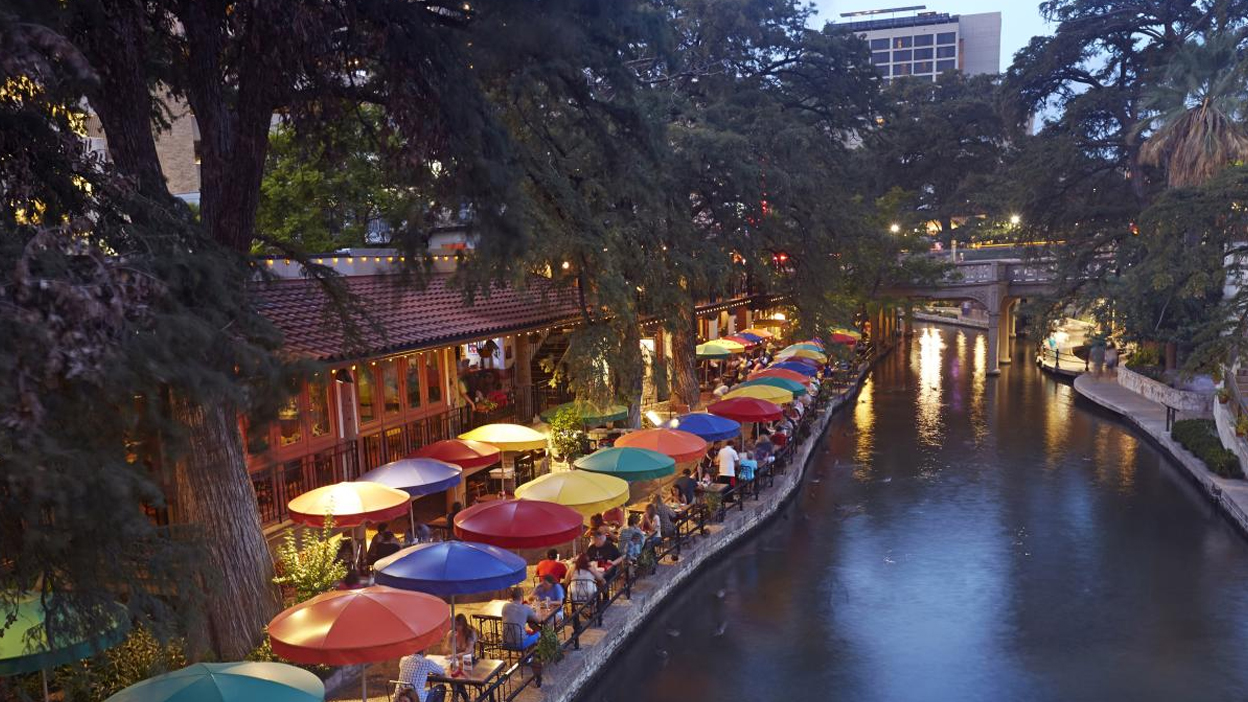
The adjustment period after arriving in San Antonio is just as important as the physical move. Many newcomers enter a honeymoon phase lasting from one to four weeks, fueled by excitement from exploring highlights like the River Walk or the vibrant Pearl District. However, after this initial period, the realities of daily life set in, and a new rhythm begins to emerge. This guide aims to detail that process, providing valuable insights on living in San Antonio and how to adapt confidently.
The First Weeks: Initial Impressions and Reality Checks
Early days in San Antonio come with keen sensory impressions. Compared to more densely urban areas, San Antonio often unfolds at a slower city pace. The summer heat can feel relentless, with sidewalks downtown turning into what locals describe as a “convection oven.” One day might invite relaxing at the pool, and the next could surprise you with a sudden hailstorm. This rapid weather variability is a hallmark novices quickly learn.
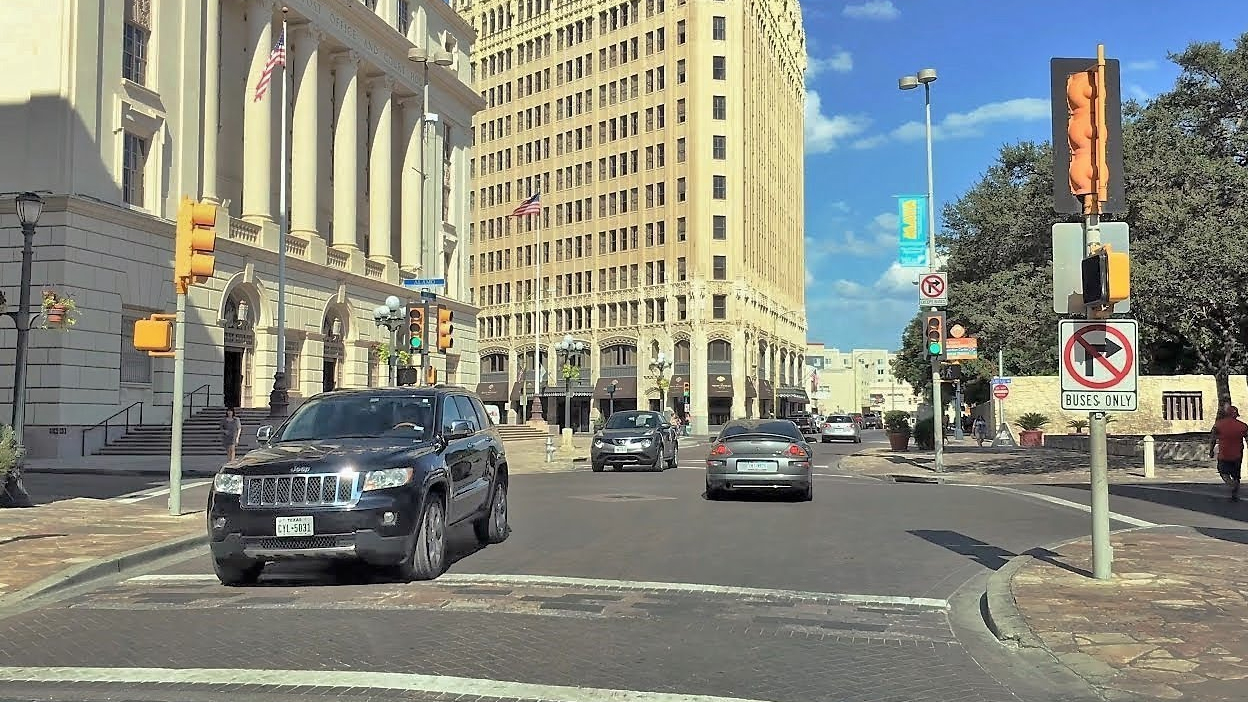
Traffic congestion is another reality check. Construction projects frequently snarl highways and side roads, intensifying rush hour slowdowns. The limited public transportation means reliance on personal vehicles is almost unavoidable. San Antonio’s vast spatial layout stretches distances widely between neighborhoods, making errands and commutes seem longer than expected.
Beyond the obvious, some subtler aspects might initially confuse. The city’s culture blends a strong Hispanic heritage with Texas traditions, visible in community events, local cuisine, and everyday customs. Newcomers might experience seasonal allergy increases, as air quality fluctuates during pollen-heavy months. Another surprise can be uneven trash buildup in pockets of neighborhoods, something not commonly encountered before.
Knowing what to expect in San Antonio at this stage helps calibrate expectations and supports smoother navigation through early challenges.
While moving to San Antonio can trigger overwhelming moments, staying aware of these realities lays groundwork for successful adjustment.
Adjusting to Daily Routines
Living in San Antonio requires adapting to specific commuting norms. Traffic can be heavy during rush hours, and local driving tends to include sudden and aggressive lane changes. Construction delays often complicate travel times further. Given the limited bus routes, having a private car is nearly an essential part of everyday life.
- 1-4 weeks: Honeymoon novelty, filled with exploration and excitement.
- 1-3 months: Reality confrontations, dealing with practical challenges and cultural adjustments.
- 3-9 months: Establishing routines and forming social connections, reducing friction.
- 9-18 months: Fuller integration, where favorite spots emerge, and deeper community ties develop.
Factors influencing this timeline include how quickly one expands job networks and adapts to housing arrangements. Each newcomer’s journey through moving to San Antonio will differ but expectations anchored in these phases help.
This gradual progression in living in San Antonio allows space for steady adjustment without pressure for immediate belonging or mastery.
What Helps the Transition Feel Easier
Certain approaches can soften the transition and speed up adjustment:
- Consistent daily routines foster familiarity with one’s environment. Over three to nine months, these routines minimize mental fatigue and anchor the newcomer’s experience.
- Cultivating patience is key. Adapting involves managing intense heat, coping with traffic congestion, and bridging cultural differences. Patience foils frustration and sustains motivation.
- Setting realistic expectations before or just after arrival prevents shocks. Knowing about the variability of school zones, anticipating intermittent construction, or expecting seasonal allergy impacts builds preparedness.
- Mindful social integration involves thoughtful self-disclosure and gradual engagement in digital neighborhood forums and social groups. This allows relationship building without the pressure of rapid attachment.
Applying these strategies supports a smoother journey toward confident living in San Antonio and helps newcomers fully appreciate the city’s dynamic character during the adjustment period.
Conclusion
Feeling unsettled during a move to San Antonio is a natural and expected part of the process. The transition unfolds from an initial honeymoon phase to gradual integration over nine to eighteen months. Along the way, challenges with heat, traffic, and the city’s cultural blend may test patience.
However, these experiences do not signify a mistake in choosing to move or live in San Antonio. Instead, they reflect the common phases every newcomer encounters. Recognizing and accepting this progression fosters compassion toward oneself, which is crucial for adapting well.
Understanding what to expect when moving to San Antonio supports emotional resilience and practical adjustment, paving the way for a successful and fulfilling experience living in San Antonio.