
Moving to Atlanta involves more than just planning logistics and packing boxes. Understanding what to expect when moving to Atlanta means preparing for both the practical steps before arrival and the emotional, day-to-day adjustment after settling in. Even with careful pre-move research, newcomers often find that their actual experience living in Atlanta includes surprises and challenges that don’t show up in typical guidebooks or online forums.
This initial transition phase is crucial. It goes beyond arranging housing, setting up utilities, or navigating city services. It’s the real process through which new residents begin to develop true familiarity and comfort with Atlanta’s unique rhythm, spreading neighborhoods, and social landscape. In this guide, we directly address the various phases and realities newcomers face when moving to Atlanta, helping you anticipate and navigate your first months more smoothly.
The First Weeks: Initial Impressions and Reality Checks in Atlanta
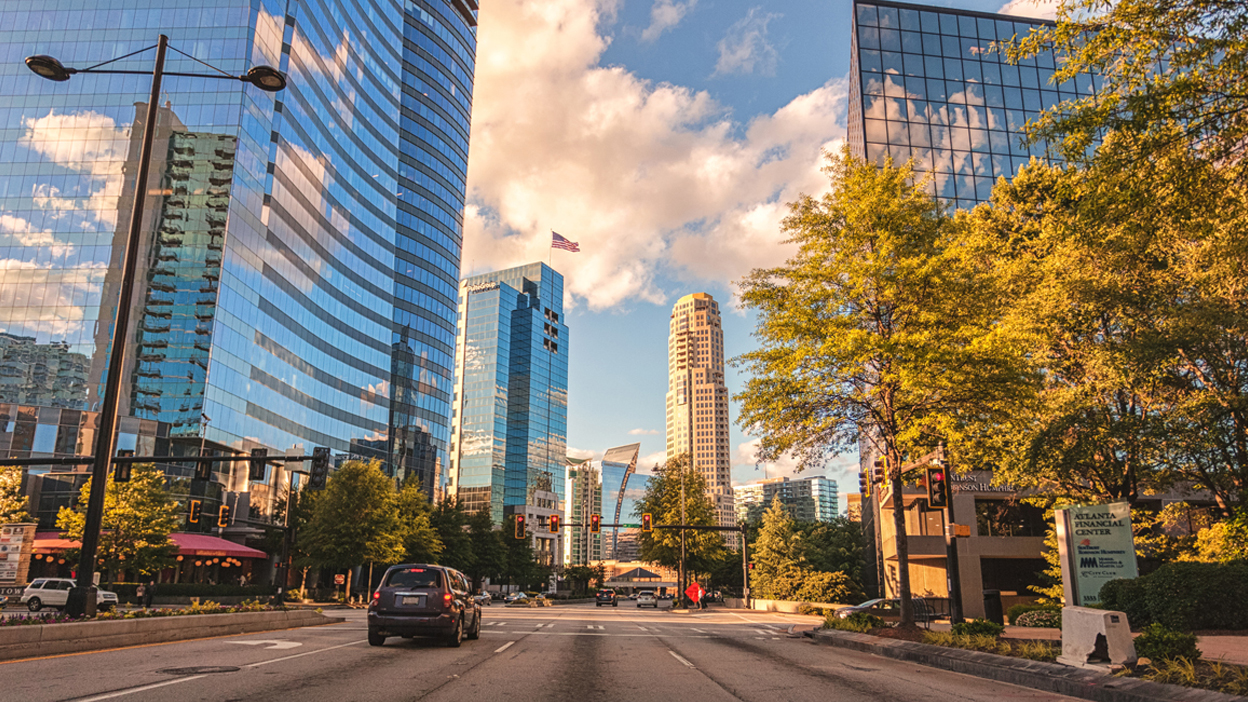
Upon arrival, the sensory experience of living in Atlanta can differ sharply from expectations. One pervasive feature that many newcomers notice immediately is the city’s car-centric infrastructure. Atlanta’s urban sprawl means that sprawling highways and wide roads dominate, and traffic congestion is a defining characteristic of daily life. This car dependence contrasts with more compact cities or those with extensive transit networks.
This traffic reality shapes everything, from quick errands to longer commutes, and can feel overwhelming rather than convenient during the first few weeks of living in Atlanta.
Another noticeable aspect is the variation in neighborhood atmospheres. Atlanta’s micro-areas often differ dramatically even within a few blocks. For example, Midtown exudes a lively, bustling energy with more walkability and nightlife, while West Midtown offers a blend of industrial chic and emerging retail spaces. Buckhead presents a more upscale, quieter vibe with different parking and social dynamics. It can take time to adjust and understand these shifts—noise levels, availability of parking, community character—all of which impact daily experiences in Atlanta.
Additionally, newcomers frequently experience moments of surprise when trying to get a sense of the city’s layout. The Beltline trail system—a multi-use network of walking and biking paths circling parts of the city—may initially feel confusing. This network serves as Atlanta’s evolving connective tissue but is still growing and changing rapidly. Alongside the Beltline, newly expanded protected bike lanes and pedestrian paths aim to give alternative transportation options, though familiarity with these is something that develops over time.
Major redevelopment projects like Centennial Yards and The Forge symbolize Atlanta’s ongoing transformation but can create a sense of instability or disorientation during those first weeks. Neighborhoods might feel like they are in flux, with new buildings rising and streetscapes changing, which requires patience as you orient yourself.
Adjusting to Daily Routines in Atlanta
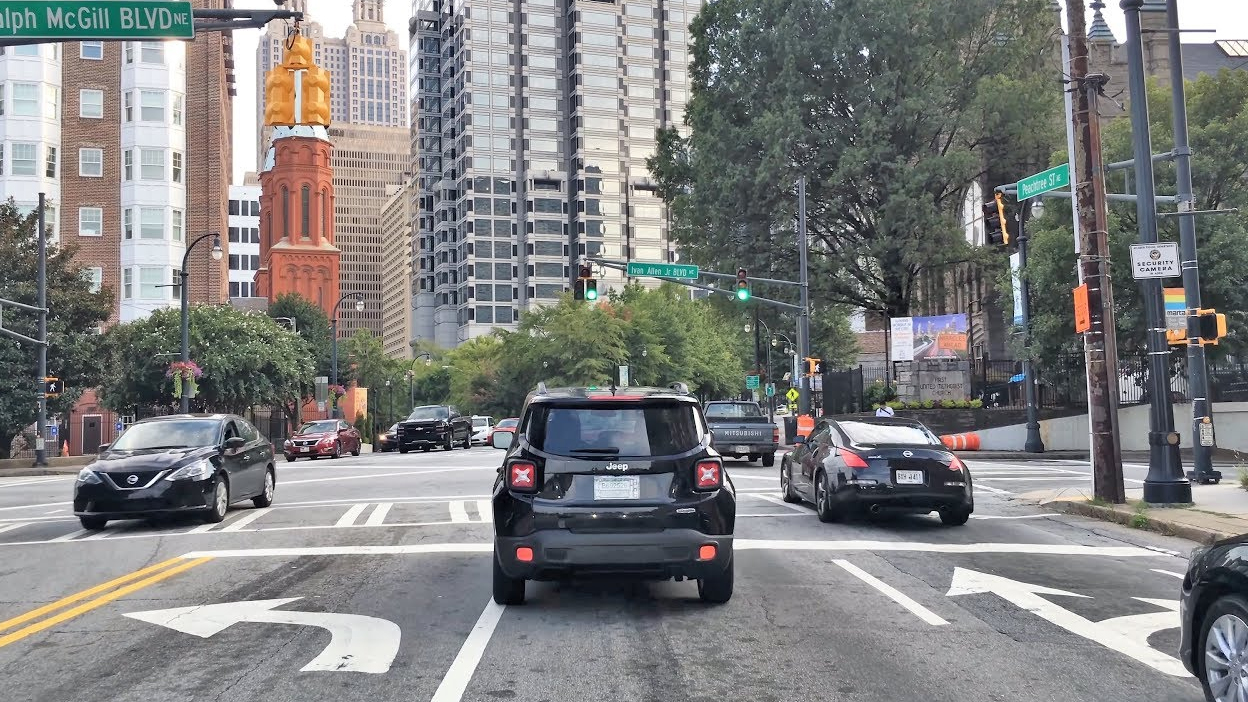
One of the biggest areas where many moving to Atlanta face adjustment is in shaping their daily routines around commuting and errands. While Atlanta has a public transportation system—including MARTA trains and buses, as well as an urban streetcar—many residents still depend heavily on cars. Traffic congestion, especially during rush hours, often complicates what might be a simple commute in other cities.
Social and emotional comfort emerges more gradually, sometimes taking several months. Experiences vary: some feel meaningfully settled within two months, while others describe a gradual unfolding of comfort over the first year. Factors influencing the timing include prior experience living in urban areas, neighborhood choice, temperament, and social opportunities.
Fortunately, Atlanta’s recent expansion of amenities and infrastructure—such as the Beltline and mixed-use developments—can accelerate this process by providing accessible venues for recurring visits and social gatherings.
What Helps the Transition to Atlanta Feel Easier
Establishing consistent routines early on provides vital anchors of familiarity. Finding and returning regularly to your neighborhood coffee shop, taking the same walking or jogging routes, and settling into predictable commute patterns create a reassuring rhythm amid change.
Strategic patience is equally important. Reframing mistakes, confusion, or unexpected challenges as temporary learning experiences helps reduce frustration. Understanding that initial disorientation is normal and diminishes over time supports emotional well-being.
Setting realistic expectations about what living in Atlanta entails also aids adjustment. Accepting that pre-move research cannot fully capture Atlanta’s distinctive traffic patterns, neighborhood nuances, or social dynamics prevents the disappointment that arises when reality differs from online portrayals.
Focusing exploration on your immediate neighborhood—mapping parks, shops, and community spaces within walking distance—builds a secure sense of competence and belonging. Rather than overwhelming yourself trying to know the entire city right away, creating a strong local base forms a stable foundation from which to expand.
Finally, taking advantage of Atlanta’s expanded pedestrian and bike infrastructure, like the Beltline trails and protected bike lanes, provides practical alternatives for discovering the city. These options reduce reliance on car travel and help newcomers build spatial and social familiarity gradually.
Conclusion
Feeling unsettled after moving to Atlanta is common and temporary. This transitional phase represents a natural adaptation process rather than a judgment on your decision or compatibility with the city.
Initial challenges—grappling with traffic, unfamiliar neighborhoods, emotional fluctuations—are typical experiences faced by the vast majority who relocate to Atlanta. They do not determine future happiness or sense of belonging.
Patience, realistic expectations, and active engagement with your surroundings and community help these early difficulties pass. Over time, consistent routines and repeated positive social experiences foster growing confidence and genuine comfort.
Each person’s adjustment timeline and strategies are unique, but the discomfort of early days recedes as familiarity and routine strengthen. What begins as a city of unknowns gradually becomes a place where you feel settled, connected, and at home in Atlanta.