
Relocating to Arizona is rarely an instant transformation. Instead, it is a gradual unfolding—an experience shaped by shifting daily rhythms, evolving moods, and quiet connections that deepen over weeks and months. If you find yourself wondering what to expect when moving to Arizona, the answer lies less in immediate logistics and more in the subtle ways life begins to feel different in this vast desert state. Here, the expansive openness, the persistent warmth, and a gently altered sense of financial ease blend to reshape everyday existence in ways that many only notice after settling in.
The distinct environment of Arizona—its broad horizons, sun-bleached landscapes, and enduring heat—forms the backdrop to this ongoing process. The state’s characteristic warmth softens time itself, while the slower pulse of life invites you to acclimate beyond the surface. Moving to Arizona means stepping into a place where the external environment harmonizes with inner rhythms, crafting a lived experience that evolves quietly but noticeably.
How Daily Life Begins to Feel Different
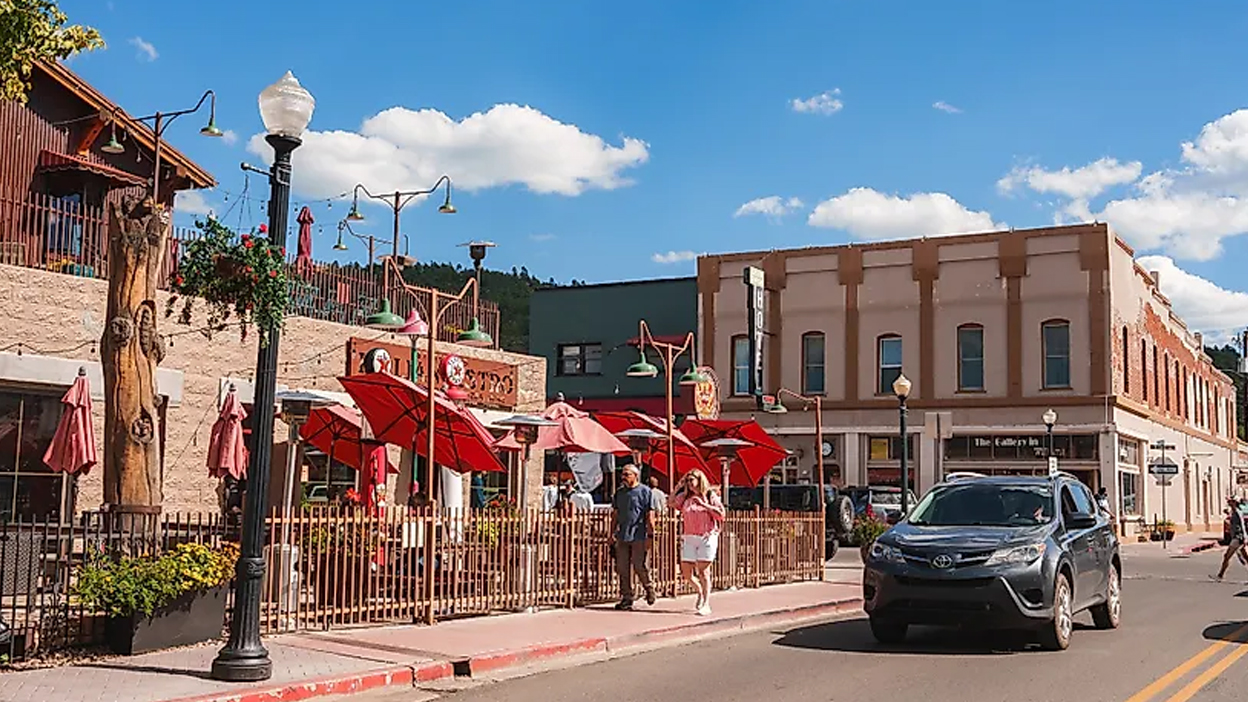
One of the first shifts newcomers encounter involves the tempo of their daily life. The vast spaces and relentless sun coax a slower, more deliberate pace. Days stretch out amid the open landscapes, where time both expands and condenses, shaped by the interplay of heat and horizon.
Living in Arizona often means embracing mornings that arrive cool and calm, moments rich with stillness before the sun climbs high. These early hours are favored naturally, a time when outdoor routines feel comfortable and reflective. Come midday, the relentless Arizona heat invites a broad pause. Rather than powering through, many find themselves entering a natural lull—quiet moments indoors or in shaded retreats—where energy conserves and focus softens. This heat-induced stillness isn’t a hardship but a rhythm to be respected, a daily winding down that feels deliberate and grounding.
As the afternoon fades, evenings reclaim vitality. The shortening daylight in winter nudges routines towards earlier wind-downs, aligning life to the subtle clock of sunset around 5 or 6 PM. This earlier close to the day invites a calmness, social moments shared in cooler air, and a folding back of energy in gentle waves.
Over several weeks of living in Arizona, these small shifts—quieter mornings, paced afternoons, serene evenings—compose a new daily rhythm. Time loses its hurry, allowing a slower presence to emerge. Energy-conscious habits take root, with many finding themselves naturally reducing electricity use at peak heat, fostering a consciousness that blends economy with environment. This adaptation not only reflects physical comfort but weaves a reflective tempo into everyday living.
Regional Differences Within the State
Arizona’s vastness is not only measured in miles but in climate and lifestyle contrasts that shape daily experience in varied ways. The southern desert plains are suffused with an intense, steady warmth that softens daily energy and guides life indoors or under shade in the peak sun hours. Here, the rhythm pulses gently, with mornings and evenings offering the most vibrant windows. The quiet spread of desert space encourages solitude, or discreet social ties clustered in neighborhoods and shaded communal spots.
Travel north, and the landscape alters both visually and in pace. The mountainous regions unfold cooler temperatures and more variable seasons, steeped in pine scents and crisp air. This zone invites year-round outdoor living—hiking, skiing, or simply basking in the shifting light cycles. The northern elevation reveals a brisker, more dynamic tempo that contrasts with the slower southern heat, inviting its own form of mindful activity.
For those moving to Arizona, social integration is an ongoing journey of discovery—layers of connection deepening as familiarity grows with place and people. The landscape of relationships is vast and open, waiting for patient tending rather than rushed sowing.
Who Tends to Adapt Comfortably
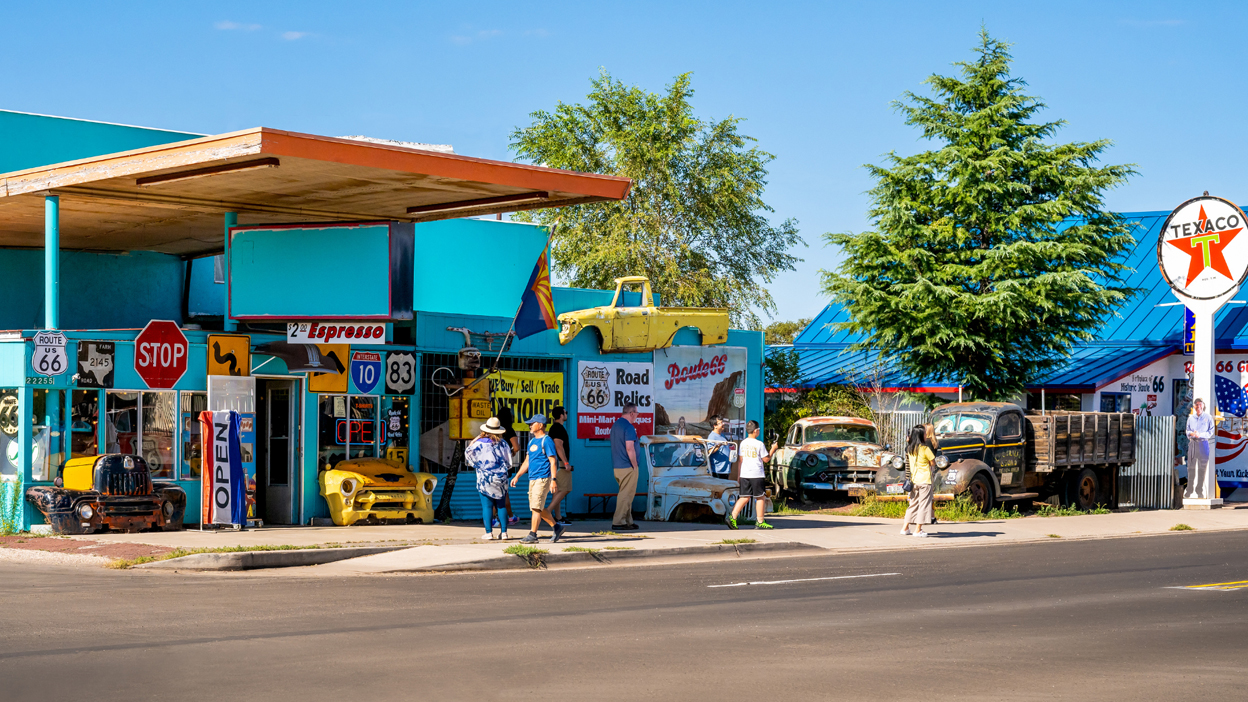
Those who find comfort amidst Arizona’s rhythms often share a fundamental harmony with its pace and space. People who cherish wide open landscapes, whose days flex with natural light and who navigate life with an appreciation for heat rhythms tend to settle with ease. Outdoor enthusiasts, remote workers, and individuals with reflective personalities often feel their days align naturally with the state’s distinctive flow.
Adaptability and a deliberate lifestyle nurture this harmony. Embracing the slowed daily tempo, the expansive personal space, and the reframed social patterns allows a lifestyle that flourishes on intent and presence. These elements resonate with an underlying backdrop of Arizona cost of living factors—such as notably lower property taxes and modest healthcare costs—that ease expansive living without dominating day-to-day thought.
In this way, living in Arizona becomes less about overcoming environment and more about syncing with it—embracing freedom not only in space but in time and energy.
Who May Need More Adjustment Time
Adjustment can come more slowly for those arriving from densely populated urban environments, colder or more variable climates, or fast-paced social scenes. For these individuals, the demands of car-dependent life, the pervasive Arizona heat, and the softened social immediacy may initially feel disorienting.
The slower tempo and deliberate planning that characterize daily mobility can at first seem restrictive—a recalibration away from spontaneity toward intention. Sensory experiences such as managing higher utility needs during relentless summers or navigating subtly elevated everyday expenses add layers to this adjustment, felt rather than openly counted.
This slower arrival at ease is not a struggle but a phase of transition. Over time, with openness and patience, what once felt foreign often folds into new patterns of belonging tailored by circumstance and choice.
Conclusion
So, what to expect when moving to Arizona transcends the moment of arrival—it is a patient, evolving relationship with the state’s unique interplay of climate, space, and social rhythms. The persistent Arizona heat, broad expanses, longer travel distances, and subtle seasonal shifts collectively reshape experience, inviting slower, more reflective daily flows.
Living in Arizona calls for curiosity and openness—a willingness to watch and listen as the environment and communities reveal their quiet character. The measured Arizona cost of living backdrop softens financial pressure, supporting a deliberate and sunlit approach to life. By embracing this unfolding process, newcomers find in Arizona a landscape not only of terrain but of time—an environment that slowly teaches new rhythms of being.