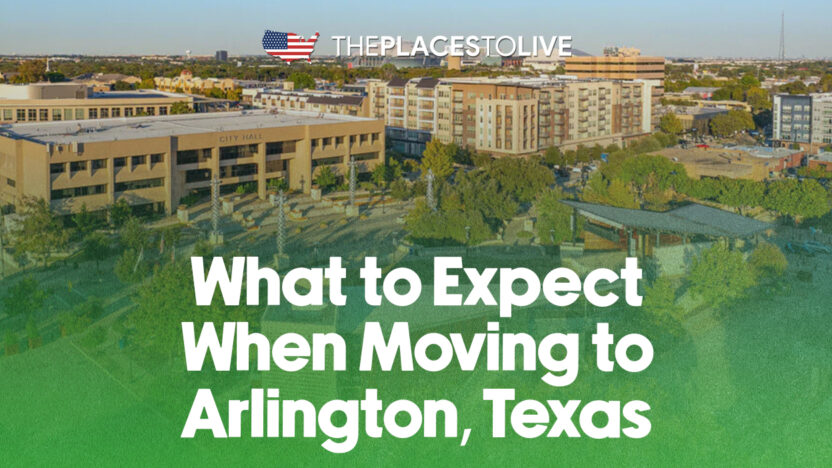
Moving to Arlington, TX, introduces you to a city that blends suburban calm, family-oriented neighborhoods, and easy access to major Texan landmarks like AT&T Stadium and Globe Life Field. Many people considering moving to Arlington TX anticipate a certain pace of life but discover the city’s rhythm is uniquely shaped by its mix of master-planned resort-style communities such as Viridian alongside well-established park-like neighborhoods like Dalworthington Gardens.
What often stands out most is not just the move itself, but the adjustment period after arrival. This phase—learning neighborhood layouts, appreciating expansive green spaces, and adapting to everyday local flows—profoundly affects the experience of living in Arlington. This blog explores what to expect when moving to Arlington by focusing on practical aspects without fluff, helping you navigate the initial period with clear insights.
The First Weeks: Initial Impressions and Reality Checks
One of the first things newcomers notice when moving to Arlington TX is the change in sensory environment. Low-density enclaves like Dalworthington Gardens offer quieter ambiances, marked by rustling trees and minimal traffic noise, quite different from the busier sounds of the North Arlington area near stadiums. This auditory contrast highlights the city’s suburban fabric, where calm neighborhoods sit side-by-side with vibrant event zones.
Arlington embraces a measured suburban pace. Communities like Viridian feature abundant open green spaces with lakes and walking trails, inviting outdoor activity and a slower lifestyle. Southwest Arlington also contains nature preserves contributing to a pervasive sense of natural calm uncommon in many cities.
Surprises can arise when adjusting to the uniform architectural style in areas such as Sublett, known for its mid-20th-century homes, or the subtly private yet inviting feel of neighborhoods like Southland Acres. New residents often find it challenging at first to distinguish between family-focused residential zones and entertainment districts, which have differing rhythms and uses.
Other early adjustments include dealing with variable Texas weather, as heat and humidity levels shift more rapidly than some expect. The sprawling layout of neighborhoods, with wide streets and intermittent commercial pockets, differs markedly from more compact urban settings. Arlington’s diverse population adds subtle cultural nuances, offering a blend of backgrounds that shape local customs and interactions.
Transport patterns also require acclimating. Car dependency is prominent, with highways I-20 and I-30 serving as the main arteries for commuting and leisure travel. New residents must adapt to this flow of life where driving is integral to daily mobility.
Adjusting to Daily Routines
Transitioning to everyday routines while living in Arlington involves facing the city’s traffic and commuting habits. Highway reliance contrasts with prior experiences that may have involved walkable neighborhoods or robust public transit. I-20 and I-30 corridors naturally become central to navigating work, social, and shopping destinations.
How Long It Usually Takes to Feel Settled
Settling into Arlington is a fluid process without a fixed endpoint. The timeline depends largely on individual factors such as choice of neighborhood, past urban exposure, and family composition.
Feeling “at home” develops through immersion in neighborhood lifestyles—engaging regularly with local green spaces, participating in community events, and adapting to the car-centric flow along Interstate highways.
While some find quicker comfort in places offering abundant amenities like Viridian, others experience a steadier, more gradual adjustment in established districts of North or Southwest Arlington.
This variability highlights Arlington’s diverse residential profiles, emphasizing that settling is an experiential journey shaped by personal context rather than a universal standard.
What Helps the Transition Feel Easier
Successful transition strategies include establishing flexible daily routines centered around Arlington’s local perks. Regular activities like hiking in River Legacy Parks or fishing and lakeside walking in West Arlington ground newcomers in the city’s natural offerings.
Patience is essential when dealing with suburban sprawl and associated car dependence. Accepting that driving is a primary mode of movement rather than expecting walkability helps align expectations with reality.
Observing and respecting local rhythms is particularly helpful. Noting Dalworthington Gardens’ tranquil environment, Mayfield Meadows’ family-focused vibe, and Southland Acres’ balanced suburban accessibility aids newcomers in setting practical, realistic goals around social and logistical integration.
An open attitude toward Arlington’s mix of peace, greenery, and entertainment fosters smoother adaptation. Embracing the city’s unique character instead of relying on rigid relocation checklists encourages positive connection and personal growth.
Conclusion
What to expect when moving to Arlington involves recognizing the city’s adjustment period as a natural, individualized experience shaped by its distinct neighborhood landscapes—from upscale resort-like lakeside communities to deeply family-oriented suburbs.
Initial feelings of being unsettled or unsure are common and do not imply a wrong move or personal shortcoming. Instead, they reflect the process of adapting to Arlington’s suburban essence and diverse local profiles.
By practicing patience, maintaining openness, and gradually immersing oneself in Arlington’s parks, social interactions, and daily routine flows, newcomers can cultivate an evolving and satisfying living experience.
Living in Arlington can become a rewarding chapter marked by balance between tranquil residential life and proximity to vibrant Texan culture—all unfolding naturally with time and engagement.