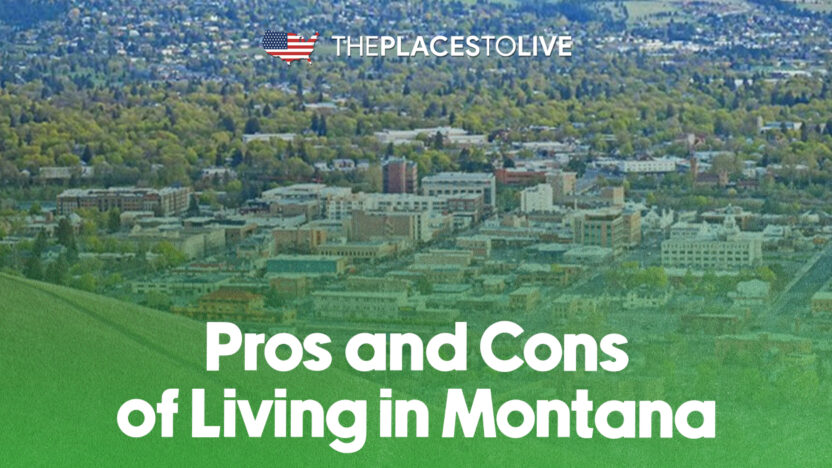
Montana is more than just a place on a map; it is an experience shaped by vast geography, diverse climates, and unique community rhythms. As the fourth-largest state in the U.S. by land area, Montana stretches across elevations from around 1,800 feet to towering peaks above 12,800 feet. This immense scale means life here varies widely depending on where you find yourself.
One of the most defining features of Montana’s geography is the Continental Divide, which runs north-south through the western part of the state. This natural barrier creates two distinct climate zones: a milder, wetter west side with longer growing seasons, and a more arid, sometimes extreme eastern plains region. Understanding these geographic and climatic patterns is key to grasping how living in Montana affects daily routines, mobility, social life, and lifestyle choices. From the mountain hamlets to the bigger towns and cities, each region offers unique advantages and challenges shaped by this landscape.
This post dives into the pros and cons of living in Montana, focusing on how these natural factors influence the everyday lived experience rather than on rankings or statistics. We’ll explore how the state’s geography shapes not only the environment but also its social and cultural fabric, inviting readers to consider what life here might truly feel like.
The Main Advantages of Living Here: Nature, Pace, and Culture
Wide Open Landscapes and Mountain Access
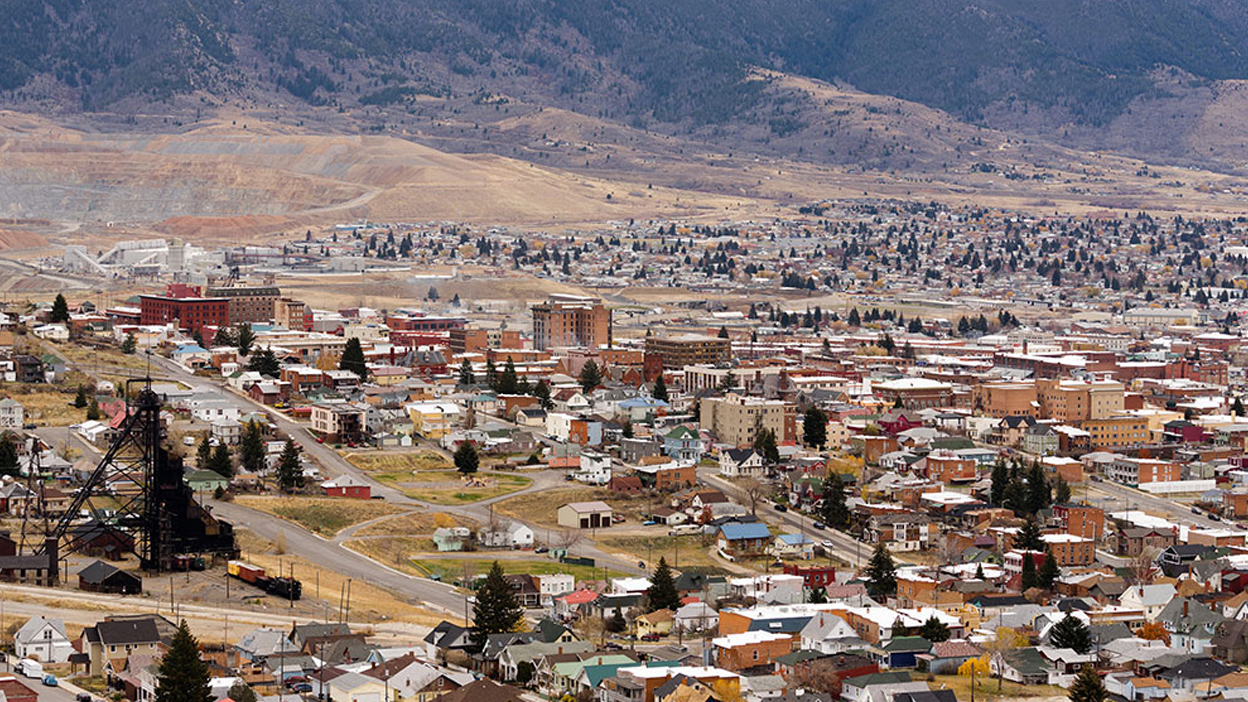
One of the most striking benefits of living in Montana is the access to wide open natural landscapes. The state boasts about 100 named mountain ranges that form part of the Rocky Mountain Continental Divide. These dramatic mountain vistas are never far away, creating daily reminders of nature’s scale and beauty.
For many, the proximity to such rugged terrain defines their lifestyle. Outdoor recreation—from hiking and skiing to fishing and hunting—is often woven into daily routines. In Montana, time spent outside is not just occasional but a continuous thread through the seasons. The landscape invites a connection to the land that few urban environments can offer.
Climate Benefits in Western Valleys
The western valleys, nestled among these mountains, offer a distinct climate advantage. Winters here tend to be milder, summers cooler, and the winds less persistent. This translates to a longer growing season and more comfortable conditions for engaging in outdoor activities throughout much of the year.
Living in Montana west of the Continental Divide often means a lifestyle intertwined with nature’s seasonal rhythms. Spring offers early signs of greenery and agricultural renewal, while summers are marked by extended daylight and inviting temperature ranges. Fall brings vivid color changes and a cultural slow-down before winter’s quieter, yet milder, embrace arrives.
A Slower, More Deliberate Pace
Especially outside of the larger towns, Montana’s pace of life often slows. The rural mountain states are known for a rhythm tied to agricultural cycles, weather patterns, and western heritage. Days might be marked by sunrise chores, community events that gather neighbors, or afternoons spent outdoors.
This slower tempo creates a different kind of social dynamic. Community ties often run deep, strengthened by shared values derived from the land and its challenges. Small towns and remote settlements foster a sense of belonging and mutual support that can feel grounding.
Cultural Traditions Rooted in Place
The state’s cultural identity is closely tied to its western and rural roots. Rodeos, local fairs, and community celebrations reflect traditions passed down through generations that highlight self-reliance, connection to the outdoors, and a deep appreciation for the state’s landscapes.
Transportation decisions mirror these choices. Dependable vehicles suited to mountain roads or long commutes are a necessity, together with reliance on community networks for support, especially during harsh weather.
Continuous Adaptation as Routine
Adaptation is ongoing. Changes in weather, snowpack, or road conditions mean schedules shift—sometimes abruptly. This variability impacts everything from school commutes to business operation hours.
Social interaction patterns evolve accordingly. Small towns may show strong face-to-face connections, reinforced by shared experience of regional conditions. Urban centers provide convenience but can lack the natural solitude and slower pace found elsewhere.
Who Is Likely to Enjoy Living Here?
Outdoor Enthusiasts and Seasonal Adapters
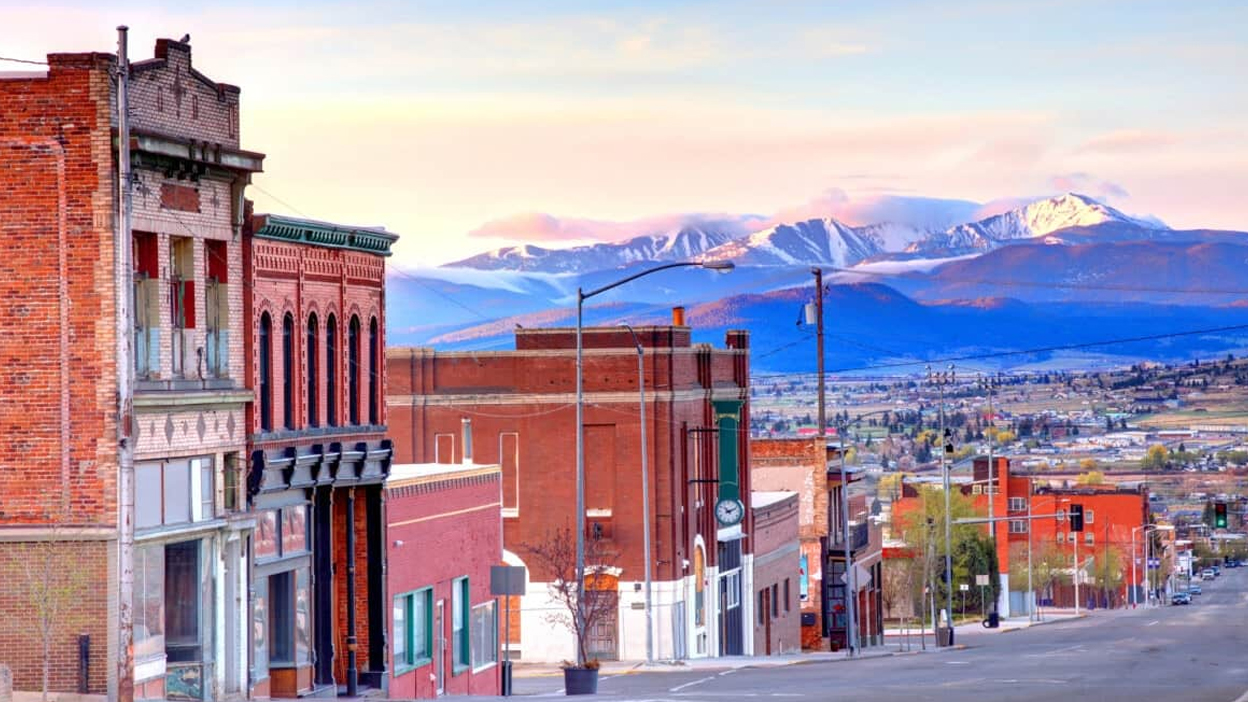
People drawn to an active outdoor lifestyle often thrive in Montana. Those who embrace mountainous terrain, wide seasonal temperature swings, and engage with the natural environment find daily life fulfilling here.
Winter’s long cold and summer’s warmth become part of the year’s rhythm rather than an inconvenience. The variation prevents monotony and deepens appreciation of nature’s cycles.
Climate and Landscape Compatibility
Those comfortable with or attracted to the wide climate variation—from western valleys with long growing seasons to the arid eastern plains—find life rewarding. The state’s microclimates and elevations offer variety that suits many preferences.
Value Tradition and Community
Many who appreciate western and rural cultural traditions gravitate here. A slower pace and routines shaped by nature and local heritage appeal to those seeking connection to place and community.
Independence Paired with Community
Montana suits individuals who enjoy blending independence with community bonds. Whether in isolated mountain hamlets or connected small towns, residents find ways to combine solitude with social ties that respect seasonal and geographic realities.
Who Might Feel Frustrated Living Here?
Preferences for Urban Convenience and Mild Climate
Those expecting constant urban conveniences, dense service networks, or stable mild weather year-round may find Montana frustrating. The state’s dispersed infrastructure and climate extremes pose challenges for daily life rhythms accustomed to more moderated conditions.
Intolerance of Travel Distances and Seasonal Extremes
Individuals uncomfortable with lengthy travel for services or those overwhelmed by long winters or hot summers may find life here difficult. Availability of resources often requires planning that conflicts with spontaneous or convenience-oriented lifestyles.
Potential Isolation and Service Gaps
For those prioritizing close access to healthcare, shopping, or social venues, Montana’s rural expanses and mountainous settlements can feel isolating. This is not a shortcoming but a fundamental feature of this vast environment.
Conclusion
The pros and cons of living in Montana reveal a complex interplay between breathtaking geography and natural beauty balanced against challenging climate extremes and infrastructure limits. Daily life here is molded by the state’s immense scale, the Continental Divide’s climatic division, and the cultural rhythms born from western and rural traditions.
As you consider Montana, think deeply about how your personal preferences, routines, and tolerance for environmental variation align with this diverse reality. Montana’s lifestyle is as much about embracing solitude and wide-open spaces as adapting to seasonal shifts and community connections.
Ultimately, the experience of living in Montana is not uniform but richly textured by where you settle—a landscape of contrasts that shape every day in distinct ways.