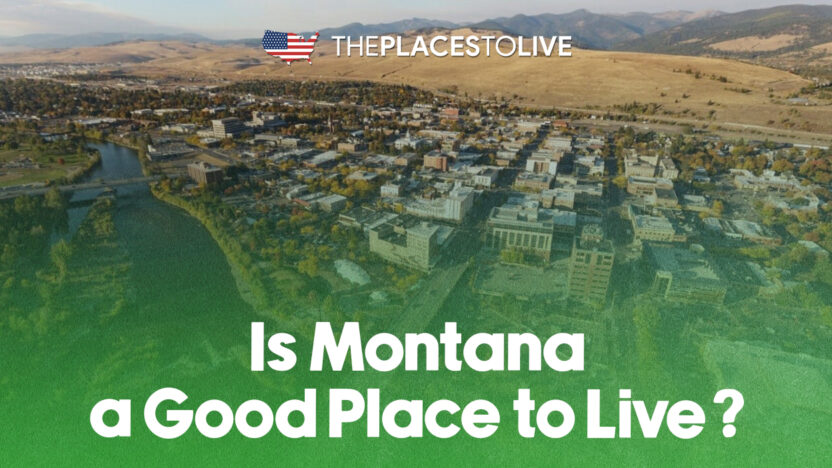
When people ask, is Montana a good place to live? the answer is never straightforward. Whether Montana aligns with your way of life depends largely on your personal values, pace preferences, tolerance for rural isolation, and how much the outdoors plays a role in your daily rhythms. The Montana lifestyle is a particular kind of living shaped more by vast open spaces, slower tempos, and a strong connection to nature than by urban convenience or numerical rankings.
This article approaches the question from the viewpoint of real-life experience. Instead of debating whether Montana is objectively “good” or “bad,” it aims to outline who tends to find the Montana lifestyle comfortable and who may face challenges. By focusing on the lived impressions and patterns of living in Montana, the following sections offer a grounded perspective on what life generally feels like across this expansive state.
What Living in Montana Generally Feels Like
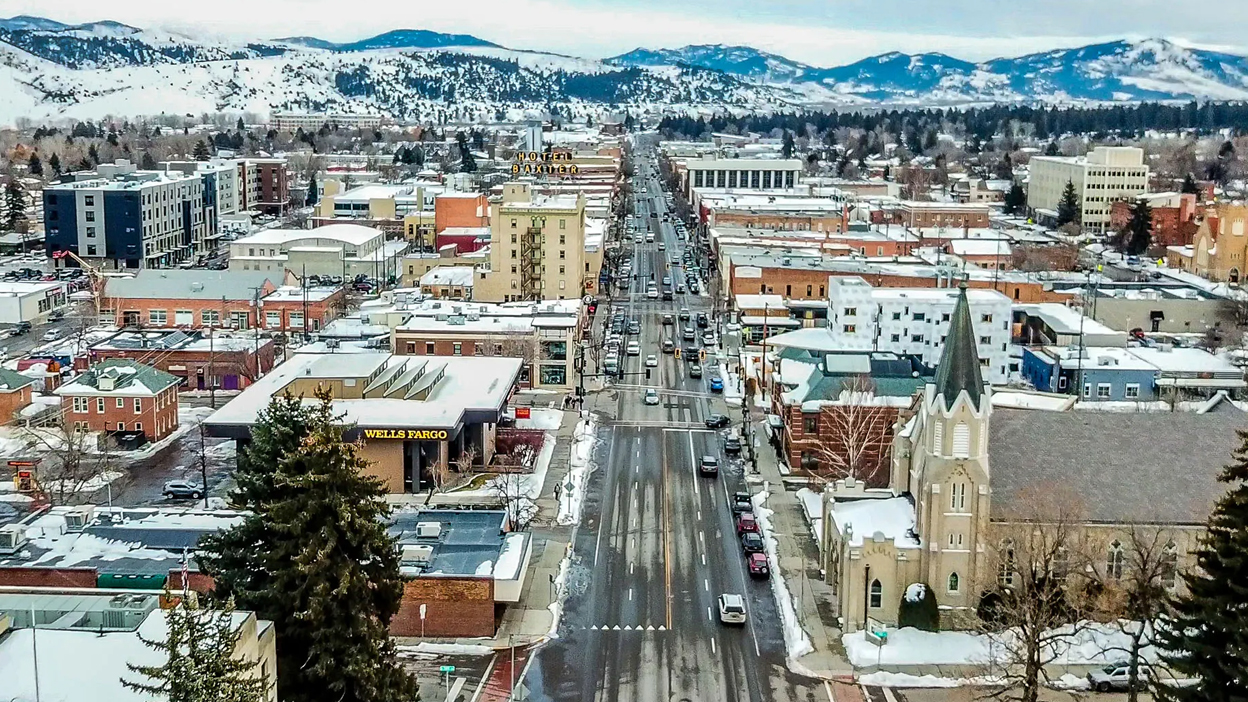
At its core, living in Montana means adjusting to a slower, more deliberate pace of life. The state is defined by its rural expanses and the vast distances between towns and communities. Many residents experience daily routines influenced less by clock-bound schedules and more by natural and seasonal rhythms.
The Montana lifestyle reflects a landscape where open space and quiet are constants. Summers bring bursts of activity with tourism and outdoor sports, while winters can shift life into a quieter, insulated mode. These seasonal changes contribute to a pattern of living more attuned to cycles of nature than the unceasing pace found in cities.
Distances matter here. It’s common for people to drive long stretches for work, errands, or social visits. This fosters a certain self-reliance and flexibility—plans can be less rigid, and social interaction may require more intentional effort. While these rhythms show some regional variation—such as slightly busier pockets near population centers—the overarching feeling across the state remains one of rural calm punctuated by seasonal flux.
Community, Culture, and Social Atmosphere
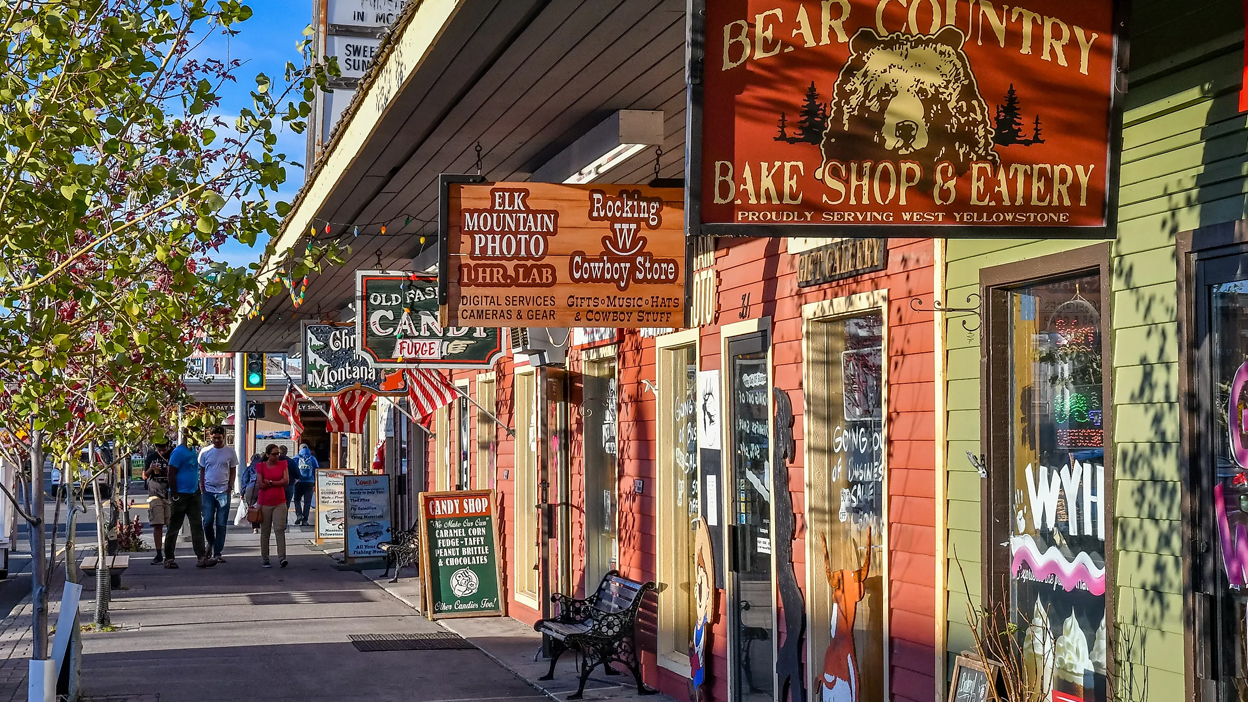
The social fabric of Montana is woven with threads of Western heritage and a modern appreciation for outdoor life. The Montana lifestyle often means living in communities that feel close-knit, but initially reserved.
Many residents find that friendliness and connections develop gradually over time rather than through quick social rounds. Respect for independence and privacy runs deep, shaping social exchanges and neighborhood dynamics. At the same time, shared interests such as hunting, fishing, hiking, and other outdoor pursuits create common ground for building relationships.
Outdoor enthusiasts—whether hunters, anglers, hikers, or nature lovers—often feel aligned with Montana’s landscape and opportunities. Similarly, individuals seeking respite from densely populated or fast-paced environments may appreciate the quieter, less crowded character of many areas.
Seasonal rhythms also attract those willing to adapt comfortably to weather extremes and fluctuating activity levels. The blend of rugged independence paired with respect for natural heritage creates a social and cultural milieu suited to people who balance self-sufficiency with communal outdoor values.
Who Might Struggle Living in Montana
Not everyone finds the Montana lifestyle a comfortable match. People accustomed to high population density, frequent social interaction, or ready access to numerous amenities often encounter challenges here.
The state’s vast distances and slower pace can feel isolating to those used to urban proximity and immediate options. Long travel times can frustrate daily needs or social plans, especially for those expecting commercially dense surroundings.
Life in Montana requires a tolerance for self-directed schedules. Those who prefer tightly structured days or rely heavily on convenience may struggle with the state’s rhythms. Seasonal weather extremes add further complexity, influencing travel, work, and recreational opportunities in ways that can feel constraining to newcomers.
Frustrations commonly arise not from Montana itself but from a mismatch between its independent, nature-centered tempo and an individual’s lifestyle preferences. This distinction shapes many relocation experiences.
Conclusion
Ultimately, deciding is Montana a good place to live? hinges on personal alignment with what the Montana lifestyle entails: valuing open space, embracing a slower, seasonal pace, and fostering self-reliance within a natural setting.
Before choosing to live in Montana, it’s important to reflect honestly on one’s appetite for rural isolation, weather extremes, and flexible, outdoor-focused rhythms. This article’s perspective offers a grounded lens on living in Montana — centered on lived patterns rather than abstract evaluations.
Montana is neither universally ideal nor unsuitable; it is a mosaic of experiences shaped by geography, climate, and culture. Fit depends on whether these elements resonate with your own values and ways of living.